How Can Vitiligo Treatment Help in Re-pigmentation?
Vitiligo is a skin condition characterized by the loss of pigment, resulting in white patches on various parts of the body. For individuals living with this condition, Vitiligo treatment in Abu Dhabi offers hope and effective solutions to manage and reduce the appearance of these patches. In this informative blog post, we will explore various treatment methods, their benefits, and how they contribute to re-pigmentation in the skin.
What is Vitiligo?
Vitiligo occurs when melanocytes, the cells responsible for skin pigmentation, are destroyed or malfunction. This leads to an uneven skin tone and can be triggered by factors such as genetics, stress, or autoimmune responses. Understanding the underlying causes of this condition is essential for effective management and treatment.
Types of Vitiligo
- Non-segmental Vitiligo - This is the most common form, affecting both sides of the body symmetrically.
- Segmental Vitiligo - This type typically appears on one side of the body and progresses more rapidly than the non-segmental form.
- Acrofacial Vitiligo - Primarily affects areas such as the face and extremities.
Recognizing the type of vitiligo is crucial for determining an appropriate treatment plan.
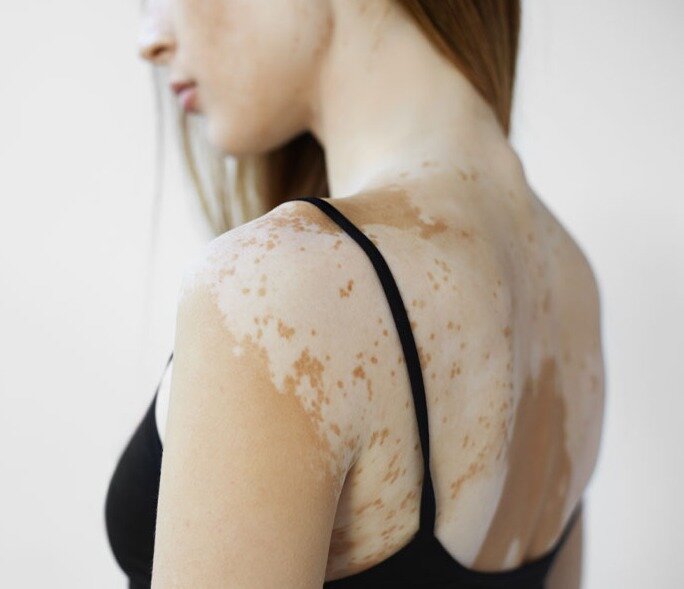
Benefits of Vitiligo Treatment
The primary goal of Vitiligo treatment in Abu Dhabi is to restore the skin's natural pigmentation and improve the overall appearance. The benefits of seeking treatment include:
- Enhanced Confidence - Many individuals experience emotional distress due to visible skin changes. Effective treatment can significantly boost self-esteem.
- Improved Skin Aesthetics - Treatments can reduce the contrast between pigmented and depigmented skin, leading to a more uniform appearance.
- Better Quality of Life - By addressing the psychosocial factors associated with vitiligo, patients may experience a more fulfilling daily life.
- Empowerment - Taking action through professional treatment gives patients a sense of control over their condition.
Common Treatment Options
There are various treatment methods available for vitiligo, each tailored to the individual's needs. Important approaches include:
1. Topical Treatments
Topical corticosteroids and calcineurin inhibitors are among the most common treatments. These medications aim to reduce inflammation and stimulate melanocyte activity.
How They Work
By applying these treatments regularly, patients can potentially slow the progression of vitiligo and encourage the repigmentation of affected areas. Topical therapies may be used alone for early-stage vitiligo or in conjunction with other methods for more extensive cases.
2. Phototherapy
Phototherapy involves the use of ultraviolet (UV) light to stimulate melanocyte function. Narrowband UVB light is frequently used for its effectiveness and minimal side effects.
Benefits of Phototherapy
Regular sessions expose the skin to controlled UV light, which can lead to significant re-pigmentation. This method is often combined with topical treatments to enhance outcomes.
3. Excimer Laser Therapy
This targeted treatment uses a high-intensity laser to focus specifically on depigmented patches. It offers precision and can yield quicker results than broader phototherapy.
Advancements in Technology
Excimer laser therapy is particularly beneficial for small or localized patches of vitiligo, making it a popular choice among patients seeking rapid repigmentation.
4. Depigmentation Therapy
For individuals with widespread vitiligo who may prefer an even skin tone over repigmentation, depigmentation therapy can be an option. It involves lightening the naturally pigmented skin to match the depigmented areas.
Balancing Choices
While this approach provides a uniform appearance, it requires careful consideration of the long-term aesthetic implications.
Complementary Therapies
In addition to traditional treatments, various complementary therapies can support overall skin health and contribute to the effectiveness of primary treatments.
1. Diet and Nutrition
A balanced diet rich in antioxidants can support skin health. Nutrients such as vitamins C and E, along with minerals like copper and zinc, play a role in skin pigmentation.
2. Psychological Support
Living with vitiligo can take a toll on mental health. Support groups or therapy can help individuals develop coping strategies and enhance self-acceptance.
3. Skin Care Routines
Using gentle, hydrating skincare products can help improve the overall texture and health of the skin, making it more receptive to treatment.
Customized Treatment Plans
It’s essential for patients to work closely with healthcare professionals to develop a customized treatment plan tailored to their specific type of vitiligo and lifestyle. A multidisciplinary approach often yields the best outcomes.
Factors Influencing Treatment Choices
- Extent of Vitiligo: Localized vs. widespread patches can determine the efficacy of various treatments.
- Patient Preference: Personal goals regarding appearance and lifestyle choices play a crucial role.
- Response to Previous Treatments: Past treatment experiences can guide future therapeutic decisions.
Ongoing Research and Developments
The field of dermatology is continuously evolving, with ongoing research into new treatments and management strategies for vitiligo. This includes exploring genetic and immunological factors in vitiligo pathogenesis.
Innovative Therapies
Researchers are examining ways to harness stem cell therapy and gene therapy to restore pigmentation. Ongoing advancements may pave the way for more effective treatments in the coming years.
Living with Vitiligo: A Holistic Approach
Managing vitiligo requires a holistic approach that extends beyond physical treatment. Emotional and psychological well-being is crucial for overall health.
Support Networks
Connecting with others who have similar experiences can be invaluable. Support groups and community resources offer emotional support and information sharing.
Beauty and Self-Care
Embracing personal beauty through make-up or fashion can empower individuals and promote self-confidence. Many cosmetic products are now formulated to blend with different skin tones, aiding in the concealment of white patches.
Frequently Asked Questions
1. What is the best treatment for vitiligo?
The best treatment for vitiligo varies from person to person. Options like topical treatments, phototherapy, and excimer laser therapy may be effective depending on the type and extent of the condition.
2. How long does it take for treatments to show results?
Results can vary based on the treatment used and individual response. Many patients may start to see improvements within a few months, especially with consistent treatment.
3. Are there any lifestyle changes that can help my condition?
Yes, a balanced diet, proper skin care routines, and stress management techniques can complement treatment efforts and improve overall skin health.
4. Is vitiligo curable?
Currently, there is no definitive cure for vitiligo, but many effective treatments can help manage the condition and promote re-pigmentation.
In conclusion, Vitiligo treatment provides various options that cater to individual needs, focusing on enhancing confidence and improving self-image. By understanding the nature of this condition and available treatments, individuals can take informed steps towards managing vitiligo, reclaiming their skin’s natural beauty, and improving their overall quality of life.
Replies