HGH for Kids: Supporting Healthy Growth and Development
What is HGH therapy, and how does it benefit children?
HGH therapy involves medically supervised treatment designed to supplement or stimulate the body’s natural production of human growth hormone. This hormone plays a critical role in bone growth, muscle development, and overall metabolism, making it essential for children experiencing growth delays. HGH for kids has been shown to improve height progression, strengthen muscles, and boost energy levels. Clinical observations indicate that children who receive early and consistent therapy often achieve measurable growth improvements, aligning their physical development more closely with age-appropriate norms.
Who can benefit most from HGH therapy?
Children with growth hormone deficiency, idiopathic short stature, Turner syndrome, or chronic kidney disease are typically the primary candidates. Pediatric endocrinologists conduct thorough assessments of growth charts, hormone levels, and overall health to determine suitability. Data from clinical studies suggest that initiating therapy at younger ages tends to yield more pronounced results, both in terms of height and overall physical well-being. Early intervention allows children to experience faster growth rates and reach their developmental milestones more reliably.
How is HGH therapy administered?
HGH therapy is generally administered via daily subcutaneous injections. Each dose is customized according to the child’s age, weight, and growth objectives, ensuring safety and effectiveness. Modern delivery devices are designed to minimize discomfort and simplify administration for families. Regular monitoring by medical professionals ensures that therapy remains effective and adjusts dosages as needed. Observational statistics show that children who follow their prescribed regimen closely experience higher rates of successful growth outcomes.
What physical improvements are typically observed?
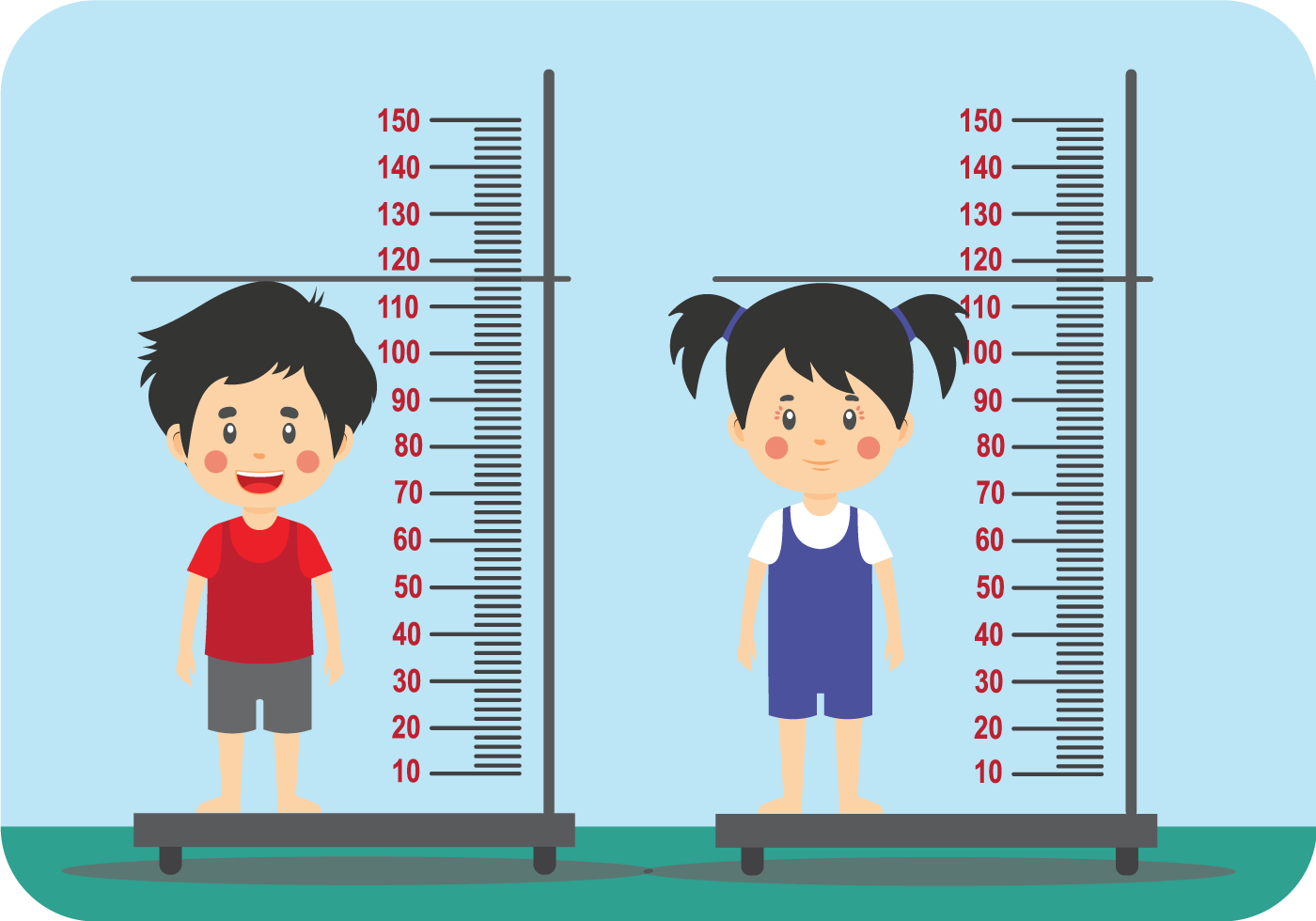
Children undergoing HGH therapy often experience accelerated height growth within the first year. Beyond height, therapy can also enhance muscle mass, improve bone density, and increase overall energy levels. These physical changes support participation in sports, school activities, and everyday play, fostering confidence and a sense of normalcy. Aligning growth with peers has also been shown to positively affect emotional and social well-being, helping children feel more comfortable and self-assured in their daily lives.
Are there risks associated with HGH therapy?
When supervised by qualified pediatric specialists, HGH therapy is considered safe. Minor side effects such as temporary injection site irritation or slight fluid retention can occasionally occur, but these are generally short-lived. Regular monitoring of growth patterns, hormone levels, and overall health ensures therapy remains safe and effective. Open communication between parents and healthcare providers helps address any concerns promptly, maintaining a positive experience for children and their families.
How long does HGH therapy typically last?
The duration of therapy varies depending on the child’s growth response, age, and underlying medical condition. Periodic evaluations allow endocrinologists to determine the optimal length of treatment. Many children continue therapy until they reach their target height or until natural hormone production stabilizes. Research shows that adherence to the prescribed schedule significantly improves growth outcomes and overall effectiveness.
Can HGH therapy enhance a child’s overall quality of life?
Yes. Children who respond well to therapy often exhibit higher energy levels, improved stamina, and increased participation in social and physical activities. Height improvements can enhance self-esteem and peer relationships, contributing to better emotional well-being. Families frequently report greater satisfaction with their child’s overall health and happiness, noting both physical and psychological benefits from the therapy.
What should parents consider before starting therapy?
Parents should consult a pediatric endocrinologist to evaluate growth patterns, hormone levels, and general health. A comprehensive assessment ensures that HGH therapy is appropriate and personalized. Understanding the treatment plan, expected outcomes, and monitoring schedule allows families to create a supportive environment that encourages adherence and maximizes benefits.
Conclusion
HGH for kids offers a scientifically supported, safe, and effective approach to addressing growth challenges. By promoting height progression, improving muscle tone, and enhancing energy levels, therapy provides children with both physical and emotional benefits. With professional supervision, consistent monitoring, and adherence to treatment, children can achieve their full growth potential while gaining confidence, vitality, and a foundation for long-term health. Families can be reassured that HGH therapy offers a positive, evidence-based pathway to balanced and healthy development.
Replies