Get Rid of Lipomas - Expert Advice Inside
Lipomas, the benign tumors composed of fat cells, can be more than just a cosmetic concern for many individuals. While they are usually harmless, their presence can lead to discomfort and self-esteem issues. For those residing in Abu Dhabi, the quest to remove these growths can sometimes be overwhelming. This guide aims to provide expert advice on understanding, managing, and eliminating lipomas effectively in Abu Dhabi, making it easier for you to find the best Lipoma Treatment in Abu Dhabi for your needs.
Understanding Lipomas: What Are They?
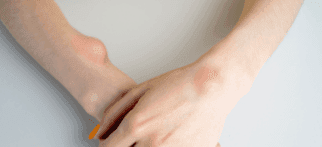
Lipomas are soft, movable lumps of fat that develop just beneath the skin. They are generally painless and slow-growing, making them a common skin condition. While lipomas typically occur in adults, they may also be found in children, although it's less common. Knowing more about lipomas can empower individuals to make informed decisions regarding their treatment.
Causes of Lipomas
The precise cause of lipomas remains unclear, but several factors may contribute to their development, including:
- Genetic Predisposition: A family history of lipomas can increase the likelihood of developing them.
- Age: Most lipomas appear in middle adulthood, but they can occur at any age.
- Lifestyle Factors: While no direct correlation has been established, obesity may increase the likelihood of lipoma formation.
Symptoms and Diagnosis
Lipomas are generally easily identifiable because of their distinct characteristics:
- Soft and Mobile: They feel soft to touch and are movable under the skin.
- Slow Growth: They grow slowly over time, often remaining unchanged for years.
- Painless: Most lipomas do not cause pain unless they press against nerves or other structures.
If you suspect you have a lipoma, a healthcare provider, usually a dermatologist, can diagnose it through a physical examination. In some cases, imaging tests such as ultrasounds or MRIs may be required to confirm the diagnosis.
Treatment Options for Lipomas in Abu Dhabi
While treatment of lipomas is not always necessary unless they cause pain or discomfort, various options are available for those looking to eliminate them in Abu Dhabi.
1. Surgical Removal
Surgical excision is the most common and effective method for removing lipomas. The procedure usually involves:
- Local Anesthesia: The area is numbed for patient comfort during the procedure.
- Removal of Lipoma: The surgeon makes an incision and removes the lipoma completely.
- Minimal Recovery Time: Patients typically recover within a few days and can usually return to normal activities almost immediately.
2. Liposuction
For patients who prefer less invasive procedures, liposuction is an option. This method involves:
- Small Incisions: Tiny incisions are made to insert a thin tube to aspirate (suck out) the fat.
- Less Scarring: The recovery period is usually shorter with minimal scarring.
3. Non-Surgical Treatments
Recent advancements have introduced non-surgical methods for lipoma treatment such as:
- Corticosteroid Injections: These may shrink the size of the lipoma but do not typically remove it.
- Injectable Treatments: New non-surgical injectable treatments may help reduce lipoma size, but results vary.
It is essential to consult a qualified healthcare provider in Abu Dhabi to determine the best course of action based on the lipoma's size, location, and potential discomfort.
Expert Tips for Lipoma Management
1. Regular Check-ups
Visit a dermatologist in Abu Dhabi regularly to monitor any changes in your lipomas or any new growths. Early detection can help in timely intervention.
2. Maintain a Healthy Lifestyle
While there’s no direct link between diet and lipoma formation, maintaining a healthy lifestyle can contribute to overall well-being.
3. Avoid Self-Removal
Attempting to remove a lipoma yourself can lead to complications such as infections or scarring. It is advisable to seek professional medical advice.
In conclusion, living with lipomas can impact your quality of life, but professional treatment options are available in Abu Dhabi. Understanding your options and seeking appropriate care can empower you to take control of your health and well-being. Always consult with a qualified healthcare provider to ensure the best strategies for lipoma management tailored to your specific needs.
Replies