Everything You Should Know About Contraception
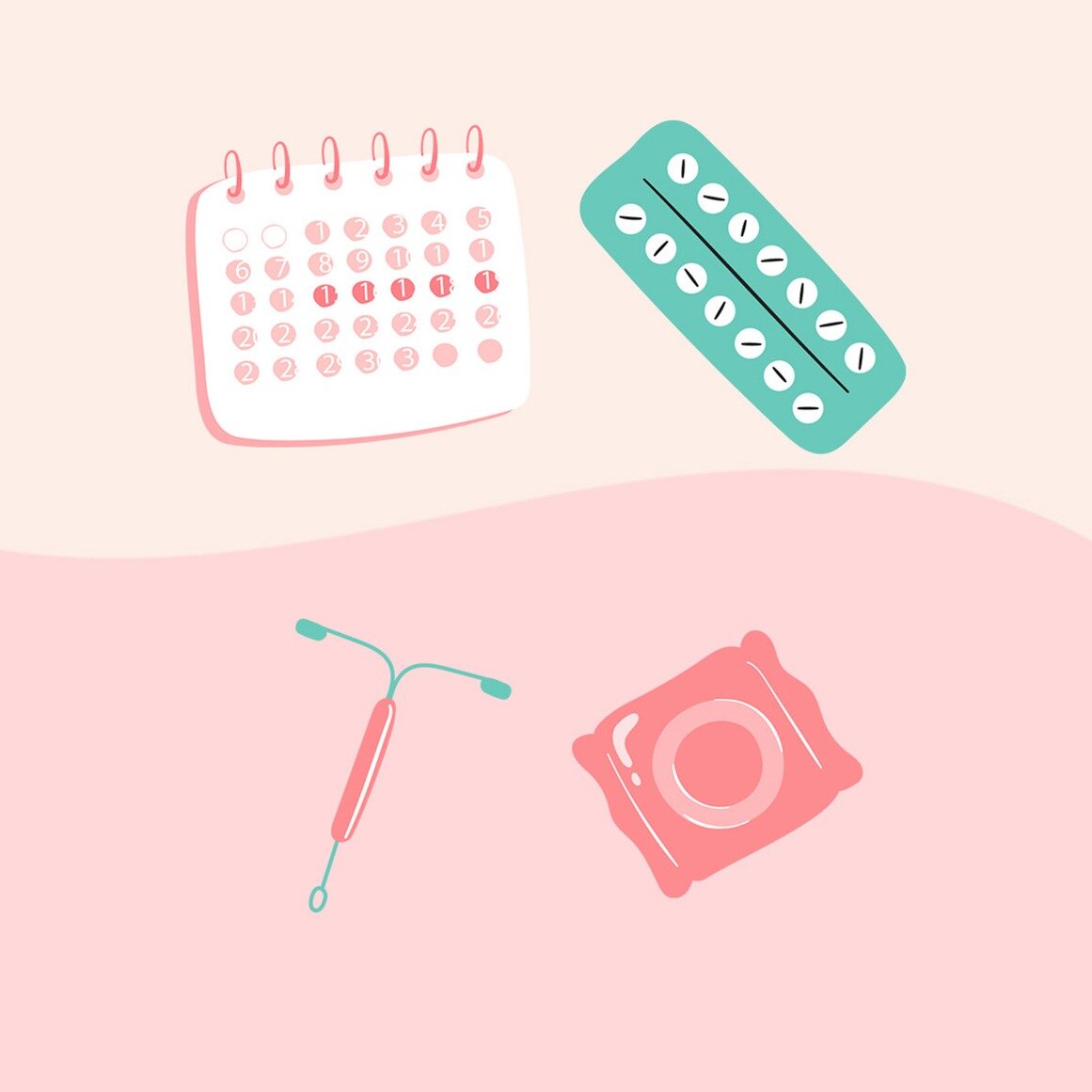
Contraception is the conscious use of various ways to prevent conception. It is an important aspect of family planning and reproductive health because it gives people control over their bodies and their lives. Contraception has come a long way over the past few decades, with various effective and safe options currently accessible. In this article, we will cover everything you should know about contraception.
Types of contraception
There are numerous forms of contraception, which are essentially classified as hormonal and non-hormonal methods. Hormonal methods of birth control include the pill, patch, ring, injection, implant, and hormonal intrauterine device (IUD). Synthetic hormones are used to suppress ovulation, thicken cervical mucus, and thin the uterine lining. Hormonal contraceptives are very effective and easy, with added benefits like controlling menstrual cycles and lowering the risk of some malignancies.
Male and female condoms, diaphragm, cervical cap, copper IUD, and fertility awareness-based methods (FABMs) are examples of non-hormonal methods. Non-hormonal methods block sperm from reaching an egg, kill or immobilize sperm, or prevent fertilization. They are typically harmless and have no negative hormonal consequences.
Choosing the right contraception
The best method of contraception is determined by a variety of criteria, including age, health status, lifestyle, and personal preferences. It is important to visit with a healthcare expert to explore your options and choose the best strategy for you.
Take these factors into consideration before choosing a method of contraception:
- Effectiveness: Every method of contraception has a failure rate, which is the percentage of women who become pregnant when using the method correctly. Hormonal IUDs, implants, and sterilization procedures are the most successful, with a failure rate of fewer than 1%.
- Convenience: Certain methods must be used on a daily, weekly, or monthly basis, but others must be inserted or placed by a healthcare practitioner. While deciding on a method, keep your lifestyle and schedule in mind.
- Side effects: Hormone treatments might cause nausea, migraines, mood changes, and weight gain. Non-hormonal techniques, such as a copper IUD, might result in heavier periods and cramps.
- Cost: The cost of contraception varies based on the technique and insurance coverage. Certain methods, like condoms and FABMs, are inexpensive and generally available, but others, like implants and sterilization, may be more costly.
Sexually transmitted infections
Most types of contraception don’t protect against sexually transmitted diseases (STDs), including HIV. To reduce your chance of getting STIs, use a barrier method like condoms (male or female), practice mutual monogamy, and get tested on a regular basis.
Emergency contraception
The term "emergency contraception" (EC) refers to a method of preventing pregnancy after unprotected intercourse or contraceptive failure. The copper IUD and the emergency contraceptive pill (ECP) are the two forms of EC.
The copper IUD is the most effective type of EC and can be implanted up to five days after unprotected intercourse. The ECP, often known as the morning-after pill, is available over the counter in most pharmacies and should be taken within 72 hours of unprotected sex.
Fertility awareness-based methods
Fertility awareness-based methods (FABMs) include monitoring your menstrual cycle to estimate when you are most fertile and avoiding sex or using a barrier method during that period. FABMs include the basal body temperature technique, the cervical mucus method, and the calendar method. FABMs take more dedication, knowledge, and constant monitoring than other approaches and have a greater failure rate.
Sterilization
Sterilization is a permanent type of contraception in which the fallopian tubes in women or the vas deferens in men are blocked or removed to prevent sperm from reaching the egg. Tubal ligation and vasectomy seem to be very successful sterilization treatments with a low failure rate. Nonetheless, they should be understood as irreversible solutions, and people should be certain that they don't want to have children in the future before performing the surgery.
Access to contraception
People should have access to contraception in order to make educated decisions regarding their reproductive health. Yet, due to reasons such as cost, a lack of doctors, and religious or cultural opposition, access to contraception may be limited in some locations. Governments and healthcare organizations should concentrate efforts to enhance contraceptive access, especially in low-income and rural communities.
Replies