Dr Dipak Nandi: Telemedicine Trends To Watch Out For!
The growth of concepts with constant innovation in medical science has paved the way for the development of the telemedicine possibility. Providing spontaneous patient care by using relevant information technology and telecommunication is one of the biggest assets in the healthcare space.
- Only sometime before, telemedicine was used as an ingredient to treat patients that are remotely placed, do not have the right amenities and lack the access to healthcare facilities at large. But, in today’s medical world, to achieve interconnected value-based care in the ideal sense, telemedicine provides the desired convenience.
- Telemedicine’s use is not limited to overcoming geographic barriers and improving access to medical care. Treating minor yet urgent conditions by reducing the patient wait times is a major contribution of the telehealth segment.
- There are several benefits for the healthcare providers like increased revenue, fewer cancellations and missed appointments, treating more patients in less time, better follow up with patients and improved health outcomes.
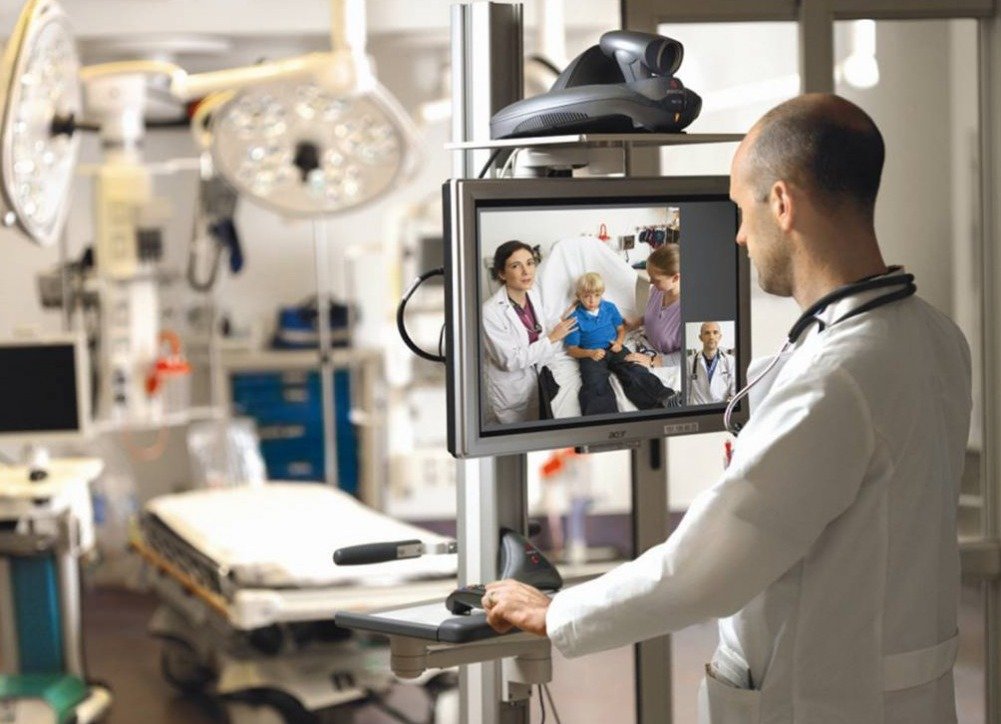
For the patients, the advantages are the reduction of travel expenses and time spent on waiting for the appointments, lesser interference with elder care or child care, reduced medical expenses help in providing more value to the patients, extended access to medical consultations with the specialist doctors.
Prominent drivers and restraints in telemedicine market through 2017-18
Mordor Intelligence predicts the global telemedicine market to be worth $66 billion by the year 2021. But, there’s more to it!
- Patient data collection helps in identification of the risks and provides the visibility to the physicians for best possible treatment recommendations. Remote patient monitoring devices help in tracking patient information, helping healthcare professionals monitor their patients thoroughly.
- It has been an estimation that almost 65% of the interaction taking place with the healthcare provider will be initiated with mobiles by the end of 2018. A report by research2guidance states that almost 80% of the doctors have already incorporated telemedicine into their practice and heavily rely on smartphones as well as applications for their practices.
Data security has gained prime significance with the information being collected from the patients. There are different methods to improve the data security for the telemedicine story. One of them will be, encrypting the data on the portable devices, penetrative testing of the information technology systems as well as carrying out the vulnerability assessments, at least once a year HIPAA compliance check up to reduce loopholes that can cause security risks.
It doesn’t need a statement to say that telemedicine offers huge saver of time and simultaneously offer cost-effective treatment methods. An increase of the aging population, chronic diseases has fueled the growth of telemedicine.
Replies