Depression can be either situational or clinical. Situational depression is related to major stressors or life-changing events. The symptoms are noticeable and uncomfortable, but not significant enough to interfere with a person's ability to function normally. They usually appear within a couple of months of the stressor and resolve within six months. Situational depression improves over time and often doesn't require treatment. One can have situational depression and not feel depressed or down, even though other symptoms are present.
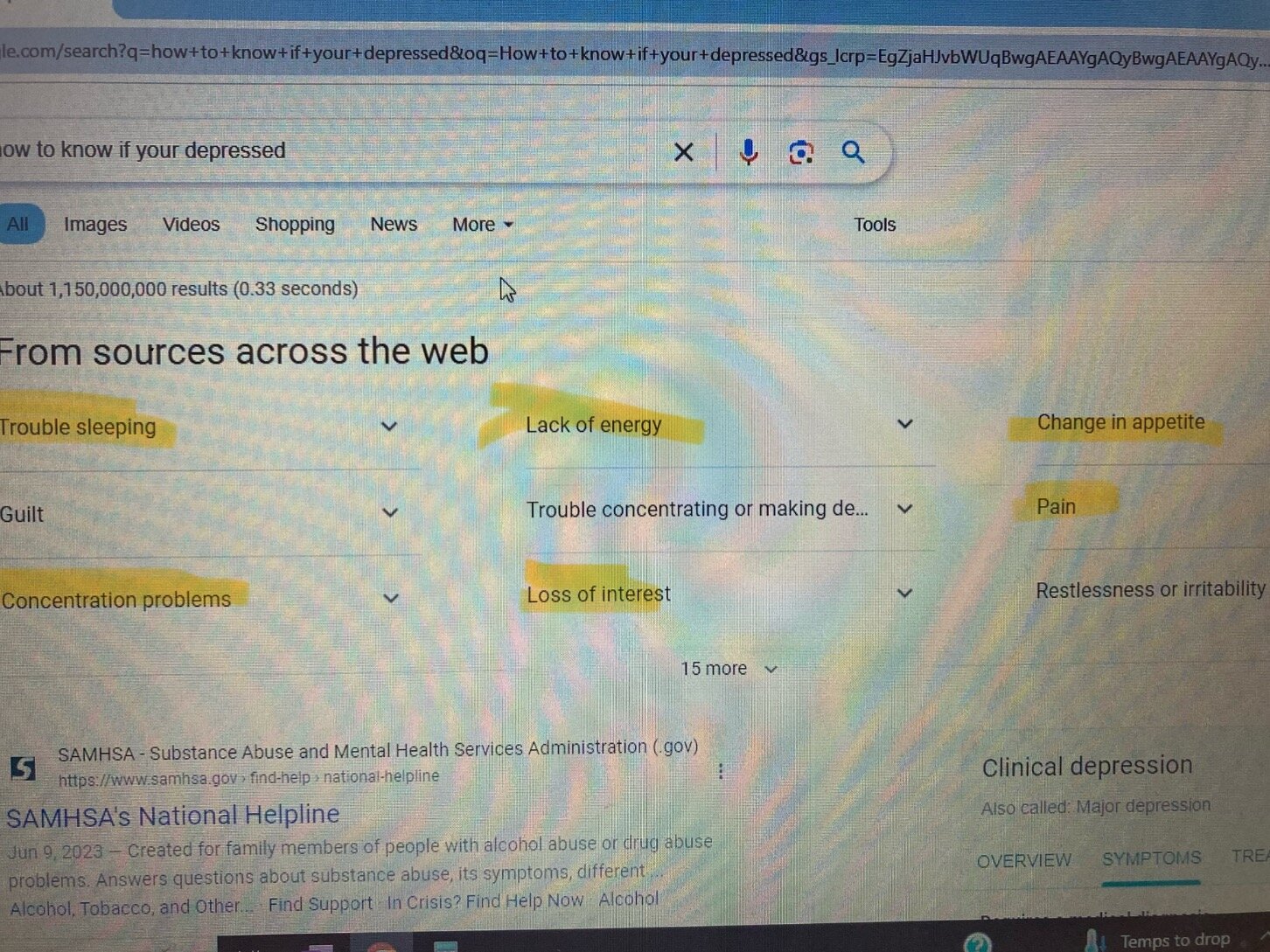
Clinical depression is severe enough to interfere with daily functioning. It is thought to be caused by a disturbance in the levels of neurotransmitters in the brain (serotonin, for example), although genetic factors and major life events can play a role. To be considered clinically depressed, a person must have five or more of the symptoms listed in the DSM-5 (what mental health professionals use to diagnose their patients), and these symptoms must have lasted for two weeks or longer. In addition to what you found via Google, the symptoms of clinical depression include a depressed mood and recurrent thoughts of death or suicide.
You definitely have been dealing with stressors, including your family's financial situation, friction among your family members, and the recent anniversary of your friend's passing. Chances are, any depression you may have is situational. However, you might ask yourself how long you've been having the symptoms and whether they are negatively impacting your life. If you find your symptoms worsening over time, consider talking with your parents or someone you trust about how you are feeling, so they can assist you in getting any help you may need. Hugs.
Replies
You might be slightly depressed. It could be from everything going on lately.
Alr. Well, now I know.
Depression can be either situational or clinical. Situational depression is related to major stressors or life-changing events. The symptoms are noticeable and uncomfortable, but not significant enough to interfere with a person's ability to function normally. They usually appear within a couple of months of the stressor and resolve within six months. Situational depression improves over time and often doesn't require treatment. One can have situational depression and not feel depressed or down, even though other symptoms are present.
Clinical depression is severe enough to interfere with daily functioning. It is thought to be caused by a disturbance in the levels of neurotransmitters in the brain (serotonin, for example), although genetic factors and major life events can play a role. To be considered clinically depressed, a person must have five or more of the symptoms listed in the DSM-5 (what mental health professionals use to diagnose their patients), and these symptoms must have lasted for two weeks or longer. In addition to what you found via Google, the symptoms of clinical depression include a depressed mood and recurrent thoughts of death or suicide.
You definitely have been dealing with stressors, including your family's financial situation, friction among your family members, and the recent anniversary of your friend's passing. Chances are, any depression you may have is situational. However, you might ask yourself how long you've been having the symptoms and whether they are negatively impacting your life. If you find your symptoms worsening over time, consider talking with your parents or someone you trust about how you are feeling, so they can assist you in getting any help you may need. Hugs.
I will def find someone to talk to about it.
Hope things get better for you.
Thank you. Same