Debunking 7 Myths About Dental Bridges
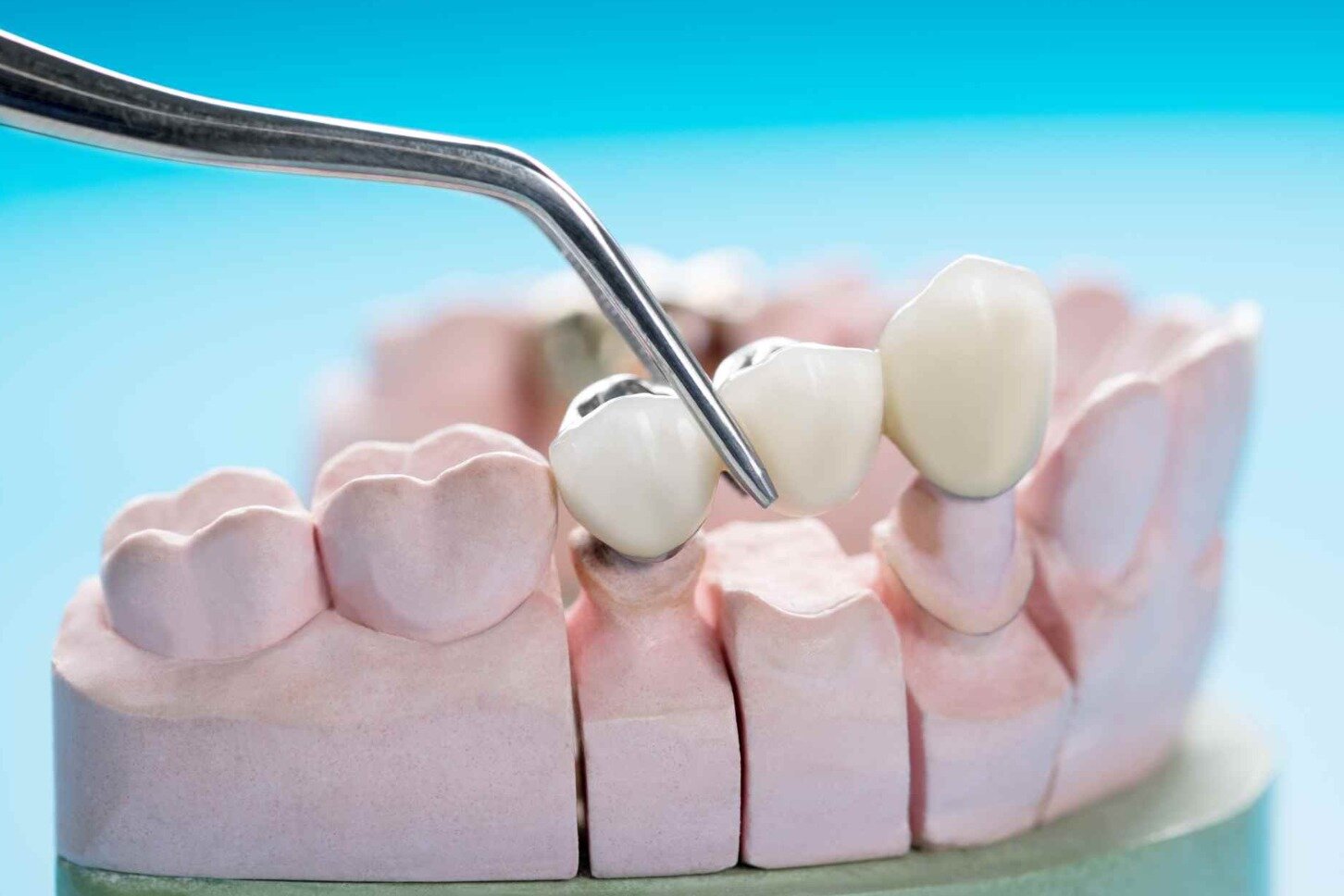
Dental bridges have long been regarded as an effective way of replacing missing teeth and restoring smiles. However, like many medical procedures, they are often covered in various myths and misconceptions. These misconceptions can cause unwarranted anxiety and confusion in people who are thinking about dental bridges as a solution to their dental problems. In this article, we will debunk seven common myths about dental bridges, shedding light on the truth behind this effective dental treatment.
Myth 1: Dental bridges are painful
One of the most popular myths about dental bridges is that they are painful to attach. In reality, the process is typically painless. Dentists generally employ local anesthetic to numb the area before starting the procedure, assuring the patient's comfort throughout. There may be some slight discomfort when the anesthetic wears off, but this may be controlled with over-the-counter pain medications. Any discomfort is likely to be short-term and significantly less terrible than living with missing teeth.
Myth 2: Dental bridges are unnatural-looking
Some people think that dental bridges provide a fake or phony appearance. But the truth is that modern dental technology has gone a long way to creating natural-looking dental bridges. Dentists thoroughly match the color and shape of the replacement teeth to the color and shape of the patient's natural teeth, ensuring a seamless and natural look. The majority of people will be unable to recognize the difference between a dental bridge and their natural teeth.
Myth 3: Dental bridges are only for seniors
Another common myth is that dental bridges can only be used by elderly people. While missing teeth are becoming more common with age, dental bridges are a practical treatment for people of all ages who have lost one or more teeth due to a variety of factors such as accidents, disease, or congenital disorders. Dental bridges can help you restore your smile and confidence, whether you're a young adult or an elderly person.
Myth 4: Dental bridges are too expensive
When it comes to dental bridges, many people are concerned about the cost. While dental bridges do need an investment, they are not extremely costly. Additionally, many dental insurance policies cover a portion of the cost of dental bridges, making them affordable to a broader range of patients. Moreover, the long-term advantages of dental bridges, including enhanced oral health and self-confidence, frequently exceed the initial expense.
Myth 5: Dental bridges are fragile
Contrary to popular belief, dental bridges are intended to be strong and sturdy. Porcelain, which has been appreciated for its strength and durability, is commonly used to make dental bridges. A well-made dental bridge may last for many years with proper care and maintenance. It is critical to avoid biting down on extremely hard objects, but this precaution also applies to natural teeth.
Myth 6: Dental bridges are high-maintenance
Some people think that maintaining dental bridges takes an enormous amount of time and effort. In reality, dental bridges require minimal maintenance. Brushing and flossing on a regular basis are typically enough to maintain your dental bridge in its best condition. Dentists may prescribe floss threaders or brushes to help in cleaning around and beneath the bridge. Regular dental check-ups are necessary to keep the bridge in good condition, but the type of care is no more demanding than that required for natural teeth.
Myth 7: Dental bridges cause speech problems
Another common myth is that dental bridges can result in slurring or trouble speaking. In fact, dental bridges are intended to fit comfortably in the mouth, and most patients adjust to them without experiencing any speech difficulties. Dentists carefully examine the fit of the bridge to ensure that it doesn't interfere with speaking patterns. If there are problems at first, they are typically temporary and may be solved with practice and modification.
The bottom line
Dental bridges are a tried-and-true method of replacing missing teeth, and they have advanced greatly over time to produce natural-looking and comfortable outcomes. Dispelling these seven common dental bridge misconceptions can help people make more educated decisions regarding their oral health. If you're considering getting a dental bridge, talk to your dentist about whether it's the best option. Remember that a restored smile and better oral health advantages are well worth paying for.
Replies