Combining Dry Needling with Physical Therapy: A Holistic Approach
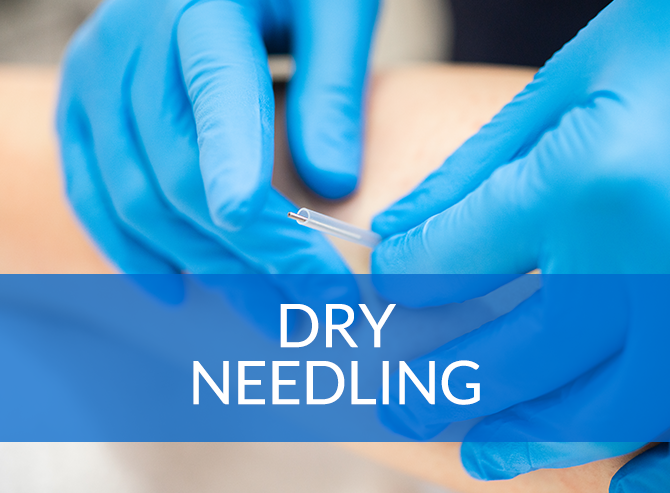
Dry Needling has gained significant attention in recent years as a targeted treatment technique for musculoskeletal pain and dysfunction. When paired with traditional physical therapy, the combination presents a powerful and holistic approach to healing, offering relief and long-term benefits to patients. Dry Needling involves inserting fine, sterile needles into specific trigger points within muscles, aiming to release tension, reduce pain, and improve mobility. When combined thoughtfully with physical therapy, the two therapies can amplify each other's effects, leading to more efficient and lasting results for individuals suffering from chronic pain, injury, or muscle tightness.
Understanding the Principles Behind Dry Needling
Dry Needling is grounded in modern Western medical principles and focuses on treating myofascial trigger points. These are hyperirritable spots within skeletal muscle that often contribute to pain, limited range of motion, and muscular dysfunction. The goal of Dry Needling is to stimulate these points, causing a twitch response that resets muscle fibers and restores normal function. Unlike acupuncture, which is based on traditional Chinese medicine, Dry Needling is a clinical procedure backed by anatomical and physiological research. Its increasing use in rehabilitation is due to its precise impact on muscle tension and its ability to accelerate recovery.
The Role of Physical Therapy in Recovery
Physical therapy aims to restore, maintain, and improve physical function and mobility through movement, exercise, and manual techniques. It is highly personalized, addressing each patient’s unique injuries, postural issues, or chronic conditions. Therapists use assessments to develop individualized treatment plans that may include stretching, strengthening exercises, balance training, and manual therapy. Physical therapy addresses not just the site of pain but the root causes behind it, often related to movement dysfunction, joint stiffness, or poor posture. This makes it an essential foundation for long-term recovery and health.
How Dry Needling Enhances Physical Therapy Outcomes
Dry Needling and physical therapy complement each other in multiple ways. While Dry Needling helps reduce muscle tension, pain, and inflammation quickly, physical therapy reinforces these gains through functional movement and strength training. For example, a patient with chronic back pain may benefit from Dry Needling to release tight lumbar muscles. Once muscle tension is alleviated, physical therapy can focus on restoring spinal mobility, core strength, and postural alignment. The reduced pain from Dry Needling can also improve participation in physical therapy, allowing patients to move more freely and perform exercises with greater ease and confidence.
Addressing Chronic and Complex Conditions
Patients with chronic pain conditions such as fibromyalgia, myofascial pain syndrome, or postural dysfunction often benefit most from this combined approach. These conditions are typically multifactorial and may not respond well to a single treatment method. Dry Needling offers a direct intervention at the muscular level, while physical therapy addresses the broader biomechanical and neurological patterns. The combination offers an integrated solution for pain reduction, movement correction, and lifestyle change. This holistic framework increases the likelihood of long-term improvement and functional independence.
Tailoring Treatment for Individual Needs
A successful integration of Dry Needling and physical therapy requires careful assessment and planning by a licensed healthcare professional. Each patient's goals, symptoms, and medical history must be considered when designing a treatment plan. In some cases, Dry Needling may be introduced early to manage acute pain. In others, it may be used later in the rehabilitation process to address persistent muscular tightness or trigger points that limit progress. The flexible nature of this combination allows therapists to adapt treatments as the patient's condition evolves.
Conclusion: A Synergistic Path to Recovery
Combining Dry Needling with physical therapy provides a well-rounded, evidence-informed pathway to healing. It bridges the gap between symptom relief and functional restoration, making it a preferred strategy for clinicians and patients alike. As more research supports the benefits of this integration, it continues to emerge as a trusted and effective approach for managing both acute and chronic musculoskeletal issues. With personalized care and the right balance of techniques, patients can experience accelerated recovery, improved function, and a better quality of life.
Replies