Chronic Pain and Its Impact on Life
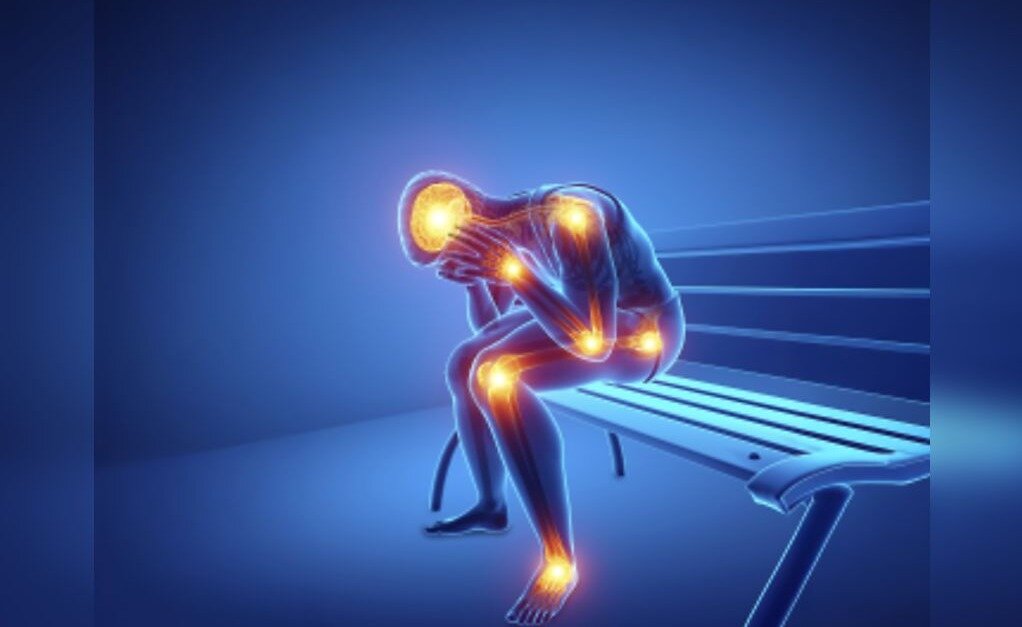
Chronic pain is more than just a physical sensation that prevents you from having a normal life. It involves a whole complex of changes in a person's body, mind, and even social life. Unlike acute pain, which occurs suddenly and indicates tissue damage, chronic pain lasts for more than three months and often persists even after the underlying cause has been treated. This condition can affect virtually any part of the body—back, neck, joints, head, internal organs—and has far more serious consequences than might appear at first glance.
Chronic pain is often accompanied by conditions such as depression, anxiety, insomnia, and fatigue. It affects not only the body but also a person's emotional state, disrupting their usual rhythm of life, limiting physical activity, interfering with work, destroying relationships with loved ones, and diminishing their joy in life.
What happens in the body?
When pain persists for a longer period of time, the brain begins to "habituate" its signals. The nerve pathways responsible for transmitting pain impulses become more active. This means that a person feels pain even from mild irritation that would normally not cause discomfort. Doctors call this condition sensitization. Additionally, constant pain activates the body's stress response: cortisol levels rise, sleep is disturbed, and immunity decreases. All of this makes a person vulnerable to other illnesses.
Emotional and mental effects
Imagine waking up in pain every day. Simple tasks like tying shoelaces, cooking, or going to the store become an ordeal. Over time, feelings of helplessness, irritability, and anxiety develop. A person no longer enjoys familiar activities like walking, socializing, or hobbies. Gradually, they begin to isolate themselves from the outside world and avoid meetings and events.
Depression is a common accompaniment to chronic pain. This is not surprising, as constant discomfort and limited physical abilities undermine self-confidence. People often feel that no one understands them, especially when the pain is "invisible" to others, as with fibromyalgia or migraines.
Impact on family and relationships
Chronic pain affects not only the affected person but also those around them. Their loved ones may feel increasing tension: they want to help but don't know how. Over time, family members also experience fatigue and emotional burnout. This can lead to conflict, misunderstandings, and alienation. In some cases, even marriage and parenting suffer: the afflicted parent can't give the children enough attention, play with them, or help with homework.
Financial and career consequences
Many people lose their jobs due to chronic pain. Frequent sick days, reduced productivity, and the inability to perform physically demanding work all impact their careers. In some cases, a job change or even giving up work altogether is necessary. This leads to a loss of income and thus a deterioration in quality of life.
In addition, treating chronic pain is a lengthy and expensive process. Doctor visits, physical therapy, medications, injections, and alternative methods (massage, acupuncture) all incur ongoing costs. For some families, such expenses become a heavy burden.
Social isolation
Chronic pain limits participation in social life. People no longer attend holidays, events, and gatherings. They avoid travel and outings for fear of pain. This increases feelings of loneliness and social isolation. Sometimes patients are even embarrassed to talk about their condition for fear of appearing weak or lazy.
How do you deal with chronic pain?
It's important to understand that chronic pain can and should be managed. The most important thing is not to ignore it and wait for it to go away on its own. Modern medicine offers a variety of approaches: medication, physical therapy, psychological support, exercise therapy, blockade therapy, and much more.
Multidisciplinary medical teams, including neurologists, orthopedists, physical therapists, psychologists, and pain specialists, achieve good results. This approach allows us to consider the problem from all angles and offer an individualized treatment plan. For example, back pain may require a combination of medication, gentle exercise, posture correction, and behavioral therapy. You can search for "chronic pain management doctors near me" to find experienced and qualified specialists in your area.
The role of the psychologist
Many people don't associate chronic pain with psychotherapy, but this aspect is often crucial. Working with a psychologist will help you manage your fears and learn to live with the pain without revealing yourself completely. This involves methods such as cognitive behavioral therapy, relaxation techniques, breathing exercises, and visualization. In some cases, antidepressants are prescribed, which can also relieve pain.
Replies