Choosing the right wheelchair cushion can make a profound difference in daily comfort and health
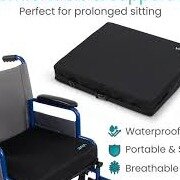
Choosing the right wheelchair cushion can make a profound difference in daily comfort, health, and quality of life. Whether you're a full-time wheelchair user or spend several hours seated each day, the cushion you select affects everything from pressure distribution and posture to pain management and skin health. Yet with so many options available, finding the best wheelchair cushion for your specific needs can feel overwhelming.
This guide breaks down what matters most when selecting a wheelchair cushion, explores different material options, and offers practical considerations to help you make an informed decision that supports your comfort and well-being throughout the day.
Why the Right Wheelchair Cushion Matters
Extended sitting places continuous pressure on specific areas of the body, particularly the tailbone, hips, and thighs. Without proper support, this pressure can lead to discomfort, pain, and in serious cases, pressure sores that compromise skin integrity and overall health. A quality wheelchair cushion for pressure relief does more than provide comfort—it actively redistributes weight, promotes healthy circulation, and supports proper spinal alignment.
Beyond medical benefits, the right cushion affects your ability to participate in daily activities with energy and focus. When you're not constantly shifting to relieve discomfort or managing pain, you can engage more fully in work, social interactions, and the activities that matter to you.
Understanding Cushion Materials: Gel vs Foam Wheelchair Cushion Comparison
When evaluating options, you'll encounter several material types, each with distinct characteristics. Understanding the gel vs foam wheelchair cushion comparison helps clarify which might work best for your situation.
Foam Cushions
Foam remains one of the most common cushion materials due to its versatility and accessibility. High-density foam provides firm, consistent support that maintains its shape over time. It's lightweight, easy to transport, and typically more affordable than specialized alternatives. Foam works particularly well for individuals who need reliable support without excessive weight or complexity. A standard wheelchair cushion offers dependable comfort for daily use, with various thickness options available to match individual preferences.
Gel Cushions
Gel cushions excel at pressure distribution, molding to your body's contours while spreading weight across a broader surface area. This characteristic makes gel especially valuable for people at higher risk of pressure sores or those who experience significant discomfort with firmer surfaces. However, gel cushions tend to be heavier and may require more maintenance than foam alternatives.
Combination Cushions
Many modern cushions combine materials to capture multiple benefits. A foam base might provide structural support while a gel or air layer on top enhances pressure relief and comfort.
Key Factors When Choosing a Wheelchair Cushion for Daily Use
Pressure Relief and Skin Health
For anyone spending considerable time seated, pressure relief should be a primary consideration. Look for cushions specifically designed to reduce pressure points and promote air circulation. The best wheelchair cushion for long sitting hours incorporates features that prevent hotspots and maintain healthy tissue over extended periods.
Back and Tailbone Support
Proper spinal alignment starts with your cushion. A wheelchair cushion for back and tailbone support should position your pelvis correctly, preventing you from sliding forward or tilting to one side. Some cushions include contoured designs or cutouts that relieve direct pressure on the tailbone while supporting the surrounding areas. If you experience lower back pain or tailbone discomfort, prioritizing these features can significantly impact your daily comfort.
Size and Fit
A cushion that doesn't match your wheelchair dimensions won't provide optimal support. Measure your wheelchair seat carefully, accounting for width, depth, and any armrest or frame considerations. A properly sized wheelchair cushion ensures even weight distribution and prevents gaps that could lead to pressure points or poor posture.
Maintenance and Durability
Consider how easy the cushion is to clean and maintain. Removable, washable covers make hygiene management simpler, particularly important for long-term use. Evaluate the cushion's expected lifespan and whether it will maintain its supportive properties over time.
Additional Comfort Considerations
While the seat cushion forms the foundation of comfort, other accessories can enhance your overall experience. Fleece arm cushion covers provide soft padding for armrests, reducing pressure on elbows and forearms during extended use. These small additions often make a noticeable difference in all-day comfort.
How to Choose a Wheelchair Cushion for Daily Use: Practical Steps
Start by assessing your specific needs. Consider how many hours you typically spend seated, any existing pressure points or pain areas, and your mobility level. If possible, consult with an occupational therapist or healthcare provider who can evaluate your posture and recommend appropriate support levels.
Test cushions when possible, spending at least 15-20 minutes seated to get a realistic sense of comfort and support. Pay attention to how your body feels—not just immediately, but after some time has passed.
Don't hesitate to ask questions about materials, warranty coverage, and return policies. A quality cushion represents an investment in your daily comfort and health, so take the time to find the right match.
Conclusion
Finding the best wheelchair cushion involves balancing multiple factors: pressure relief, material preferences, proper sizing, and long-term durability. By understanding what different cushion types offer and honestly assessing your daily needs, you can identify a solution that supports both comfort and health. The right cushion isn't just about immediate comfort—it's about protecting your body, maintaining your independence, and ensuring you can engage fully in the life you want to live.
Replies