Chemotherapy for the Treatment of Lung Cancer
The second most common form of cancer is lung cancer. It occurs among women and men and among adults, it is considered as the leading cause of cancer death. Smoking causes approximately 8 out of 10 deaths from lung cancer. Secondhand smoke, asbestos and radon also have a higher risk of lung cancer.
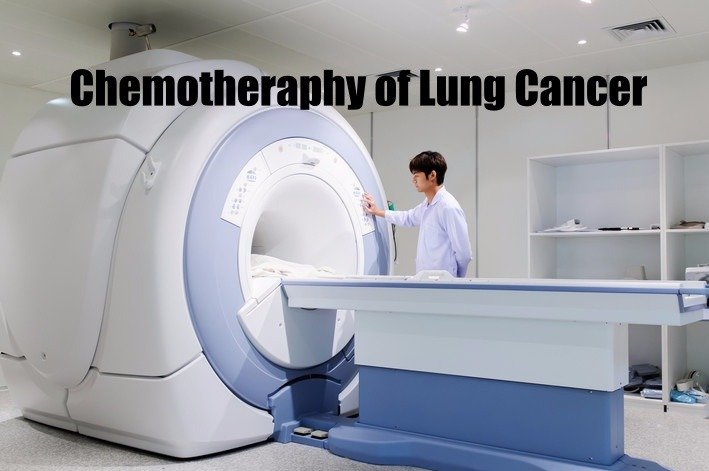
What is chemotherapy?
Chemotherapy consists of the use of anticancer drugs (cytostatics) to destroy the cancerous cells. These work by interrupting the growth of cancer cells.
To kill cancer cells that cause as little harm to normal, healthy cells as possible for lung cancer, chemotherapy for lung cancer uses anticancer (cytotoxic) drugs.
Chemotherapy is regularly given by intravenous infusion. A cycle is a term used for each chemotherapy, and it is continued by the remaining period to provide your body with time to recover.
The total of treatments relies on what type of lung cancer you experience and how your body handles the side effects. You will probably have outpatient chemotherapy, which means you will not have to stay in the hospital all night.
Talk to your doctor to suggest you the best treatment plan for you.
Certain types of chemotherapy can be taken orally in tablet form and are commonly used continually.
Chemotherapeutic treatments for lung cancer are used in three ways:
- Neoadjuvant chemotherapy or primary systemic lung cancer can be used prior to surgery to kill cells of cancer. It also enables your oncologist to decide the effect of a specific treatment for lung cancer on the tumour.
- Adjuvant chemotherapy is used following the surgery or radiation targeting cancer cells that have not been eliminated during the surgery of lung cancer and helps block the development of cancer to other parts of the body.
- Systemic chemotherapy which means the chemotherapeutic agents circulate through the bloodstream to cancer cells into the body performs a crucial role in the treatment of locally progressive or metastatic lung cancer.
Chemotherapy types
Small cell lung cancer
The method commonly consists of a combination of chemotherapeutic agents that include cisplatin or carboplatin. The combinations are:
- Gemcarb (gemcitabine and carboplatin)
- Carboplatin and etoposide
- EP (cisplatin and etoposide)
Generally, small cell lung cancer gives a good reaction to these treatments. However, in order to improve results, reduce side effects, or both, researchers continue to try other combinations.
Non-small cell lung cancer
There is a higher possibility that you have cisplatin or carboplatin with one other medicine at least, including:
- Gemcitabine
- Vinorelbine
- Docetaxel (taxotere)
- Paclitaxel (taxol)
- Pemetrexed
- Etoposide
When do you use chemotherapy?
Chemotherapy is available to be at different times, including:
- Prior to surgery also called as neo-adjuvant chemo. The purpose is to try to reduce cancer and facilitate the operation.
- Prior to radiotherapy or during radiotherapy also called chemoradiotherapy or chemoradiotherapy. The purpose is to make radiotherapy more effective.
- Following the surgery or also called adjuvant chemotherapy. The purpose is to reduce the risk of recurrence of cancer.
- As a palliative treatment to lessen symptoms, improve your life quality or prolong your life.
The side effects of chemotherapy
Chemo works in stopping or slowing down the cancer cells growth. Frequently, the growth of cancer cells is quite fast. However, using chemotherapy can also destroy healthy cells that break quickly. Destroying healthy cells is what leads to a lot of side effects of chemotherapy.
When chemotherapy destroys healthy blood cells, it will lead to:
Anemia or low blood cells that could make you feel really weak and tired
Neutropenia or low white blood cell that could make him susceptible to infections
Thrombocytopenia or low platelets can lead to bruising or bleeding
Chemo can harm healthy cells in the stomach. The chemotherapeutic agents then disturb these areas, which can lead to nausea and vomiting. Chemotherapy medications can also induce signals in the brain that cause the body to vomit.
When chemotherapy influences the healthy cells surrounding hair follicles, it can result in the loss of the hair which is also called alopecia.
Chemotherapy can have many other side effects. Fortunately, the side effects can be handled.
Sources:
https://www.cancercouncil.com.au/lung-cancer/treatment/chemotherapy/
https://www.cancerresearchuk.org/about-cancer/lung-cancer/treatment/chemotherapy/chemotherapy-treatment
https://www.cancercenter.com/lung-cancer/chemotherapy/
http://www.chemotherapy.com/new_to_chemo/tumor_types/lung_cancer/
Replies