Best Recommendations to Prevent a Knee Sprain
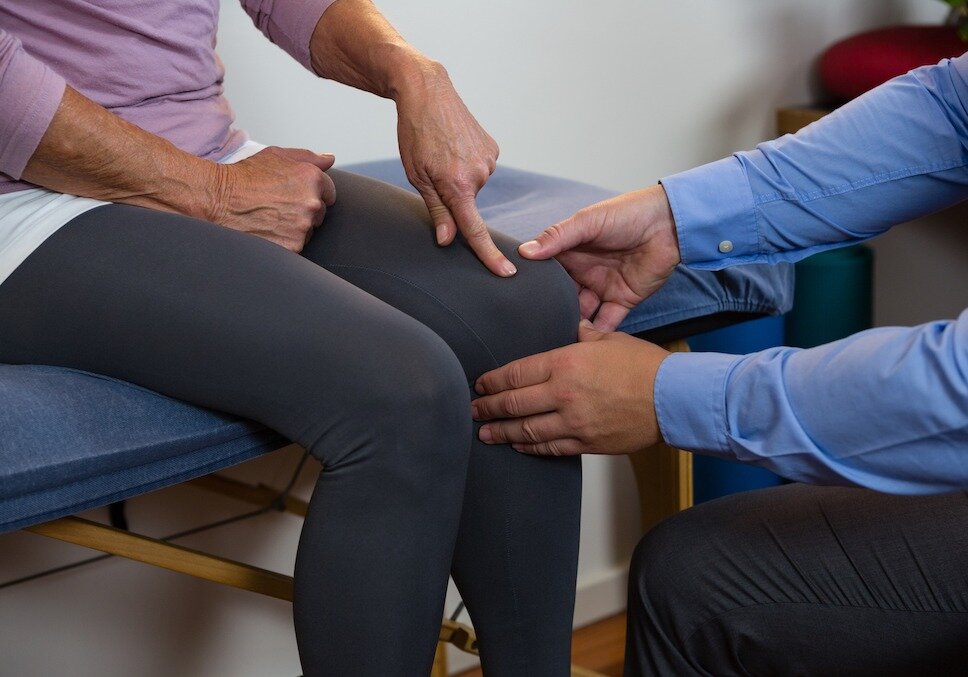
A knee sprain is a medical condition characterized by damage or injury to one of the four knee ligaments. It usually affects athletes, but you can end up with a sprained knee even after a fall. Athletes that have a greater risk of suffering from a knee sprain are those engaging into contact sports such as soccer, football, rugby, but skiing, basketball, or volleyball have a higher risk for such an injury as well.
The knee joint has a total of four ligaments, which aim to provide stability and mobility for the knee joint. The four knee ligaments are:
- Medial collateral ligament or MCL
- Lateral collateral ligament or LCL
- Anterior cruciate ligament or ACL
- Posterior cruciate ligament or PCL
Knee ligaments are an elastic band of connective tissue, in charge of balance, stability, and knee mobility. The medial and lateral collateral ligaments cross each other in front of the patella and they don’t allow the knee joint to skip from one side to the other. The anterior cruciate ligament prevents the shin bone from sliding forward on the thigh bone, while the posterior cruciate ligament prevents the shin bone from sliding backward on the thigh bone.
If one of these four knee ligaments is damaged then normally the knee stability, body balance, and knee mobility will be impaired. Based on the ligament damaged, the knee will skip from one side to the other, it will skip forward or backward. Usually, the anterior cruciate ligament and the medial collateral ligament are the ones that get damaged. The posterior cruciate ligament rarely gets damaged due to a knee injury or contact sports.
How do these ligaments get damaged causing knee sprain?
Normally, knee ligaments are elastic structures made of connective tissue and they have a certain point until which they can stretch without being damaged. In cases when there is an overstretching of these elastic bands, partial or total damage occurs. Based on the severity of the ligament bands damaged, the knee sprain is divided into three grades:
- Grade I knee sprain is the easiest damage, where only 10% of elastic ligament bands are affected. The recovery period is faster and the treatment usually requires only bed rest, ice packs, elastic bandaging of the knee, as well as an elevation of the affected knee. Knee pain and a certain level of knee swelling are present.
- Grade II knee sprain is moderate damage to the knee ligaments, where 10 % to 90% of the elastic ligament bands are affected. The recovery period is normally longer compared to the grade I knee sprain. Bruising, limited knee mobility, knee instability, buckling of the knee, and even inability to hold the bodyweight are common signs and symptoms, besides knee pain and swelling around the knee.
- Grade III knee sprain is severe damage to the knee ligaments, where 100% of the elastic ligament bands are affected. This damage is also known as a total rupture of the knee ligaments, compared to grade I and grade II knee sprain where there is only a partial rupture of the knee ligament. The signs and symptoms are normally more severe, the pain is immediate and stabbing, the swelling around the knee is considerable while landing on the foot is impossible. The recovery period is longer. Often surgical repair via arthroscopy is required in cases of a total ligament rupture.
Certain people have an increased risk for a knee sprain. Knee sprain risk factors include:
- Having had a knee sprain in the past
- Wearing uncomfortable shoes
- Engaging in certain types of sports like soccer, football, rugby, basketball, volleyball, skiing, etc
How to prevent a knee sprain?
As mentioned, athletes are the ones that often end up with a knee sprain, even though it can occur even after a fall. Normally, there is no possible way to prevent a knee sprain due to a fall, besides to be very careful when walking or running. However, athletes who engage in various sports should know how to prevent a knee sprain as often it will stop their sports career temporarily and sometimes even definitely.
The following tips can help prevent a knee sprain from occurring:
- Wear comfortable shoes and other sports equipment when playing a sport
- Warm-up properly before training
- Stretch up properly before training
- Regularly do strengthening exercises to keep your muscles strong
- Listen to your body and don’t force yourself
- Don’t change the training schedule or intensity suddenly. Instead, increase the training intensity gradually
Replies