Best and Worst Foods for Uterine Fibroids
Fibroids are tumors comprised of smooth muscle and connective tissue, commonly known as myomas or leiomyomas. While the phrase "tumor" may conjure up images of cancer, fibroids are usually harmless. According to fibroid statistics, up to 80% of all women with uteruses will acquire fibroids at some point throughout their lives.
Fibroids grow increasingly frequently as women become older, up until menopause when myomas are rare and tend to diminish if they already exist. Although some people are unaware that they have fibroids, others experience severe symptoms such as heavy or prolonged periods, pelvic discomfort, excessive urination, constipation, and backaches.
While visiting a fibroid doctor is essential, maintaining a healthy weight by following a well-balanced diet rich in fresh fruits and vegetables, lean proteins, and healthy fats will help to slow or stop fibroid growth. In this article, we have gathered the best and worst foods for uterine fibroids that you should know about.
What to eat if you have fibroids?
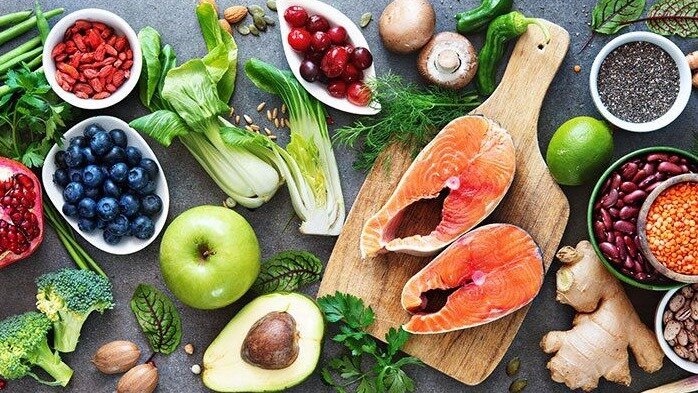
There are no foods that have been scientifically shown to decrease fibroids. However, if you want to lower your estrogen levels, you should pay sufficient attention to your diet. According to some studies, eating enough fruits like apples and tomatoes, as well as veggies like broccoli and cabbage, can help prevent fibroids. Furthermore, consuming healthier meals such as organic fruits and vegetables and whole grains may assist to alleviate your symptoms.
You should also know that vegetables, such as broccoli, are high in fiber. These foods can help you lose weight by curbing your appetite and causing you to eat less. And that's significant since fibroid symptoms can be alleviated by lowering weight.
Carrots and sweet potatoes, which are high in beta-carotene, can also help enhance your fertility, which can be affected by fibroid development. You should also add fruits like apples and oranges to your diet. Studies show that women who eat two or more servings of citrus fruit each day lower their risk of developing fibroids.
Fresh and prepared green vegetables, fresh fruit, legumes, and seafood should all be present on your menu. One approach to achieve this is to follow a Mediterranean diet. According to research, consuming these foods on a daily basis can help reduce your risk of fibroids.
Because of its impact on gene expression, vitamin D is thought to influence fibroid risk and growth. That is, the vitamin may prevent myomas from growing by preventing particular cells from replicating. Vitamin D levels in patients with uterine fibroids (UF) are consistently lower than in people without UFs, according to studies.
Vitamin D isn't easy to come by in your diet, but you can get it from fatty fish (these also pack anti-inflammatory omega-3 fatty acids), egg yolks, and fortified foods like low-fat milk, yogurts, and breakfast cereals.
What to avoid if you have fibroids?
Balancing your hormones naturally is an excellent first step in managing your fibroids and maintaining or shrinking their current size. Because your food has such a powerful impact on your hormone levels, it's one of the first (and easiest) places to make adjustments.
A high-protein diet, such as beef, hog, or lamb, may increase your chance of getting fibroids. Processed meat has been related to a variety of ailments, and most doctors equate eating a lot of processed meat with leading an unhealthy lifestyle. Hot dogs, sausages, dried meat, and canned meat are examples of processed meat that have been preserved by curing, smoking, drying, or canning.
The high-fat content of these meats causes inflammation in women with fibroids, which can exacerbate symptoms. Chemicals that are commonly found in processed meats might irritate your system. If you're going to consume meat, go for fresh, organic cuts.
Long-term soy eating has been related to increased estrogen levels. While a taste of tofu or a soy latte here and there won't damage you, the overall trend towards soy-rich meals is obvious. Soy and soy products are high in estrogen.
Also, keep an eye out for artificial sweeteners. While they don't contain estrogen, they have an impact on gut microbes and hormone balance. It's also not a good idea to consume natural sugar. High insulin (produced by a high sugar intake) reduces sex hormone-binding globulin (SHBG), which causes estrogen to be released into your system and can cause symptoms such as painful breasts, fibroids, and heavy menses.
Replies