AstraGin in Sports Nutrition: Myths and Facts
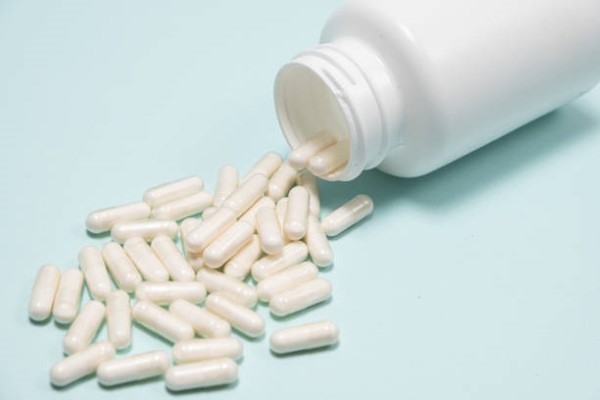
AstraGin is frequently promoted in sports nutrition for its ability to enhance nutrient absorption, suggesting potential benefits for muscle recovery and performance. Despite these claims, the actual impact on athletic outcomes remains nuanced. While its role in improving the uptake of amino acids and micronutrients is supported, many purported performance enhancements lack robust evidence. Understanding the distinction between its biochemical effects and real-world benefits is essential before considering its use.
What Is AstraGin and How Does It Work?
AstraGin is a natural compound derived from the roots of Astragalus membranaceus and Panax notoginseng, commonly used to enhance nutrient absorption in the body. Composed primarily of saponins and flavonoids, AstraGin influences intestinal transporters and enzymes, facilitating improved uptake of amino acids, glucose, and vitamins. Research indicates AstraGin supports the integrity of the intestinal lining, promoting efficient nutrient assimilation. This mechanism underpins its application in dietary supplements aimed at maximizing nutrient bioavailability. While its precise biochemical pathways require further elucidation, current evidence supports AstraGin’s role in optimizing nutrient utilization, relevant for sports nutrition and overall metabolic health.
The Role of AstraGin in Nutrient Absorption
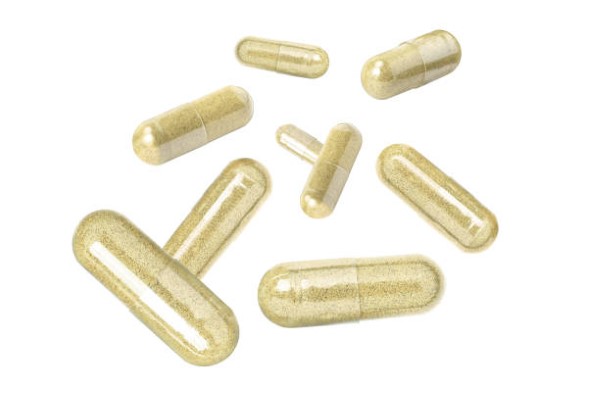
Enhancing nutrient absorption is a key factor in optimizing athletic performance and recovery. AstraGin benefits stem from its ability to improve the uptake of amino acids, vitamins, and minerals in the small intestine, supporting efficient nutrient utilization. Studies suggest AstraGin enhances transporter expression, facilitating greater absorption of key nutrients essential for muscle repair and energy metabolism. This improved bioavailability may contribute to better hydration, nutrient delivery, and overall metabolic function, critical in sports nutrition. While AstraGin does not directly enhance performance, its role in nutrient absorption can support athletes by maximizing the effectiveness of dietary supplements and food intake.
Common Claims About AstraGin in Sports Nutrition
Numerous claims circulate within the sports nutrition community regarding the benefits of AstraGin, often highlighting its potential to boost nutrient absorption and support athletic performance. The AstraGin supplement is frequently promoted as enhancing amino acid uptake, improving endurance, and accelerating recovery. Some advocates suggest it aids in digestive health and reduces fatigue during intense training. However, without detailed examination of clinical data, these assertions remain largely anecdotal. It is important to distinguish between marketing claims and substantiated effects when considering AstraGin’s role in sports nutrition, avoiding overestimation of its capabilities based solely on promotional narratives.
Scientific Evidence Supporting AstraGin’s Benefits
While some claims about AstraGin remain anecdotal, several studies have begun to provide empirical support for its effects on nutrient absorption and athletic performance. Research indicates that AstraGin effects include enhanced absorption of amino acids, glucose, and vitamins, which are critical for energy production and muscle function. Clinical trials demonstrate that AstraGin can improve bioavailability of key nutrients, potentially optimizing athletic output. However, the magnitude of these benefits varies among individuals, and more large-scale, controlled studies are needed to confirm long-term impacts. Current evidence supports AstraGin as a promising adjunct in sports nutrition, primarily through its nutrient absorption enhancement.
AstraGin and Improved Muscle Recovery
Building on its role in improving nutrient absorption, AstraGin has been investigated for its potential to support muscle recovery after exercise. By enhancing the uptake of amino acids and micronutrients essential for repair processes, AstraGin uses may accelerate recovery and reduce muscle soreness. Clinical studies indicate that AstraGin can improve the bioavailability of key nutrients involved in muscle protein synthesis, contributing to faster tissue repair. While more research is needed to confirm long-term benefits, current evidence supports AstraGin uses as a practical adjunct in sports nutrition aimed at optimizing recovery and enhancing overall training outcomes.
Impact of AstraGin on Energy Levels and Endurance
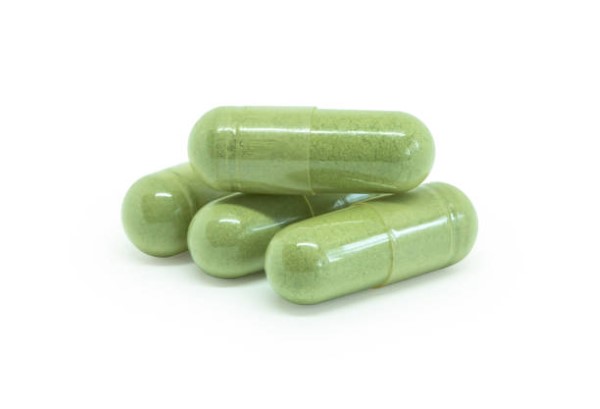
How does AstraGin influence energy levels and endurance during physical activity? AstraGin, a natural compound, is primarily recognized for enhancing nutrient absorption, which can indirectly support energy metabolism. By improving the uptake of key nutrients like amino acids and glucose, AstraGin may help maintain energy availability and delay fatigue. However, direct evidence linking AstraGin dosage to increased endurance is limited. Typical AstraGin dosage ranges from 25 to 50 mg per day in supplements, aiming to optimize nutrient assimilation rather than acting as a direct ergogenic aid. Hence, AstraGin’s impact on endurance is likely secondary to its role in nutrient bioavailability.
Can AstraGin Enhance Protein Synthesis?
To what extent can AstraGin enhance protein synthesis in the context of sports nutrition? AstraGin ingredients, primarily derived from Panax notoginseng and Astragalus membranaceus, are known to support nutrient absorption. While direct evidence linking AstraGin to increased protein synthesis is limited, improved cellular uptake of nutrients may create a more favorable environment for muscle protein synthesis. Enhanced absorption of key cofactors involved in protein metabolism could indirectly support this process. However, AstraGin should not be considered a standalone enhancer of protein synthesis but rather a complementary ingredient that may optimize nutrient utilization when combined with adequate protein intake and training.
Conclusion
AstraGin primarily functions as a nutrient absorption enhancer, supporting improved bioavailability of amino acids, vitamins, and minerals. While it does not directly increase strength or endurance, its role in optimizing nutrient uptake can aid muscle recovery and overall athletic nutrition. Current evidence underscores AstraGin as a useful adjunct rather than a standalone performance booster. Athletes should consider it as part of a broader nutritional strategy rather than expecting immediate gains in physical performance.
Replies