A Role of Dental Implants in Bite Alignment
A confident smile is more than just an expression; it reveals a person's personality and sense of self-assurance. But tooth loss from a number of reasons can impact more than simply appearance; it can also lead to improper bite function. In this case, dental implants can be helpful.
Dental implants are a revolutionary procedure that not only replaces lost teeth but also realigns the bite. In this in-depth analysis, we will delve into the world of dental implants and their significant influence on bite alignment.
By surgically inserting titanium posts into the jawbone, dental implants function as artificial tooth roots. The robustness of this foundation allows for the insertion of new teeth. Before the implant is medically inserted, the patient's oral health is thoroughly assessed. The process by which the implant gradually fuses with the jawbone to give the replacement tooth a solid and stable base is known as osseointegration.
The Importance of Proper Bite Alignment
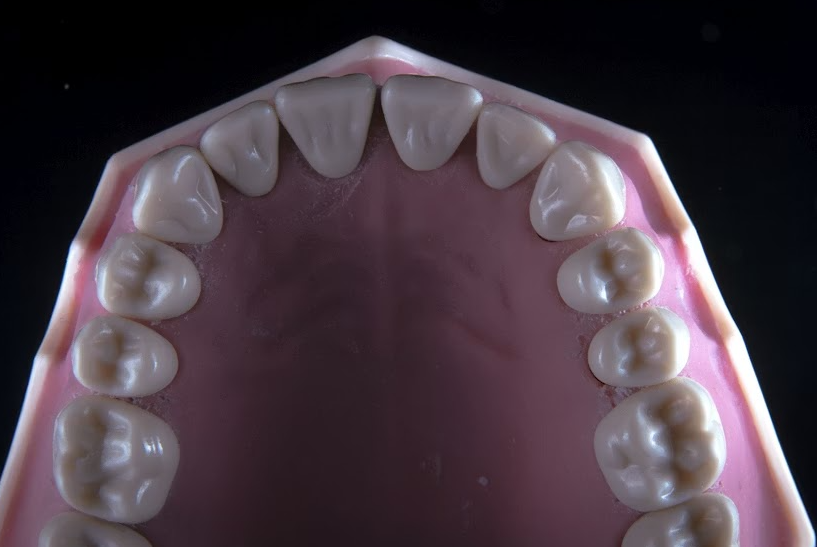
The alignment of the upper and lower teeth when the mouth is closed is referred to as occlusion, another term for bite alignment. Healthy eating, speaking, and overall dental health depend on the teeth being positioned correctly during biting. When teeth are lost, the balance of bite alignment is disrupted, leading to a variety of issues that go beyond appearances.
Dental implants have a complex role in maintaining and restoring bite alignment. After tooth loss, the jawbone may deteriorate as a result of a lack of stimulation, a condition known as bone resorption.
By functioning as natural tooth roots, dental implants stimulate the jawbone and prevent bone loss. The preservation of bone structure helps to maintain the bite's alignment.
Dental implants alleviate needless stress on other teeth by distributing biting forces evenly across the jawbone. This uniform stress distribution reduces the chance of neighboring teeth moving out of alignment and encourages good bite alignment.
The alignment of the bite may be upset if neighboring teeth begin to occupy the space left by a missing tooth. Braces can be used to avoid this. Dental implants preserve the natural bite by effectively preventing the neighboring teeth from moving and filling this space.
Dental implants restore the ability to chew efficiently. This is essential for maintaining the integrity of the bite and for overall digestion. When missing teeth are replaced with implants, the bite can be suitably adjusted to encourage efficient eating.
Dental Implant Positioning and Bite Alignment
The process of using dental implants to restore bite alignment involves several steps.
- Consultation
To determine whether a patient is a good candidate for dental implants, a thorough oral examination is performed using X-rays and scans.
- Implant positioning
After the implant is surgically inserted into the jawbone, osseointegration takes place throughout the healing phase.
- Abutment attachment
An abutment is attached once the implant and jawbone have bonded. This serves as a link between the fake tooth replacement and the implant.
- Customized restoration
A realistic replacement tooth, usually a dental crown, is made to resemble the patient's natural teeth. This repair is securely fastened to the implant.
- Bite adjustment
During the closing stages of the procedure, the dentist ensures that the bite alignment is exact and balanced. Any essential adjustments are made to ensure proper operation.
How to Keep Your Teeth in the Right Position After Getting Dental Implants
Maintaining proper oral hygiene is crucial. Brushing, flossing, and professional cleanings are essential for the health of dental implants and surrounding teeth.
Remember that the purpose of your follow-up dental office visits is to evaluate bite alignment and implant integration. Any issues could be resolved immediately. If you grind your teeth at night, wear a bite guard to keep your bite in alignment and prevent damage to your natural teeth and implants.
The bottom line
In addition to restoring lost teeth, dental implants are crucial for preserving good bite alignment and overall oral health. By stabilizing neighboring teeth and mimicking natural tooth roots, dental implants help in the creation of a balanced bite.
People may be able to regain both their beautiful smiles and the useful benefits of having their teeth properly aligned thanks to advancements in implant technology and procedures. As you embark on the journey to get your smile and bite alignment restored with dental implants, keep in mind that the path to regained confidence and functional teeth is well within reach.
Replies