A Complete Guide to the Best CPAP Machine for Sleep Apnea
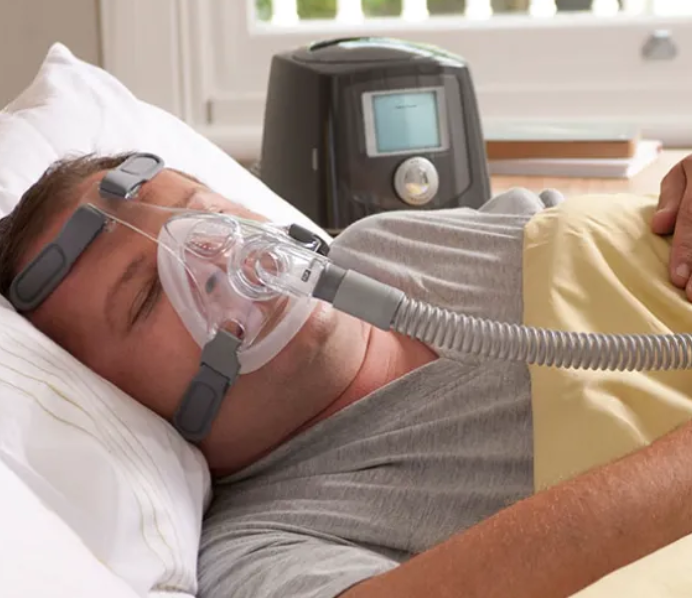
Sleep apnea affects millions of people, disrupting not just their nights but their overall health and quality of life. If you've been diagnosed with this condition, you've likely heard that CPAP therapy is the gold standard treatment. However, choosing the best CPAP machine for sleep apnea can feel overwhelming when faced with numerous models, features, and technical specifications that may seem confusing at first.
Understanding what makes a CPAP machine effective for your specific needs helps transform this medical device from an intimidating prescription into a trusted companion for better sleep and improved health. The right machine should work quietly in the background of your life, allowing you to wake refreshed rather than constantly adjusting to uncomfortable equipment.
Understanding CPAP Therapy and Your Needs
Continuous Positive Airway Pressure therapy works by delivering a steady stream of air through a mask, keeping your airways open throughout the night. This prevents the breathing interruptions that characterize sleep apnea and allows you to achieve the restorative sleep your body needs.
Not everyone with sleep apnea has identical needs. The severity of your condition, your sleep position preferences, whether you breathe through your mouth or nose, and your lifestyle all influence which features will matter most to you. Taking time to understand these personal factors helps you select a machine you'll actually use consistently rather than one that sits unused because it doesn't fit your life.
Key Features That Define Quality CPAP Machines
When evaluating different machines, certain features directly impact your comfort, compliance, and therapeutic success.
Pressure Settings and Automatic Adjustment
An automatic CPAP machine for beginners offers significant advantages, especially if you're new to therapy. These devices, often called APAP or auto-CPAP machines, adjust air pressure automatically throughout the night based on your breathing patterns. This means you receive exactly the pressure you need at any given moment rather than a constant fixed pressure that may feel too strong during certain sleep stages.
For those just starting CPAP therapy, automatic machines reduce the adjustment period and often feel more natural than fixed-pressure models. They also accommodate changes in your condition over time without requiring manual reprogramming.
Noise Levels and Sleep Quality
A quiet CPAP machine for light sleepers can make the difference between successful therapy and abandoned treatment. Modern CPAP technology has advanced significantly, with many machines operating at whisper-quiet levels below 30 decibels. This matters not just for you but also for anyone sharing your sleeping space.
Sound-dampening technology and improved motor designs have made newer models substantially quieter than older generations. If you or your partner are sensitive to noise, prioritizing quiet operation becomes essential for long-term compliance.
Humidification for Enhanced Comfort
Dry air from CPAP therapy can cause nasal congestion, dry mouth, and throat irritation that makes treatment uncomfortable. A CPAP machine with humidifier for comfort addresses these issues by adding moisture to the air you breathe, creating a more pleasant experience that encourages consistent use.
Integrated humidifiers maintain optimal moisture levels throughout the night, and many offer heated humidification for even greater comfort. This feature proves particularly valuable during winter months or in dry climates where ambient humidity is low.
Matching Machines to Specific Situations
Your lifestyle and the severity of your condition influence which CPAP features deserve priority.
Treatment for Severe Sleep Apnea
An affordable CPAP machine for severe sleep apnea must deliver reliable, consistent pressure without compromising on essential features. Severe sleep apnea typically requires higher pressure settings and more robust airflow, which not all machines handle equally well.
Look for machines with strong motors, wide pressure ranges, and proven reliability. While budget constraints matter, the most affordable option isn't always the least expensive upfront but rather one that performs reliably without frequent repairs or replacement. Investing in quality equipment often proves more economical over the device's lifespan.
Travel and Portability Considerations
For people who travel frequently for work or pleasure, a portable CPAP machine for travel transforms therapy from a barrier into a manageable part of your routine. Compact designs, lightweight construction, and universal power adapters allow you to maintain treatment wherever you go.
Some travel-focused machines sacrifice certain features for portability, so consider whether you need a dedicated travel machine or a single device that balances home comfort with travel convenience. Battery operation capabilities can also matter for camping or situations where electrical outlets aren't guaranteed.
Essential Accessories and Maintenance
The machine itself is only part of effective CPAP therapy. Accessories and proper maintenance significantly impact your experience and health outcomes.
Mask Selection and Fit
Your CPAP mask matters as much as the machine. A poorly fitting mask creates air leaks, causes skin irritation, and undermines therapy effectiveness. Masks come in several styles including nasal masks, nasal pillow masks, and full-face options.
Full-face masks like the CPAP mask system Flow Safer II full face style large work well for mouth breathers or those who need higher pressure settings. These masks cover both your nose and mouth, preventing air leaks regardless of how you breathe during sleep.
Alternative designs such as the CPAP mask Simplus full face style RollFit seal performance incorporate advanced sealing technology that adapts to your facial movements throughout the night, maintaining an effective seal without excessive tightness that can cause discomfort or skin marks.
Cleaning and Hygiene
Regular cleaning of your CPAP equipment prevents bacterial growth, extends the life of your supplies, and ensures optimal performance. Daily cleaning of your mask and weekly cleaning of your tubing and humidifier chamber should become routine habits.
For those seeking convenient maintenance solutions, an automatic CPAP cleaner sanitizer can simplify the cleaning process, using activated oxygen to sanitize your equipment without requiring disassembly or manual scrubbing. This approach can improve compliance with cleaning routines, particularly for those with limited time or mobility challenges.
Making Your Decision With Confidence
Selecting the best CPAP machine for sleep apnea involves balancing multiple factors including your prescribed pressure requirements, comfort preferences, budget constraints, and lifestyle needs. Don't rush this decision or feel pressured to choose the first option presented.
Many durable medical equipment providers offer trial periods or the option to try different masks and settings before committing. Take advantage of these opportunities to ensure your chosen equipment works well for your specific situation. Your sleep medicine physician or respiratory therapist can also provide valuable guidance based on your sleep study results and individual characteristics.
Remember that the best machine is ultimately the one you'll use consistently. A top-rated model with every available feature won't help if it sits unused because it doesn't fit your preferences or lifestyle. Prioritize features that address your specific concerns and obstacles to compliance.
Investing in Better Sleep and Health
Untreated sleep apnea contributes to serious health risks including high blood pressure, heart disease, stroke, and diabetes. It also impairs cognitive function, increases accident risk, and diminishes overall quality of life. Effective CPAP therapy addresses these concerns, often producing noticeable improvements within days or weeks of starting treatment.
The adjustment period varies among users. Some people adapt to CPAP therapy quickly, while others need several weeks to grow comfortable with the sensation and routine. Patience during this initial phase, combined with properly fitted equipment and appropriate machine settings, typically leads to successful long-term use.
Your commitment to treatment represents an investment in your long-term health and wellbeing. With the right equipment and support, CPAP therapy becomes a manageable part of your routine that pays dividends through better sleep, increased energy, improved mood, and reduced health risks. Trust the process, communicate openly with your healthcare providers about any challenges, and know that millions of people successfully use CPAP therapy to reclaim restful nights and vibrant days.
Replies