9 Unexpected Health Issues That May Occur After Menopause
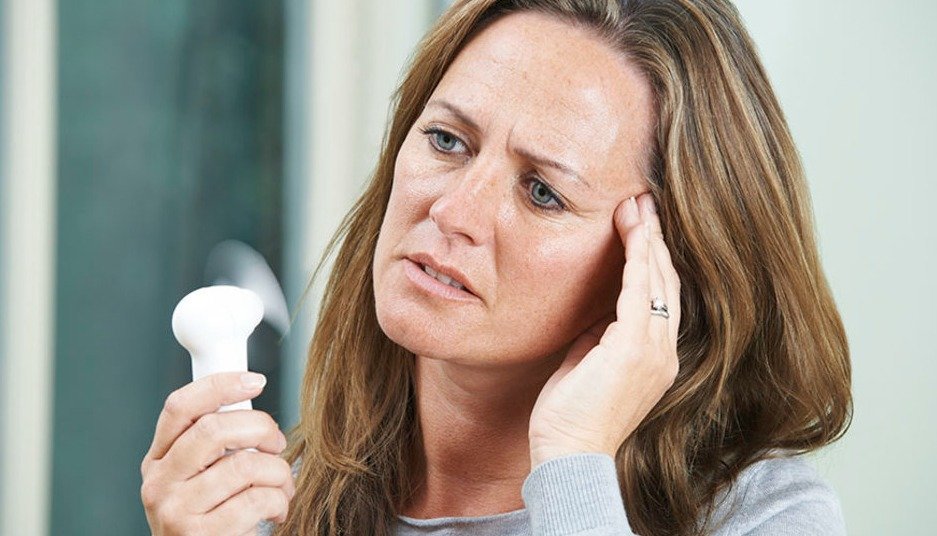
For many women, menopause is a hard period that comes with a variety of uncomfortable symptoms such as hot flashes, mood swings, weight gain, depression, headaches, etc. It usually starts between the ages of 45 and 55, however, it can occur before or after this age range.
In addition to those sneaky symptoms, menopause carries the risk of certain health problems, including:
1. Diabetes
According to the Women’s Health Initiative, women who develop menopause before age 46 or after 55 are even more likely to get diabetes than women who have menopause between the ages of 46 and 55. However, every menopausal woman has a higher risk of type 2 diabetes.
2. Autoimmune diseases
More than 75 percent of Americans with autoimmune diseases are women, and if you’re postmenopausal, you’re especially at risk. Though, the cause is not well understood. Scientists found that the risk of getting autoimmune conditions, including scleroderma, rheumatoid arthritis, lupus, Graves’ disease, and thyroiditis increases after menopause.
Women have two X chromosomes, and defects in the X chromosome might make some women more prone to developing autoimmune diseases. Plus, researchers suggest that lowered estrogen levels play a role as well.
3. Liver disease
Low estrogen and increasing age are to blame. These two factors make it harder for your liver to recover from the effects of infections, alcohol, or excess fat. Women are more prone to organ damage from alcohol. Women also develop alcohol-related liver disease, alcoholic hepatitis, and die from cirrhosis, which might all be linked to lower estrogen levels.
4. Periodontal disease
Estrogen can also affect your dental health. Low levels of the female hormone can result in loose teeth, tooth loss, and periodontal disease, which women are more prone to after menopause.
5. Breast cancer
Breast cancer is more likely to occur in postmenopausal women than younger women. However, in this case, you can blame your birthday instead of your estrogen levels. As a woman ages, her risk of getting breast cancer increases. The biggest factor for breast cancer that you can prevent is weight gain after menopause.
6. Osteoporosis
The longer a woman’s body goes without a menstrual period, the higher are your chances to develop osteoporosis. Estrogen actually plays a big role in maintaining your bone density. 20 to 30 percent of bone loss in women occurs in the first years after menopause. So, it’s essential that you take some steps to save your bones. These include following a calcium-rich diet, limiting sodium consumption, avoiding alcohol, soda, and coffee consumption, and performing weight-bearing exercises.
7. Urinary issues
Urinary incontinence is an especially common health problem in postmenopausal women. This is possibly due to the thinning of the urethra and weakened pelvic floor muscles. During this time, you’re also more susceptible to recurring urinary tract infections. This is because estrogen helps your body fight harmful bacteria.
8. Sleep apnea
Sleep apnea is quite common in postmenopausal women. Unfortunately, approximately 90 percent of women are not diagnosed. Unlike men, women might not have the hallmark signs of this sleep condition, such as pauses of breath, snoring, and excessive daytime sleepiness. Instead, women might have atypical signs like morning headache, anxiety, insomnia, fatigue, tiredness, and depression.
9. Heart disease
Estrogen is essential for your heart health. It increases the levels of good cholesterol and lowers bad cholesterol, as well as dilates blood vessels so that blood flow increases. Estrogen is also involved in preventing high blood pressure (a major risk factor for stroke) and cholesterol-laden plaque that provokes coronary heart disease. Moreover, the most common symptoms of heart attack in women can even be confused with stress or headache.
Replies