9 Surprising Signs Your Heart Might Be in Trouble
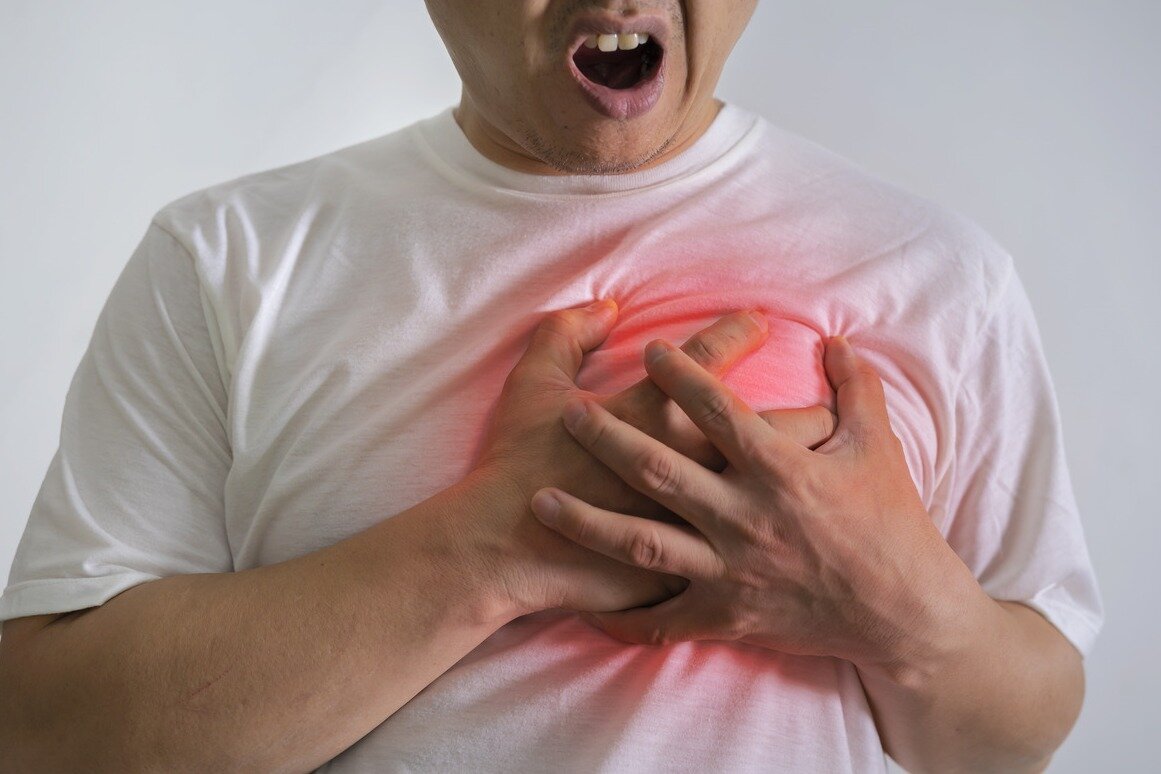
Heart disease is a serious health concern that affects millions of people worldwide, with the United States seeing a significant number of cases every year. Shockingly, many individuals may not even realize they're at risk until it's too late. The signs can be subtle, often overlooked, or mistaken for other less serious conditions. Here are nine unexpected signs that could indicate you're at risk of heart disease:
1. High blood pressure
Maintaining healthy blood pressure levels is crucial for heart health. High blood pressure, if left untreated, can damage your arteries, leading to a higher risk of heart disease, heart attack, and stroke. While some may experience symptoms such as headaches or dizziness, many people with high blood pressure may not notice any symptoms at all. Regular blood pressure checks are essential to catch any potential issues early on.
2. Hair loss on your legs
Surprisingly, hair loss on your legs could be a sign of poor circulation due to constricted arteries. This reduced blood flow can deprive your hair follicles of the necessary nutrients and oxygen, resulting in hair loss. Peripheral vascular disease, often linked to heart issues, is a common cause of leg hair loss. If you notice unusual hair loss, especially on your legs, it's essential to consult a doctor for proper evaluation and treatment.
3. Irregular heartbeat
Feeling like your heart is skipping beats or experiencing irregular rhythms may indicate an underlying cardiovascular problem. Arrhythmia, a condition where the heart beats irregularly, can lead to serious cardiac issues if left untreated. It's crucial to seek irregular heartbeat treatment if you experience rapid or irregular heartbeats to prevent potential complications.
4. Persistent swelling in your legs and feet
Constant swelling in your legs and feet, accompanied by discomfort and tightness in your shoes, could be a sign of heart trouble. This swelling, known as edema, occurs when your heart is unable to pump blood effectively, causing fluid buildup in your tissues. If you notice persistent swelling, especially in unusual areas of your body, it's essential to consult a healthcare professional for evaluation.
5. Oral infections
Believe it or not, your oral health can provide clues about your heart health. Gum disease, characterized by inflammation and swelling of the gums, is linked to an increased risk of heart disease. Chronic inflammation from gum disease can negatively impact your cardiovascular system, raising your risk of a heart attack. Maintaining good oral hygiene is crucial for overall health, including heart health.
6. Chronic cough
While a persistent cough may be attributed to respiratory issues, it could also indicate underlying heart problems. Congestive heart failure can lead to fluid buildup in the lungs, causing coughing that may mimic respiratory conditions like asthma. If you experience a chronic cough that doesn't seem to be related to a cold or respiratory illness, it's essential to consult a healthcare professional to rule out any potential heart issues.
7. Fatigue and weakness
Feeling unusually tired or weak, especially after minimal physical exertion, could be a sign of heart disease. When your heart is unable to pump blood effectively, your body may not receive an adequate oxygen supply, leading to fatigue and weakness. If you experience persistent fatigue or weakness, it's important to consult a healthcare professional to rule out any underlying heart issues.
8. Dizziness or lightheadedness
Frequent bouts of dizziness or lightheadedness, especially when standing up quickly, may indicate heart problems. Reduced blood flow to the brain due to cardiovascular issues can lead to feelings of dizziness or faintness. These symptoms should not be ignored, as they could be warning signs of an impending heart problem.
9. Chest discomfort
While chest pain is a well-known symptom of a heart attack, not all heart-related chest discomfort is severe or sharp. Some people may experience mild pressure, tightness, or discomfort in the chest, which can come and go. This discomfort may be mistaken for indigestion or muscle soreness but should still be evaluated by a healthcare professional to rule out any potential heart issues.
Replies