9 Practical Reasons to Get Dental Veneers
Feeling unhappy with your teeth can affect more than just how often you smile. Chips, stains, uneven edges, gaps, or minor crowding can make everyday interactions uncomfortable. Dental veneers are a cosmetic dentistry option designed to address these issues without extensive treatment. Veneers are thin coverings placed on the front of teeth to improve appearance while keeping the structure underneath mostly intact. They are often chosen by people who want visible improvement without braces or repeated whitening treatments.
1. Repairing Visible Tooth Damage
Teeth can become chipped or cracked from accidents, grinding, or simple wear over time. Even small damage can make a tooth stand out when you talk or smile. Dental veneers are commonly used to cover these imperfections and restore a smooth surface. Because veneers are custom-made, they are shaped to match the surrounding teeth so the repaired tooth does not look different from the rest. This allows damaged teeth to look complete again while also adding a layer of protection to the weakened area.
2. Improving Tooth Color When Whitening Is Not Enough
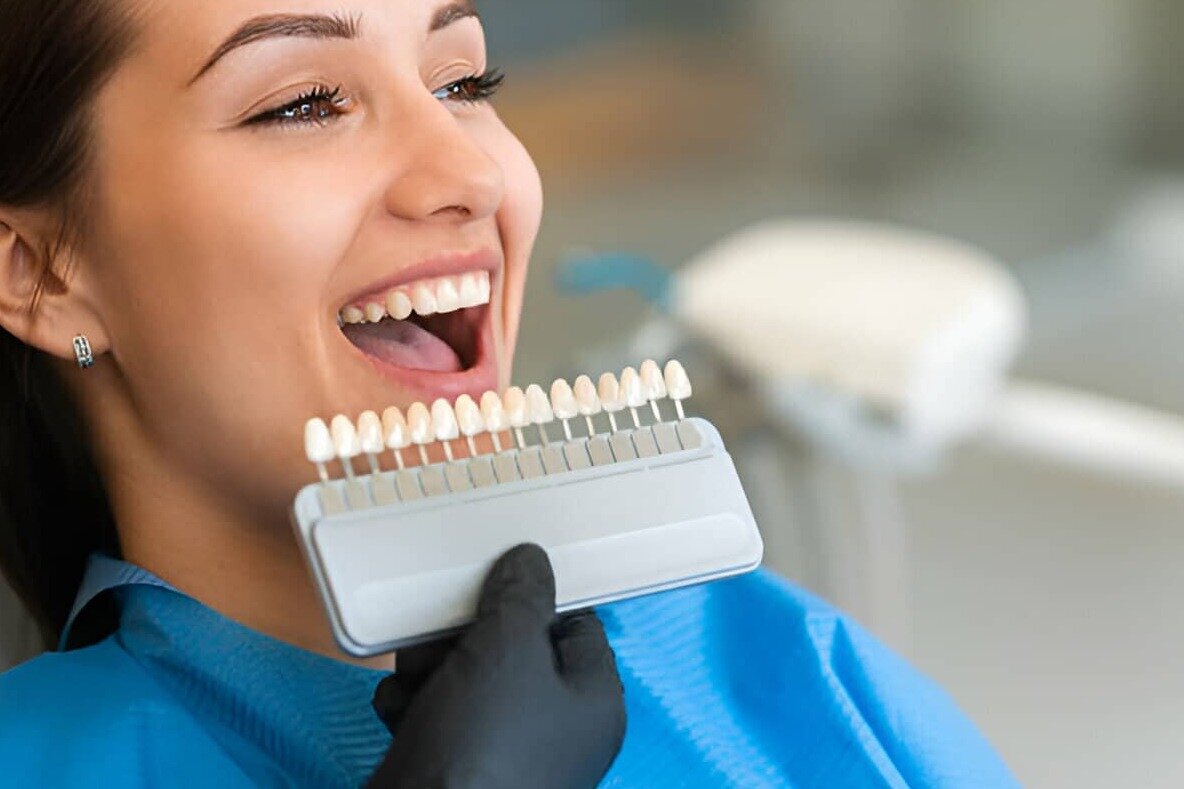
Some stains do not respond well to traditional whitening treatments. Deep discoloration caused by medications, trauma, or aging can remain visible no matter how many whitening products are used. Veneers provide a solution by covering the surface of the tooth entirely. The color is chosen during treatment planning, allowing the dentist to create a brighter and more even smile. Because porcelain veneers resist staining, the results tend to remain consistent over time with proper care.
3. Creating a Natural-Looking Smile
A common concern with cosmetic dental work is whether it will look obvious. Dental veneers are designed to look natural when properly planned and placed. Dentists carefully select the size, shape, and shade of each veneer to match the patient’s facial features and existing teeth. Modern materials reflect light in a way that closely resembles natural enamel. Once bonded, veneers sit flush with the tooth surface, making them difficult to distinguish from natural teeth during normal conversation or smiling.
4. Offering Long-Term Durability
Porcelain veneers are made from strong materials that can handle everyday biting and chewing. When properly cared for, veneers can last many years without needing replacement. Daily brushing, flossing, and routine dental visits help maintain their condition. Avoiding habits like biting fingernails or using teeth to open objects also helps preserve veneers. Compared to repeated cosmetic treatments, veneers are often considered a long-term solution rather than a short-term fix.
5. Requiring Minimal Tooth Removal
One of the practical benefits of veneers is that the procedure is conservative. Only a small amount of enamel is removed from the front of the tooth to allow the veneer to sit properly. This is significantly less tooth reduction than what is required for dental crowns. In many cases, the procedure does not require extensive anesthesia, and recovery time is minimal. The final result is visible shortly after placement, which appeals to patients looking for efficient improvement.
6. Simple Daily Care and Maintenance
Veneers do not require special cleaning products or complicated routines. Normal brushing and flossing are usually enough to keep them in good shape. Dentists often recommend non-abrasive toothpaste to avoid surface wear. Regular dental cleanings help ensure the veneers and surrounding gums stay healthy. Because veneers resist staining, maintaining a consistent smile color is easier compared to natural enamel, especially for those who drink coffee or tea.
7. Protecting Teeth With Weak or Worn Enamel
Enamel can wear down due to acid exposure, aggressive brushing, or medical conditions such as acid reflux. Once enamel is lost, it cannot be restored naturally. Veneers act as a protective covering for teeth with weakened enamel. This added layer helps reduce sensitivity and prevents further wear. For patients experiencing enamel erosion without severe decay, veneers can provide both cosmetic improvement and functional support.
8. Addressing Minor Alignment and Spacing Issues
Veneers can be used to improve the appearance of slightly crooked teeth or small gaps without orthodontic treatment. While they do not physically move teeth, veneers can create the appearance of a more even smile by adjusting tooth shape and width. This option is often chosen by people with mild cosmetic concerns who want faster results than braces or clear aligners can provide.
9. Boosting Confidence in Everyday Situations
Concerns about tooth appearance can affect social interactions, work settings, and personal confidence. Veneers help create a more consistent and polished smile, which can reduce self-consciousness. When teeth look even and healthy, people often feel more comfortable speaking, smiling, and being photographed. While veneers are not a solution for every dental issue, they can make a noticeable difference for the right candidate.
The Bottom Line
Dental veneers offer a practical way to improve the appearance of teeth while preserving much of the natural tooth structure. They can address discoloration, minor damage, uneven spacing, and enamel wear in a controlled and predictable way. Veneers are designed to look natural, last for years, and fit into a regular oral hygiene routine. For those considering cosmetic improvements without extensive procedures, veneers are worth discussing with a qualified dentist who can evaluate overall oral health and long-term goals.
Replies