9 Myths About Bunions That Should Be Addressed ASAP
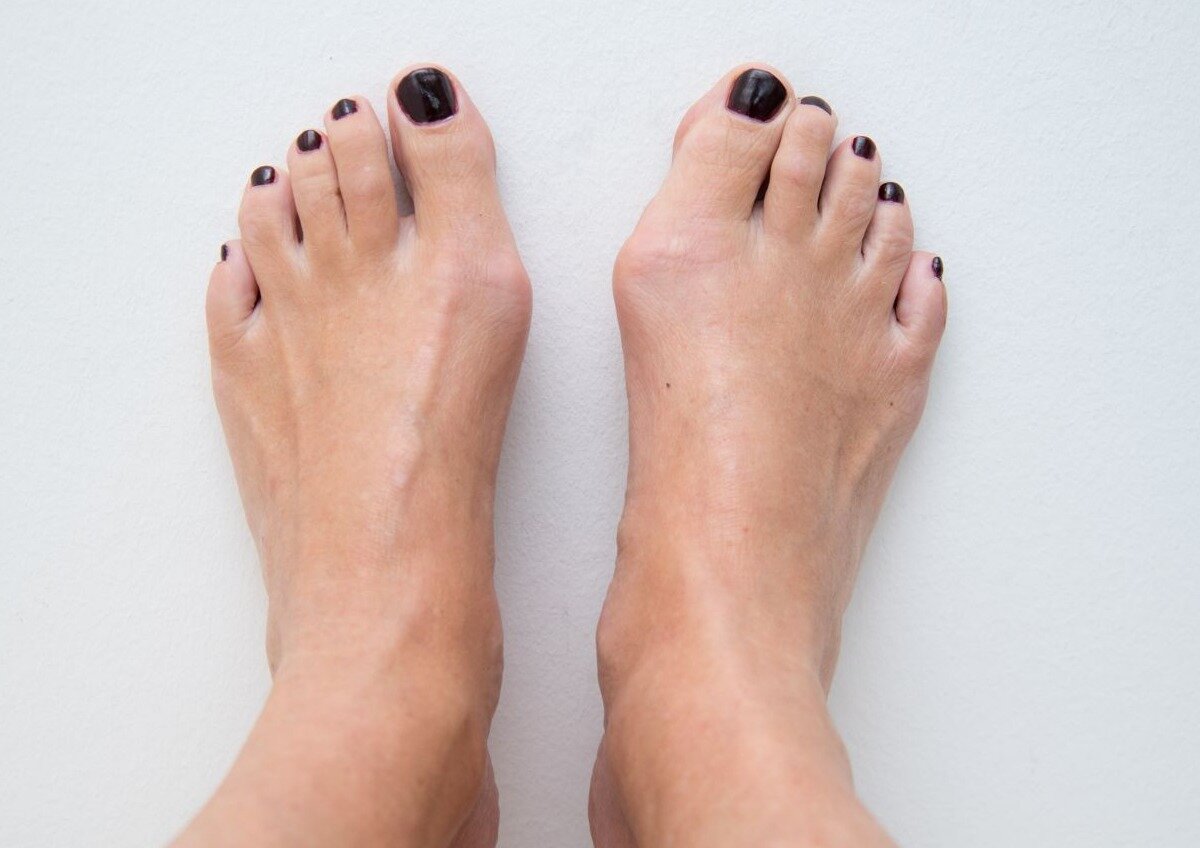
A bunion is a common foot issue that affects a significant percentage of people. Unfortunately, many myths surround this condition, making it difficult for people to fully understand how to control and treat it correctly. Here are nine myths about bunions that you should be aware of.
Myth #1: Bunions only affect women who wear high heels
Bunions can impact anyone, regardless of gender or age. Women, on the other hand, are more prone to bunions due to the shape of their feet and the shoes they wear. However, you should know that shoes with high heels can aggravate the condition by putting extra weight on the toes and changing the foot mechanics.
Myth #2: Bunions are caused by poor hygiene
Bunions are not the result of poor hygiene. Keeping the feet clean and fresh, on the other hand, can help avoid other problems such as infections or odor. Poor foot hygiene can also aggravate pre-existing foot issues such as athlete's foot or toenail infection.
Myth #3: Bunions are just a cosmetic problem
While some people are concerned about the look of a bunion, it is essential to remember that it can cause significant pain and discomfort. Bunions can also cause other foot issues like corns, calluses, and hammertoes. These conditions can make choosing comfortable shoes even more challenging and have an effect on general foot health.
Myth #4: Surgery is a complete cure for bunions
Bunion surgery may be the only option for those who have tried and failed with conservative treatment options. Although surgery can help realign the toe joint and relieve pain, the problem can reoccur. It's essential to remember that surgery comes with its own set of risks and recovery time, so it should be thoroughly reviewed in consultation with a foot doctor.
Myth #5: Bunions only occur on the big toe
While the big toe is the most prevalent location for bunions, other toes are also susceptible to them. A bunionette or tailor's bunion is a bunion on the small toe. These smaller bunions can still cause pain and should be addressed in the same way as a bunion on the big toe.
Myth #6: Bunions only affect older people
While bunions are more common in elderly people, they can occur in younger people as well. Bunions are frequently hereditary, which means that if a family member has them, you are more likely to acquire them as well, regardless of age since you may inherit the same foot structure.
Myth #7: Wearing tight shoes causes bunions
Tight shoes can aggravate bunions, but they are not the only reason. In many instances, the structure of the foot or underlying diseases such as arthritis can lead to the development of bunions. But it's crucial to keep in mind that wearing shoes that are too tight or too narrow can put excessive pressure on the toes and feet, increasing the possibility that bunions will develop or worsen.
Myth #8: Bunions can be treated with home remedies
Although home remedies can help relieve the discomfort and pain caused by bunions, they are not a replacement for professional medical treatment. Over-the-counter pain relievers and ice or heat therapy can help control pain, but these therapies will not heal the disease. Depending on the seriousness of the problem, proper medical care may include physical therapy, orthotics, or surgery.
Myth #9: Bunions will go away on their own
Bunions are a chronic disease, which means they will not go away on their own. They may become worse over time and lead to further problems if left untreated. By seeking expert assistance as soon as possible, you can reduce your pain, stop the condition from getting worse, and protect your foot from further damage.
Replies