8 Ways to Keep Your Pearly Whites Sparkling Until Your Next Cleaning
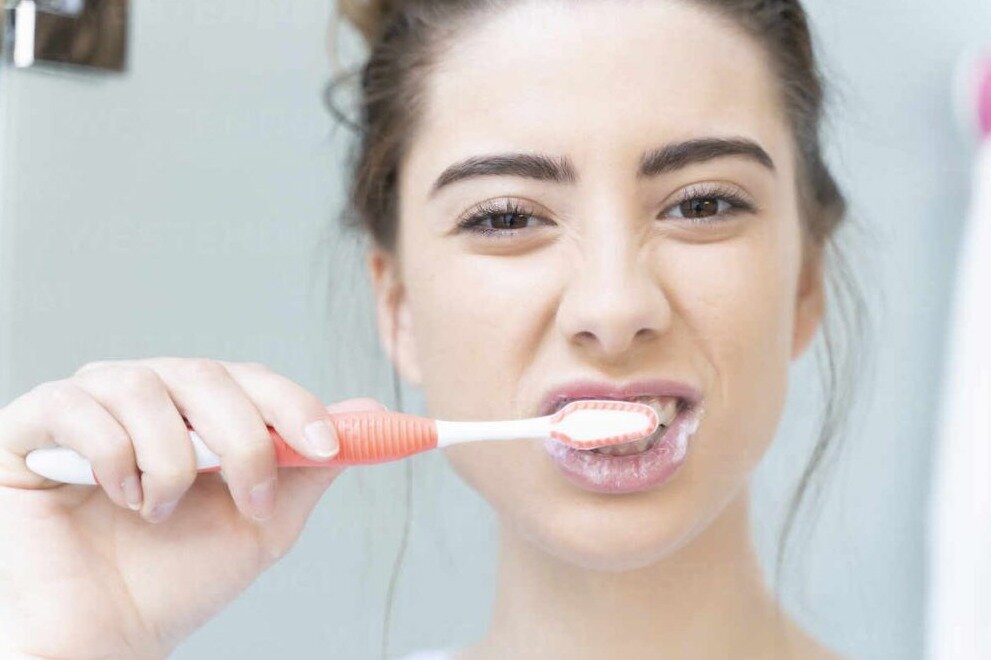
Professional dental cleanings play a major role in preventing cavities, gum disease, and long-term oral health problems. They remove hardened plaque and tartar that brushing and flossing cannot reach. However, cleanings are usually done only once or twice a year. What you do between appointments has a big impact on how healthy your teeth and gums stay. Daily habits can either protect your smile or slowly damage it. If you want to avoid problems before your next dental office visit, proper at-home care is essential.
1. Chew sugar-free gum after meals
Brushing after every meal is ideal, but it is not always possible. Chewing sugar-free gum can help when brushing is not an option. It increases saliva production, which helps wash away food particles and neutralize acids in the mouth. Saliva also helps control bacteria that cause cavities. Gum that contains xylitol is especially helpful because it reduces harmful bacteria and helps keep your breath fresh.
2. Stop smoking to protect your oral health
Smoking negatively affects both your teeth and gums. It weakens your mouth’s ability to fight infection and allows plaque to build up faster. Smokers are at a higher risk for gum disease, tooth discoloration, bad breath, and tooth loss. Smoking also increases the risk of oral cancer. Quitting smoking improves blood flow to the gums and helps your mouth heal and stay healthier over time.
3. Avoid brushing too hard
Brushing harder does not mean cleaning better. Aggressive brushing can wear down tooth enamel and irritate your gums. Over time, this can lead to gum recession, tooth sensitivity, and a higher risk of decay near the gumline. Use a soft-bristled toothbrush and gentle pressure. Slow, controlled movements are safer and more effective for long-term dental health.
4. Limit soda and acidic drinks
Soda and acidic beverages contain ingredients that weaken enamel. Phosphoric and citric acids slowly damage the outer layer of your teeth, making them more vulnerable to cavities. Drinking soda regularly exposes your teeth to repeated acid attacks throughout the day. If you drink soda occasionally, rinse your mouth with water afterward and wait before brushing to avoid further enamel damage.
5. Eat foods that help reduce plaque
Certain foods can support oral health while you eat them. Crunchy fruits and vegetables, such as apples, carrots, celery, and even plain popcorn, increase saliva flow and help remove food particles from tooth surfaces. These foods do not replace brushing or flossing, but they can help reduce plaque buildup when brushing is delayed.
6. Reduce sugar intake
Sugar feeds bacteria that produce acids in the mouth. These acids damage enamel and irritate the gums, increasing the risk of cavities and gum disease. You do not need to eliminate sugar completely, but reducing how often you consume it can make a big difference. When you do eat sweets, brush and floss afterward whenever possible or rinse your mouth with water.
7. Floss every day
Flossing cleans areas that a toothbrush cannot reach, especially between teeth and under the gumline. These areas are common starting points for cavities and gum disease. Daily flossing helps remove plaque and food particles that brushing misses. Use gentle movements and avoid snapping the floss, which can harm the gums.
8. Use proper brushing technique
Brushing technique matters as much as how often you brush. Hold your toothbrush at a 45-degree angle toward the gumline and use gentle, circular motions. Brush all surfaces of each tooth, including the front, back, and chewing surfaces. Spend at least two minutes brushing twice a day to maintain good oral hygiene between professional cleanings.
Replies