8 Health Benefits of Dairy That Might Surprise You
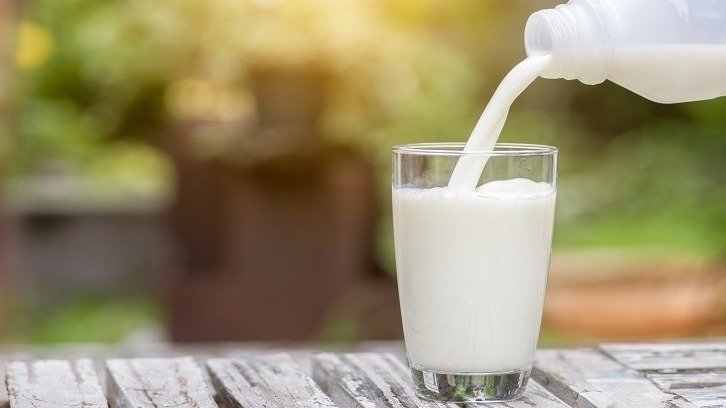
Dairy products are controversial these days. Some people believe that dairy is linked to acne, indigestion, and other health problems, while others are sure that milk products can improve the gut microbiome and strengthen bones. What’s more, none of these people are wrong. Those who have lactose intolerance can actually get digestive issues and skin problems if they consume dairy products regularly.
But if you’re one of those who tolerate milk-based foods and drinks, you can benefit from consuming them. Keep reading to find out surprising facts about dairy products:
1. Dairy products are suitable for people with gluten intolerance
Since dairy products don’t contain gluten, even those blue cheeses that are made using the traditional technique of growing penicillium roqueforti on bread loaves, people who suffer from gluten intolerance, and those who have gluten sensitivity can consume milk products regularly.
2. Dairy can keep you full longer
Thanks to a high protein and fat content, cheese will keep you satiated longer. That’s especially beneficial for those who want to get rid of extra pounds. According to a 2013 study, children who snack on cheese along with veggies, tend to consume 70 percent fewer calories than children who eat foods rich in fast carbs.
3. People with lactose intolerance can still eat cheese
Aged cheeses, such as Parmesan, Asiago, and blue cheese, don’t contain lactose at all. Even those who suffer from lactose intolerance can consume aged cheeses since the lactose has been converted by bacteria to lactic acid. Plus, all natural cheeses almost don’t have lactose due to the fact that most of the milk sugar is removed when the curds are separated from the whey.
4. Regular consumption of milk products can help you prevent tooth decay
People who are prone to dental problems can benefit from consuming dairy. That’s because eating cheese prevents acid secretions from clinging to the teeth. Phosphate and calcium from cheese diffuse into the bacterial colonies and block acid production. So, this can help you prevent multiple cavities and root canals.
5. Some cheeses possess anti-inflammatory effects
Experts have found that blue cheese possesses anti-inflammatory effects which can help lower the risk of heart disease. However, scientists say that the health benefits might be connected with the qualities of molded and fermented cheeses, so try adding other types of cheese such as Camembert into your diet.
6. Dairy can help you combat insomnia
If you experience difficulty falling asleep or have other sleep problems like insomnia, try eating more dairy. A protein that naturally occurs in milk might boost sleep quality and next-day alertness. Plus, tryptophan increases melatonin and serotonin levels. Both of these hormones help promote a good night’s sleep. So, consider consuming milk, yogurt, or cheese in the evening, as they are easy to digest and high in calcium, which promotes transforming tryptophan into melatonin.
7. Dairy is a great source of protein
Chicken and beans are excellent sources of protein, however, cheese is packed with protein as well. Harder cheeses such as parmesan, have higher amounts of protein than softer cheeses.
8. Consuming cheese and fermented dairy products can lower your risk of type 2 diabetes
A 2012 study from the American Journal of Clinical Nutrition has shown that eating at least 55 g of cheese a day (about two slices), can lower the risk of developing type 2 diabetes by 12 percent (as compared with people who don’t consume cheese). Scientists suggest this might be due to the fact that probiotic bacteria found in cheese and yogurt can lower the levels of cholesterol and create certain vitamins that protect the body from diabetes.
Replies