8 Essential Things to Know About Spinal Reconstructive Surgery
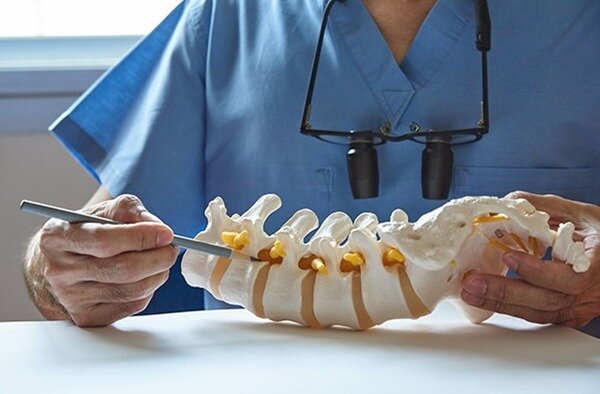
Spinal reconstruction surgery may be required for patients who have a major deformity or misalignment of the spine.
The procedure corrects significant spinal deformities, stabilizes the newly shaped spine with rods and pins, and fuses the vertebrae together at multiple levels of the spine. In some cases, the entire vertebrae are removed and artificial devices are used to replace the diseased segment. Scoliosis, spondylolisthesis, and kyphosis are the most common conditions treated with spinal reconstruction.
Neurosurgeons use a variety of surgical techniques during spinal reconstruction, depending on the extent of the deformity.
1. Spinal reconstructive surgery fuses vertebrae
The surgical joining or fusing of two vertebrae in the spine is known as spinal reconstructive surgery, also known as spinal fusion. The procedure eliminates vertebral movement, resulting in a single, solid bone. Spinal reconstructive surgery can help a damaged, deformed, or diseased spine regains pain-free function. The goal of surgery is to relieve symptoms and return each affected vertebra to its normal anatomy and height.
2. It treats chronic pain
Spinal reconstructive surgery is used to treat chronic pain caused by a variety of spine diseases and conditions, including spinal injury, spinal stenosis (narrowing of the spinal column), spondylolisthesis (misaligned vertebrae), scoliosis (abnormal spine curvature), a weak or unstable spine, and a herniated disc. When less invasive treatments fail, spinal reconstructive surgery is usually recommended.
3. It uses bone grafts and artificial materials
The surgeon uses a bone graft to fuse the vertebrae during spinal reconstructive surgery. The graft material may be derived from a bone bank, your own bone (typically from your hip), or synthetic or artificial materials. The bone graft material is applied to your vertebrae in strips or packed into a special cage that fits between your vertebrae. To hold the vertebrae in place, the surgeon may use screws, rods, or plates.
4. Surgery can be minimally invasive
You might be able to benefit from minimally invasive back surgery. When compared to an open surgical approach, this type of back surgery requires less recovery time and poses a lower risk of infection. In contrast to open surgery, the surgeon inserts surgical tools and a special camera through smaller incisions. The extent and location of spinal disease or deformity influence the decision between open and minimally invasive surgery.
5. You might have other procedures during surgery
Other procedures may be carried out before or after spinal reconstruction surgery. A discectomy may be performed if you have a degenerated, herniated, or ruptured spinal disc. If your spinal canal is narrow, your doctor may recommend a foraminotomy or laminectomy to reduce pressure on the spinal canal and nerves. A foraminotomy enlarges the opening through which the nerve roots exit the spinal canal. The back part of each vertebra is removed during a laminectomy to expand the spinal canal.
6. Surgery carries the risk of nerve damage
All surgeries carry some risks, including the possibility of an allergic reaction, bleeding, infection, or the formation of a blood clot. Nerve and blood vessel damage are additional risks of spinal reconstructive surgery. There is also no guarantee that the surgery will significantly alleviate your pain. Some people may require additional surgeries.
7. Your spine might become less flexible
Recovery from spinal reconstructive surgery takes time. It may take several months for your body to form enough bone around the graft to fuse the vertebrae and stabilize your spine permanently. Your spine will be less flexible in the area where the bones fused for the rest of your life. Certain activities may be prohibited for a period of weeks to months. To aid in your recovery, your doctor will most likely recommend an exercise rehabilitation program.
8. Protect your spine after surgery
Spinal reconstructive surgery may be able to cure your condition or significantly reduce your symptoms, allowing you to resume an active lifestyle. However, spinal reconstructive surgery will not protect your spine from future damage or other conditions like osteoporosis (weakening bones). Consult your neurosurgeon or orthopedic surgeon about ways to avoid future spine problems.
Replies