8 Common Myths About Bunions
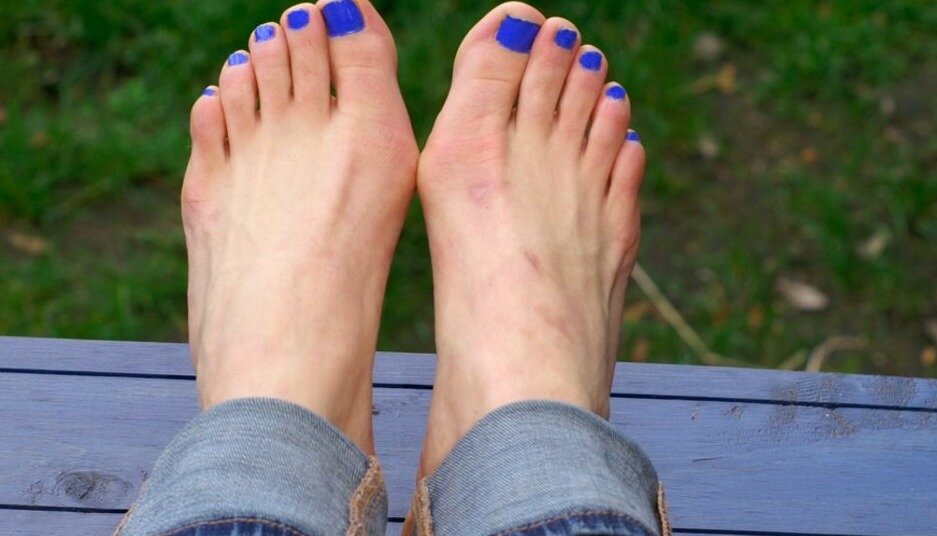
A bunion is a common orthopedic problem affecting women and men of all ages. It usually refers to a misalignment of the big toe, where it bends outward and a noticeable bump forms at the base of the toe. Despite its prevalence, many myths persist about this condition. These misconceptions often prevent those affected from seeking medical help and receiving the correct treatment in time. In this article, we have gathered eight of the most common myths about bunions.
1. A bunion is just a cosmetic issue
Many people believe that a bump on the foot is purely aesthetic. In fact, a bunion is an orthopedic condition that affects the joints, ligaments, and muscles of the foot. In the early stages, the appearance of the foot may be the only concern. As the condition progresses, pain, inflammation, redness, and swelling develop in the base of the big toe.
Over time, the pressure distribution in the foot changes, which can lead to pain in the knees, hips, and even the lower back. Ignoring the problem just because it doesn't hurt is a serious mistake.
2. Bunions only occur in older people
A bunion is generally considered an age-related condition. However, it can also occur at a young age, especially if predisposing factors are present:
- Heredity
- Flat feet
- Wearing tight or uncomfortable shoes
- Prolonged standing
- Being overweight
Some people notice the first signs of the deformity as early as their 20s or 30s. The earlier the diagnosis is made, the easier it is to slow the progression of the condition.
3. High heels are solely to blame
Indeed, tight shoes and high heels increase the pressure on the forefoot and can contribute to the development of the deformity. However, it is incorrect to claim that shoes alone are the cause of the problem. Inherited ligament weakness and foot structure often play a significant role. In this case, shoes are merely a trigger, not the sole cause.
4. Orthotic devices completely correct the deformity
Many orthopedic aids are available commercially: night splints, silicone spacers, bandages, and orthoses. Manufacturers often promise complete toe straightening without surgery. In fact, such aids can:
- Relieve pain
- Reduce friction in shoes
- Slow the progression of the deformity
However, in severe cases, they can’t return the joint to its anatomically correct position. Radical correction of advanced cases is only possible through surgery. Consulting an orthopedic surgeon is important before using any orthopedic aids. You can search for "foot doctor near me" for proper diagnosis and treatment.
5. No pain means no treatment
This is one of the most dangerous misconceptions. A bunion can persist for a long time without significant pain. However, being pain-free does not mean that progression is not taking place. Over time, the toe angle increases, the joint deteriorates, and osteoarthritis can develop. Treatment in the early stages is significantly easier and more effective than in advanced stages.
6. Bunions only affect women
Indeed, women are more frequently affected by this problem, mainly due to the nature of their footwear. However, men can also develop bunions, especially if they have flat feet or a hereditary predisposition. Men are less likely to seek medical help in the early stages, which creates the impression that it is a purely female phenomenon.
7. Surgery is always lengthy and very painful
Modern orthopedics has made significant progress. Today, minimally invasive surgical correction methods are used, which allow for:
- Reduced trauma
- Shorter rehabilitation time
- Pain relief
After bunion surgery, the patient usually begins walking carefully within a few days, wearing special shoes. Complete recovery takes several weeks or months, depending on the severity.
8. Massages and home remedies can completely cure bunions
Numerous tips can be found online: compresses, cabbage leaves, and herbal baths. These methods can temporarily relieve inflammation or discomfort, but they don’t correct the anatomical misalignment of the joint. It is essential to understand that bone displacement cannot be dissolved. Self-medication can lead to a waste of time and a worsening of the condition.
Replies