7 Unexpected Causes of Sleep Apnea You Might Not Know
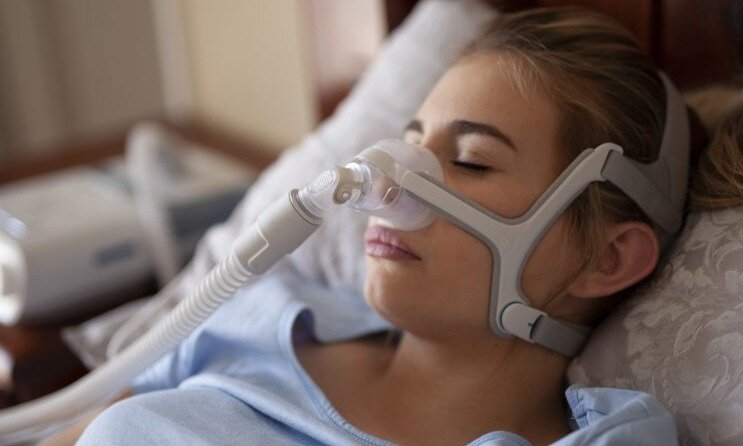
Despite being common, sleep apnea can also be potentially dangerous. According to research published in August 2016 in the Journal of Clinical Sleep Medicine, nearly 30 million people in the United States have sleep apnea.
People with sleep apnea have interruptions in breathing that can last 10 or more seconds and repeat repeatedly throughout the night. This oxygen deprivation affects healthy sleep and lowers blood oxygen levels, which can all lead to serious health issues, according to the National Heart, Lung, and Blood Institute.
This constant disruption of the normal sleep cycle can leave a person experiencing fatigue and sleepiness during the day, as well as put them at higher risk of health issues linked to a lack of sleep and reduced blood oxygen levels, such as irritability, memory issues, depression, and anxiety. However, these disruptions are usually so short, that most people don’t even realize they’ve been awoken during the night.
Sleep apnea tends to affect older, heavier people, or those with large necks. Let’s look at some surprising reasons for sleep apnea:
1. Smoking
Smokers have an increased chance of getting obstructive sleep apnea. Smoking causes inflammation in the upper airway, which can interfere with breathing and the brain's communication with the muscles that govern breathing.
2. History of stroke
If you’ve ever had a stroke, you have an increased risk of sleep apnea, however, scientists still don't know the root cause of this link. Nearly three-quarters of stroke patients suffer sleep apnea, and the condition also increases the risk for stroke. A history of stroke might lead to sleep apnea, however, it might also be the culprit of a stroke, according to the American Heart Association. Sleep apnea contributes to low oxygen levels and hypertension, both of which can increase one’s risk of a future stroke.
3. Asthma
Asthma research has discovered a relationship between the risk of obstructive sleep apnea and asthma. Patients with asthma are more prone to develop sleep apnea, according to research. Moreover, symptoms of one disorder (especially poorly controlled symptoms) might exacerbate symptoms of the other. The link between the two disorders is reciprocal: sleep apnea can aggravate asthma, and asthma can aggravate sleep apnea.
4. Jaw misalignment
An imbalance in facial anatomy caused by jaw misalignment can cause the tongue to sit further back in the mouth, resulting in sleep apnea. Obstructive sleep apnea can be caused by a lower jaw that is shorter than the upper jaw, or a palate (the roof of your mouth) that is shaped a certain way and collapses more easily during your sleep.
5. Heart failure
People with heart failure are more likely to have both obstructive and central sleep apnea. Heart failure can cause sodium and water retention, and medical experts believe the extra fluid may enter the lungs at night, causing obstructive apnea. Heart failure appears to be linked to issues with the respiratory control system, which could be a contributing factor in central sleep apnea.
6. Opioid pain relievers
Benzodiazepines and opioids can dull the neurological communication that occurs between the brain and the body to regulate breathing. As a result, these medications decrease airway muscle activity, which can lead to sleep apnea.
7. Diabetes
People with type 2 diabetes are 48 percent more likely than those without diabetes to be diagnosed with obstructive sleep apnea, according to a study published in the journal Diabetes Care in 2019. It's possible that being overweight or obese has something to do with it. However, the researchers point out that insulin resistance in diabetes may increase the risk of apnea on its own, just as inflammation from apnea may increase the risk of diabetes.
Replies