7 Surprising Causes of Joint Pain
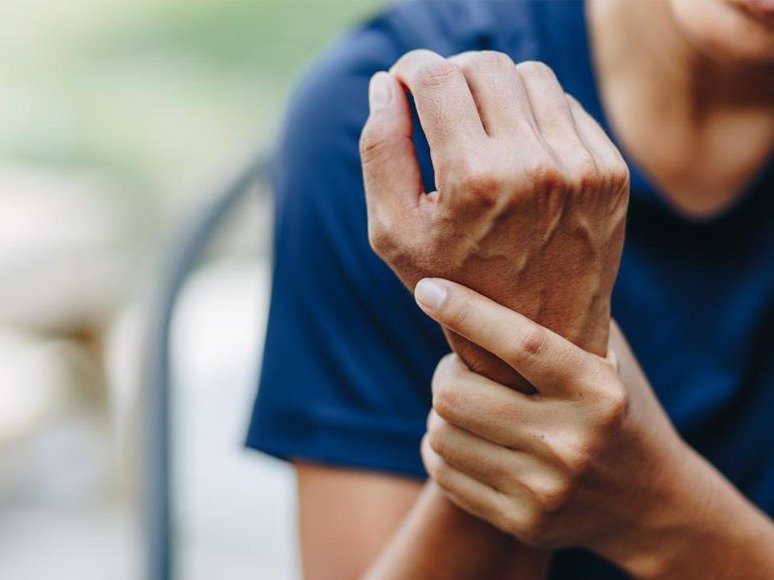
Joint pain may appear for various reasons. It can be a symptom of certain diseases such as arthritis or fibromyalgia. Joint pain may vary from mild to severe and cause unpleasant feelings like burning in one or several joints. It can also be accompanied by swelling, stiffness, and warm skin. However, even healthy people may experience joint pain due to some reasons.
Below you will find 7 surprising triggers that may cause joint pain even in healthy people.
1. Lack of physical activity
It is crucial to stay active during your whole life. Thus, you may prevent joint pain and other dangerous health conditions. Lack of physical activity makes your muscles weaker. By strengthening muscles near the joint you are increasing their flexibility and range of motions. This may significantly reduce the risk of joint pain.
2. Weather
If you suffer from chronic conditions like arthritis then you have probably noticed that weather changes can make you feel joint pain or stiffness. Changes in atmospheric pressure make the body expand causing pressure to nerves that control pain signals. For this reason, some people who are extremely sensitive to atmospheric pressure may feel joint pain primarily to certain weather changes such as a storm.
Temperature changes may also affect your joints. Temperature changes may contribute to dehydration that results in poor joint lubrication. Thus, joints become inflamed causing back, shoulder, and knee pain. Proper body hydration may decrease your risk of degeneration and damage to your joints.
3. Smoking
Smoking has many negative health effects including joint pain. Nicotine is a vasoconstrictor that affects circulation. This may contribute to oxygen and nutrient starvation in the muscles that protect and support your joints. Thus, your joints become vulnerable to injuries and pain. Cigarettes increase the risk of knee, back, and hip pain.
4. Anxiety
Joint pain is one of the symptoms of anxiety. Anxiety is the excessive fear that results in behavioral and functional disturbances. This disease may cause a condition called stress inflammation. Anxiety increases the number of pro-inflammatory cytokines in the body. Being exposed to this protein during a long time may cause overall inflammation of the body. As a result, your joints become inflamed and swollen. This will ultimately lead to joint paint.
5. Excess weight
Excess weight is a factor that significantly increases your risk of joint pain. It puts more pressure on your joints, especially in the lower part of your body. Each pound that you gain adds a few pounds of pressure on the knee joints. For this reason, people with excess weight run the risk of developing osteoarthritis and joint pain.
Maintaining healthy body weight is also crucial for overall health. If your body mass index is over 30 you need to make adjustments to your diet and increase physical activity. A healthy diet and exercise will also be beneficial for your joints.
6. Alcohol
The use of alcohol, even if you consume it in moderation, can worsen or cause joint pain. Alcoholic drinks deplete the body of water and nutrients. This increases the risk of inflammation and pain in your joints. Since alcohol forces your body to lose water it also causes dehydration in your joints. Lack of lubrication makes it impossible for your joints to move smoothly and function properly.
It is important to reduce alcohol consumption and drink enough water to prevent dehydration. Thus you may reduce the risk of joint pain and joint-related diseases.
7. Depression
Depression may lower your pain tolerance and increase the inflammation through the body. Depression also affects your immune system and decreases its ability to resist infections. People with depression have higher CRP levels (a blood test marker for inflammation) compared to those with no depression symptoms. All these factors make a person with depression more vulnerable to arthritis and joint pain.
Replies