7 Potential Reasons For an MRI of the Brain
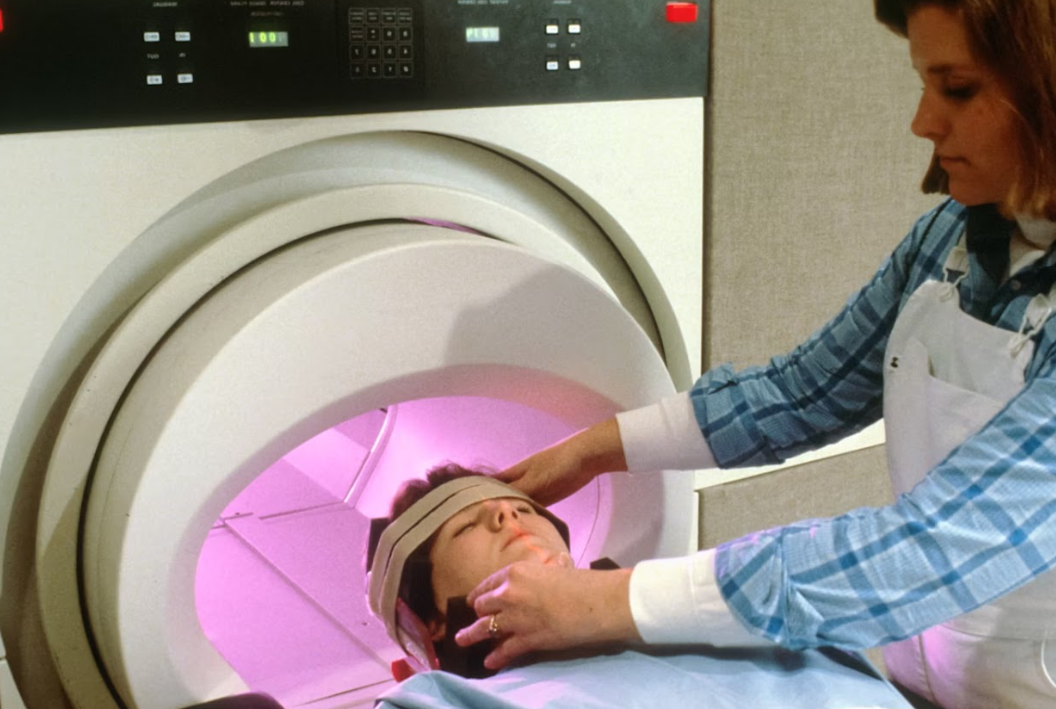
MRI of the brain is used to diagnose a wide range of diseases affecting the brain and spinal cord. While many brain disorders are serious or life-threatening, it is crucial to understand that an MRI of the brain is not anything to be afraid of. It's a helpful technique that can help your medical team identify possible problems and provide treatment before they become more serious.
What Is an MRI of the Brain?
So, what exactly is brain MRI? Let's break it down a little. The abbreviation MRI stands for magnetic resonance imaging, a form of imaging scan that employs magnets and radio waves to produce detailed pictures of the body.
An MRI of the brain employs non-invasive technology to provide a comprehensive image of your brain, including the brainstem and pituitary gland. These scans offer your medical team extremely significant information about the appearance of your brain as well as any medical issues that may influence it.
Are you wondering how an MRI of the brain differs from a brain CT scan? Both are standard imaging examinations, however, CT scans employ radioactive X-rays to create pictures, whereas MRIs use radio waves.
What an MRI of the Brain Can Detect?
An MRI of the brain may be ordered by your doctor for a variety of reasons, but it is most commonly used to swiftly confirm or verify a diagnosis of a brain-related medical issue requiring immediate care.
While a brain MRI can reveal anomalies such as tumors, long-term effects of injury or trauma, hemorrhage, edema, cysts, and more, it is also occasionally used to get an accurate representation of the brain in order to establish a diagnosis of non-emergency medical problems affecting the brain, such as ADHD. While the use of an MRI of the brain in mental health is still being investigated, there is some evidence that the procedure can be beneficial.
An MRI of the brain is commonly used to identify the following medical conditions.
1. Aneurysms or hemorrhages
An MRI of the brain can reveal aneurysms and hemorrhages in the brain, both of which are potentially fatal. A brain aneurysm is a weak, bulging region in the wall of an artery in the brain. A ruptured aneurysm can cause brain damage, a stroke, or even death.
An MRI of the brain can potentially reveal hemorrhages or other problems with blood flow. Improper blood flow through the brain can deprive it of essential oxygen, contributing to stroke or brain injury.
2. Brain edema
Brain edema is the swelling or inflammation of the brain. This inflammation often indicates that something or item is exerting greater pressure in your brain. This inflammation often indicates that something or item is exerting greater pressure in your brain. This can be painful and uncomfortable, and it can also lead to other health problems.
3. Cyst or tumor
An MRI can be used to identify brain cysts and malignancies. Cysts and tumors are both abnormal growths that can be benign or malignant.
4. Traumatic brain injury
Traumatic brain injuries, or TBIs, can range in severity. A brain MRI allows experts to determine the location of the damage and the extent of the injury's impact, such as bleeding or edema.
5. Hydrocephalus
Hydrocephalus develops when there is an excess of fluid in the brain. While some fluid is required to preserve your spinal cord and brain, an excessive amount can be harmful. Excess fluid exerts pressure on the brain's tissues, preventing it from working correctly and potentially fatal.
6. Multiple sclerosis
Multiple sclerosis, or MS, is a degenerative illness that affects the brain and central nervous system. With MS, the immune system rebels and destroys the protective sheath that surrounds nerve ends. An MRI of the brain is commonly used to confirm a multiple sclerosis diagnosis and assess its severity and progression.
7. Spinal cord disorders
Spinal cord injuries are frequently the outcome of a severe accident. Because soft tissue injuries, such as those surrounding the spinal cord, may not show up well on radioactive scans like CT, an MRI of the brain can be utilized to adequately evaluate an injury and decide the next stages in therapy.
Stroke occurs when blood circulation to a portion of the brain is interrupted or obstructed. This affects the flow of oxygenated blood to your brain, which can cause brain tissue to die within minutes.
Brain MRI can detect damaged brain tissue caused by an ischemic stroke or a brain hemorrhage and establish the best course of action for prompt care.
Replies