7 Myths About Retinal Detachment
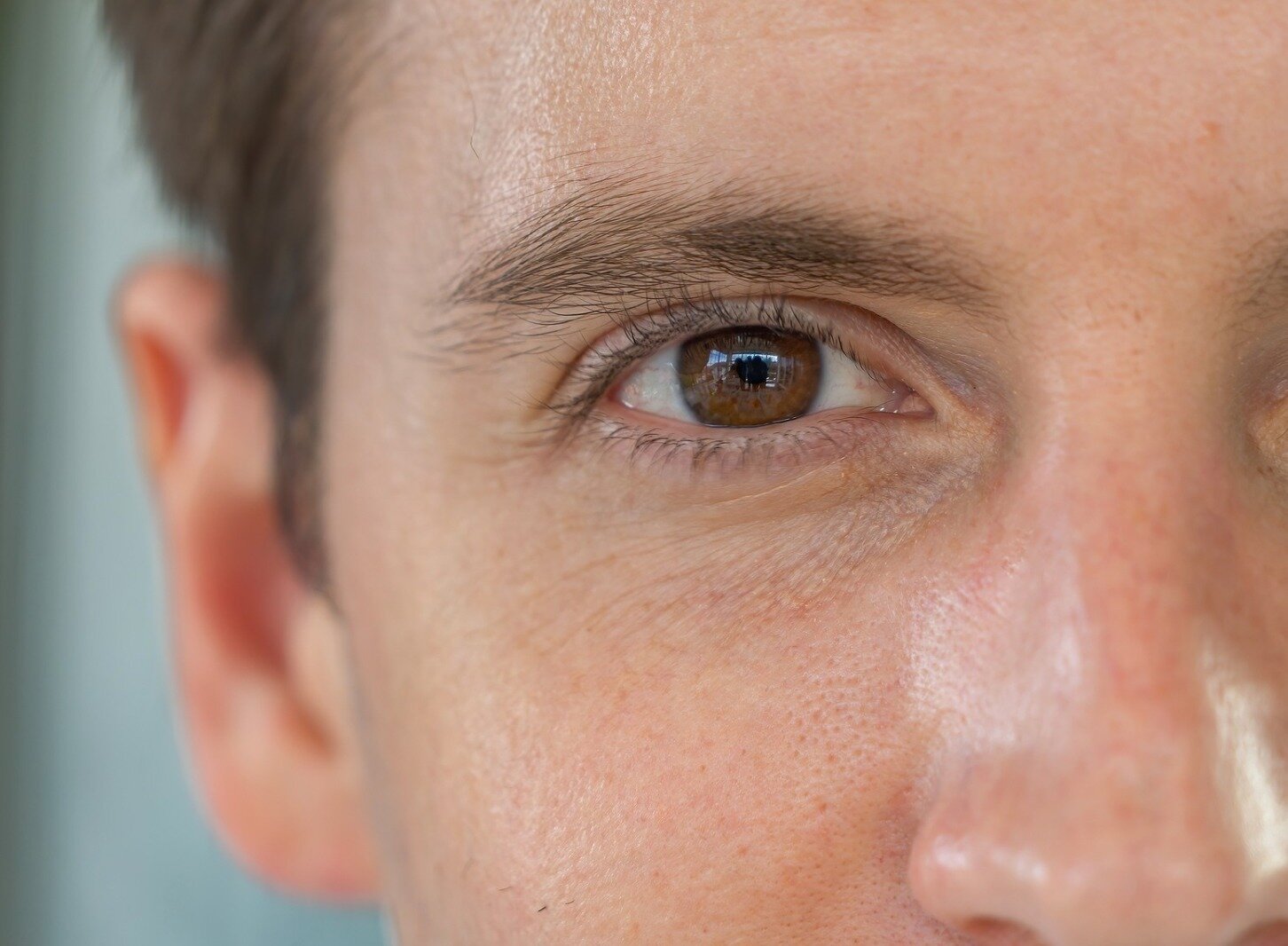
The retina is the thin, light-sensitive layer of the eye that plays a key role in vision. If the retina detaches from the back of the eye, its cells are no longer adequately supplied with nutrients and oxygen. Without immediate treatment, this can lead to irreversible vision loss. Despite the seriousness of the problem, many myths about retinal detachment circulate, causing warning signs to be ignored and a visit to the doctor to be delayed. In this article, we address seven common myths about retinal detachment and explain why you shouldn't believe them.
1. Retinal detachment only affects older people
Many believe that retinal problems only occur with age. In fact, retinal detachment can occur at any age. Although the risk increases after the age of 50, there are other factors that can trigger the condition. These include:
- Severe nearsightedness
- Eye trauma
- Diabetes
- Previous eye surgery
- Hereditary predisposition
Sometimes, retinal detachment is even diagnosed in young people and athletes after a blow to the head or eye. Therefore, it is important to pay attention to any changes in vision, regardless of age.
2. If it doesn't hurt, everything is fine
One of the most dangerous misconceptions is the assumption that serious eye conditions are necessarily accompanied by eye pain. In fact, retinal detachment is usually painless. This is why many affected individuals hesitate to seek medical help. Common symptoms include:
- Flashing lights before the eyes
- Appearance of floaters (visual opacities)
- A feeling of a shadow or curtain at the edge of the field of vision
- Sudden deterioration of vision
Since there is usually no pain, the symptoms can be ignored for weeks. However, the longer the retina remains detached, the higher the risk of irreversible vision loss.
3. Retinal detachment always leads to blindness
This myth causes many people to panic after receiving a diagnosis. In fact, modern treatment methods can successfully restore the retina in many cases. A prompt examination by an ophthalmologist is crucial.
If retinal detachment surgery is performed early, the chances of preserving vision are significantly higher. However, if retinal detachment is left untreated for an extended period, the retinal cells die, and a complete restoration of vision is no longer possible. Therefore, it is important to consult a specialist as soon as possible at the first signs of retinal detachment.
4. Physical activity is always risky after treatment
After surgery, many patients are afraid of any movement and completely avoid physical activity. In fact, these limitations are usually only temporary. A doctor may recommend avoiding the following:
- Heavy lifting
- Intense physical exercise
- Jumping and sudden movements
- Head bending during a certain recovery period
However, after completing rehabilitation, many people can return to their normal lifestyle. The most important thing is to follow the doctor's recommendations and not overexert the body too soon.
5. If vision has returned, a doctor's visit is no longer necessary
Sometimes symptoms of retinal detachment appear temporarily and then disappear. For example, flashes of light or watery eyes may be less pronounced. Many people interpret this as a sign of improvement and postpone seeing a doctor.
In fact, temporary relief of symptoms doesn’t mean the problem is resolved. Retinal damage can progress even without obvious symptoms. Any sudden vision change requires a professional examination. Only an ophthalmologist can determine the cause of the symptoms and prescribe treatment if necessary.
6. Computers and cell phones directly cause retinal detachment
Many people believe that prolonged use of these devices can actually "detach" the retina. In reality, there is no direct link between screen time and retinal detachment. Prolonged computer use can cause the following symptoms:
- Dry eyes
- Fatigue
- Eye strain
- Headaches
In people with pre-existing eye conditions, excessive strain can worsen symptoms, but it doesn’t usually lead to retinal detachment on its own. However, regular eye exams are especially important for people with high myopia and other risk factors.
7. Retinal detachment can be treated with drops or home remedies
Some patients try to treat serious eye conditions on their own with drops, compresses, herbs, or various home remedies. This is extremely dangerous. A retinal detachment usually requires surgery. Home remedies can’t return the retina to its original position. Attempting self-treatment can waste valuable time. The later a patient seeks professional help, the more difficult it is to restore vision.
Replies