7 Myths About Hair Transplants
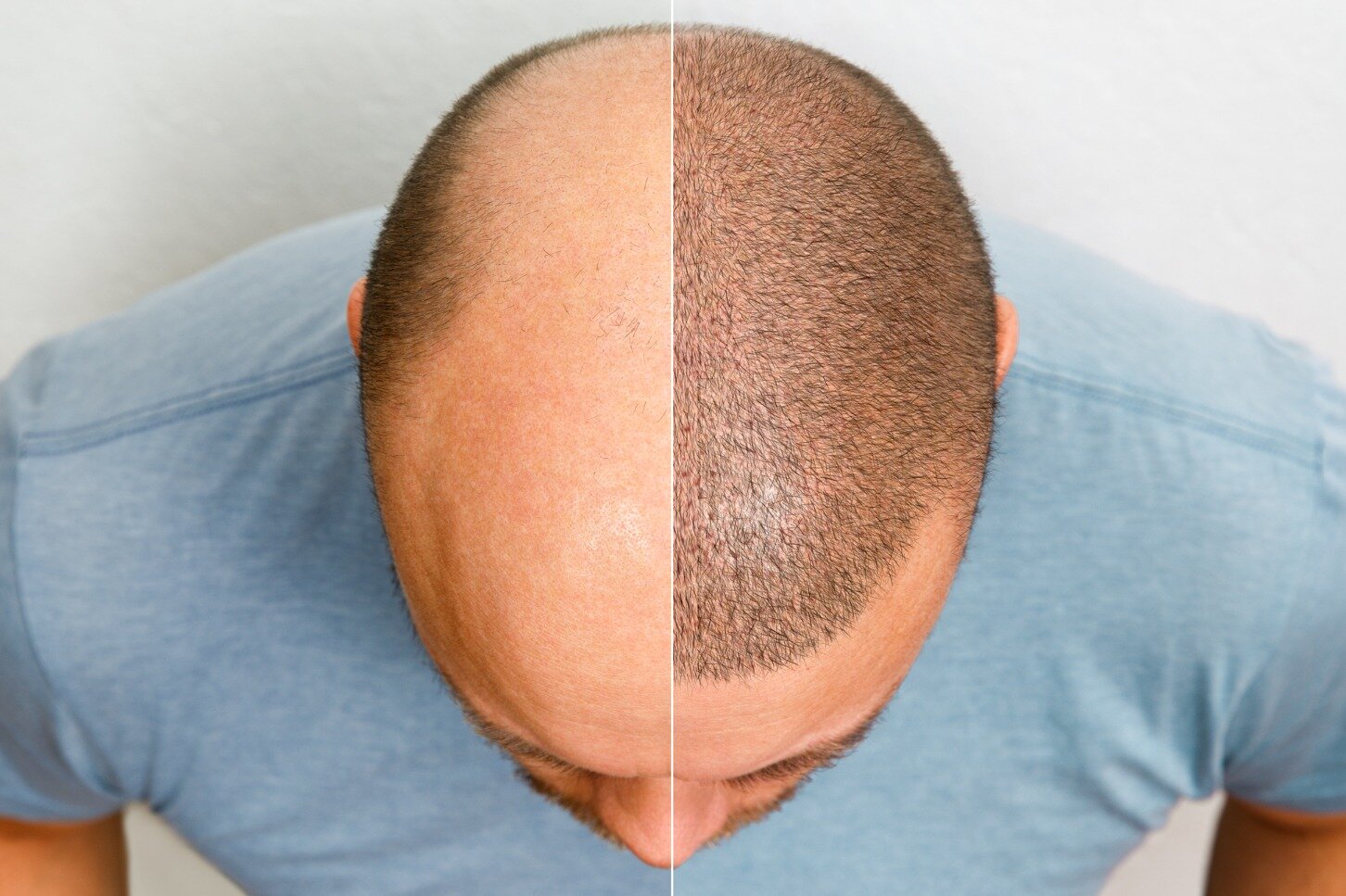
If you have experienced hair loss, you may have thought about getting a hair transplant. Hair transplant surgery is the most effective way to treat baldness. Despite being a well-known procedure for many years, some people are still hesitant about it because of the myths associated with it. The abundance of myths surrounding hair transplants can make it challenging to decide. Here are seven common misconceptions about hair transplants:
1. Transplanted hair requires special care
Many people are concerned that getting a hair transplant would require them to follow a high-maintenance hair care program for the rest of their lives. In truth, transplanted hair requires minimal care. After the recovery phase, which typically lasts no more than 5-7 days, transplanted hair requires no particular maintenance. Shampoos, conditioners, masks, and other hair cosmetics can all be utilized. It can be washed, trimmed, styled, and treated just like the rest of your hair. Transplanted hair does not require any further care beyond what is usual for natural hair; however, certain particular guidelines apply shortly following the transplantation procedure.
2. Hair transplants always look unnatural
Hair restoration procedures are meticulously performed to ensure a natural appearance. When a patient undergoes a hair transplant under the care of a skilled and experienced surgeon, they can be confident that their scalp will look natural. The surgeon carefully assesses every detail, from the placement of the follicles to the angle of the hair grafts, to ensure that the transplanted hair blends in seamlessly. However, attaining such outcomes relies heavily on selecting a qualified and experienced hair transplant specialist. Choosing the right practitioner is crucial for ensuring that your hair transplant looks natural and enhances your self-assurance.
3. Hair transplants provide immediate results
The process is more gradual and requires patience. Hair transplants don’t provide immediate outcomes, but full growth becomes apparent from six to nine months. Some individuals may encounter a waiting period of 12 months. Additionally, the transplanted hair may undergo a shedding process as a result of shock, which is a natural occurrence. Once the period of shock or rest has passed, new hair growth on the scalp becomes visible. The new hair blends in with the existing hair and integrates seamlessly with it. Therefore, while the outcomes of a hair transplant can be impressive, it's important to clarify the common misconception of expecting immediate results.
4. Body hair or donor’s hair is used for hair transplants
Both of these assumptions are incorrect. Hair isn’t sourced from another individual, as foreign donor hair follicles would be rejected by the body. While it is possible to use body hair to supplement scalp hair, this is uncommon and usually only done in exceptional cases. It is generally not recommended to use body hair to cover a bald scalp due to several reasons: body hair doesn’t match head hair, the growth rate of body hair transplants is less than 50%, and they can lead to more cysts and scar formation. Typically, the only follicles transplanted during surgical hair restoration procedures are hair roots abundant on the back and sides of the head. During a hair transplant, some of these follicles are removed and then re-implanted into the balding or thinning areas of the hairline on the top of the scalp.
5. Hair transplant surgery is painful
Prior to starting the procedure, you are given anesthesia to alleviate any pain and discomfort. Once the anesthesia wears off, you may experience some discomfort at the surgical site, but your surgeon will give you prescribed pain medication to manage it. During follicular unit extraction (FUE), the surgeon uses micro-puncture tools to extract and implant hair follicles in the desired area. This promotes quick healing at the surgery site and reduces the need for painkillers. Additionally, you can typically return to work within 2-3 days.
6. Hair transplants are only for men
One of the common myths about hair transplants is that they are only associated with male pattern baldness. However, this is not accurate. Both males and females undergo hair loss, but the way hair loss occurs varies between the two genders. Hair restoration methods are appropriate for both males and females and can effectively treat areas of baldness and overall hair thinning. Efficient procedures for hair transplants include follicular unit extraction (FUE) and follicular unit transplant (FUT). If you have been diagnosed with male or female pattern baldness, these techniques for hair restoration can help counteract hair loss.
7. Hair transplants are only for younger people
There is a common misconception that hair transplants are only suitable for young people. In reality, individuals between the ages of 25 and 70, regardless of gender, can benefit from a hair transplant. The effectiveness of the treatment isn’t dependent on the patient's age. However, young adults in their early twenties are generally not considered ideal candidates for hair transplantation surgery due to the unpredictable nature of their hair loss patterns. In some cases, individuals in their early twenties may consider a preliminary transplant to enhance their hairline density. By their thirties, they will have a better understanding of whether their hair loss is temporary or part of a long-term process.
Replies