7 Lifelong Hygiene Habits to Teach Your Kids
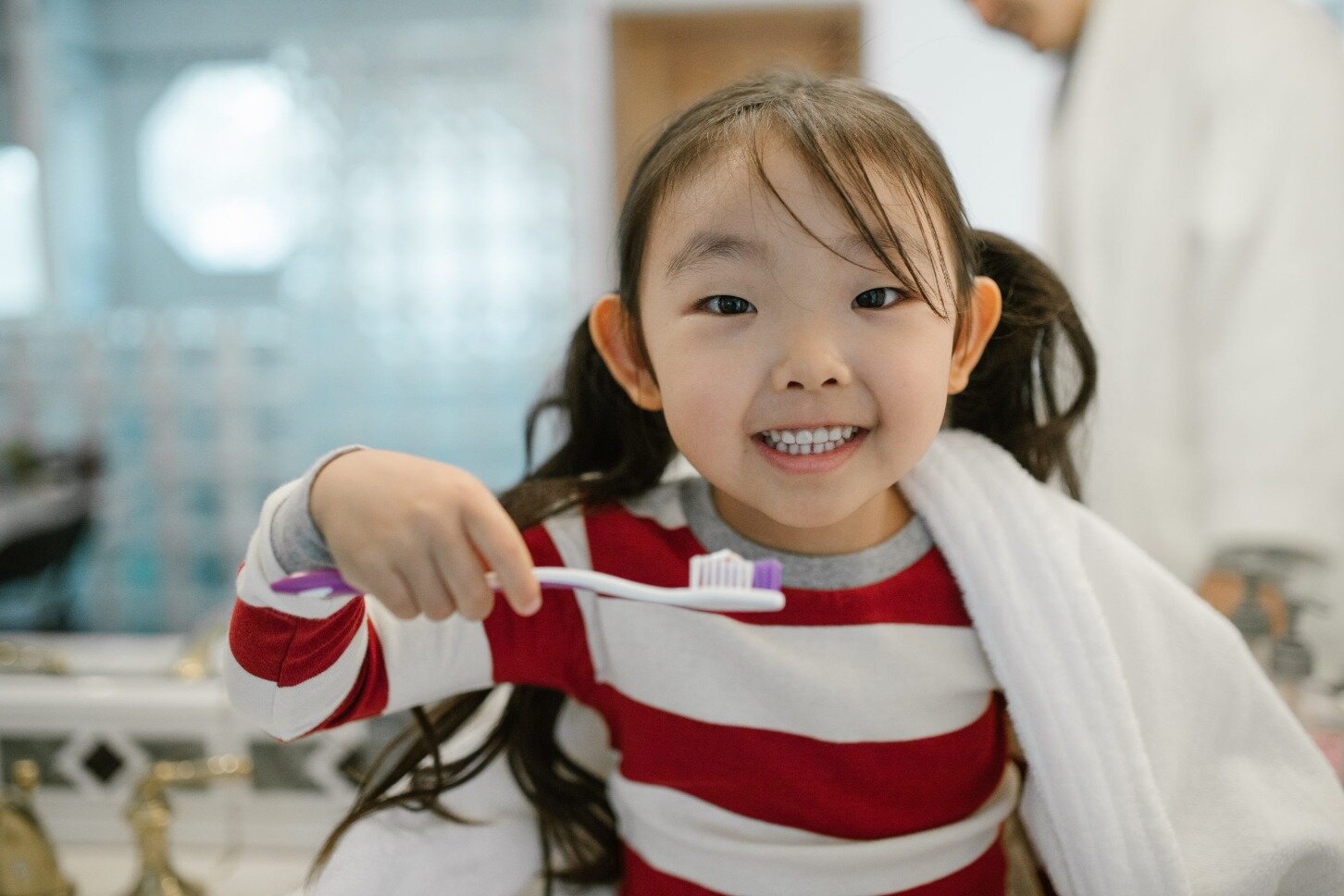
Kids are busy little humans—they’re always running, playing, learning, and exploring. With everything they have going on, personal hygiene can easily get forgotten. As a parent, it’s important to guide them in building healthy habits early on. Teaching hygiene isn’t just about cleanliness—it helps your child stay healthy, feel confident, and avoid unnecessary trips to the doctor.
Here are seven key hygiene habits every parent should help their child develop:
1. Brushing Teeth Properly
Make toothbrushing enjoyable! Play your child's favorite music loudly and have a two-minute dancing party. Videos or brushing apps could speed up the process. Also, consider reading a two-minute narrative using all of your funniest voices. Whatever you do, be inventive and change your routine to ensure that brushing time is always enjoyable. Explain the importance of maintaining good oral health, particularly when consuming your child's favorite crunchy foods.
Also, don't forget about scheduling professional teeth cleanings for your kids. Even the best brushing cannot remove all the plaque and bacteria hiding in hard-to-reach areas of your child's mouth. Remember that getting your child familiar with routine dental procedures at an early age will ensure they will keep visiting the dentist and adequately take care of their teeth in the future.
2. Washing Hands Often
Handwashing is one of the easiest ways to prevent illness, but kids often forget. Make it fun and memorable. For example, put a little glitter on their hands and call it “germs.” Show them how germs spread to everything they touch and then wash it off properly. Teach them to wash hands before meals, after using the bathroom, and after playing outside. Making handwashing routine and understandable helps kids remember its importance.
3. Using Toilet Paper Correctly
Bathroom hygiene is something your child needs to learn early. Show them how to use toilet paper properly and encourage them to wipe thoroughly. Wet wipes can also help when needed. Explain why this matters—cleaning themselves properly keeps them healthy and comfortable.
4. Changing Underwear Every Day
Clean underwear isn’t just about comfort—it’s about hygiene. Show your child the difference between clean and worn clothing so they understand why it matters. Encourage them to pick their own underwear and put dirty clothes in the laundry basket. Letting your child take responsibility builds independence and helps them develop a sense of personal care.
5. Taking Regular Baths or Showers
Bathing keeps skin clean and healthy, but it doesn’t have to be a chore. Make bath time enjoyable by letting them use fun soaps or lotions. Teach them to wash thoroughly and focus on areas that get sweaty or dirty. Framing bathing as a fun, relaxing part of the day helps children see it as a positive routine instead of a punishment.
6. Keeping Nails Short
Long nails can hide germs, and kids often put their hands in their mouths, which increases the risk of infection. Keep nails trimmed, and if your child is nervous, try trimming them in the bathtub—it’s easier and less stressful. Regular nail care prevents infections and keeps hands looking neat.
7. Caring for Their Feet
Feet often get overlooked, but they need attention too. Shoes and socks can trap bacteria and fungi, leading to odor or infections. Teach your child to wash their feet daily, dry them well, and wear clean socks. Explain that public showers or dirty floors can spread germs, so taking care of their feet is just as important as washing hands or brushing teeth.
The Bottom Line
Teaching your children good hygiene doesn’t have to be complicated or stressful. Focus on consistency and make it fun. Brushing teeth, washing hands, bathing, trimming nails, caring for feet, using clean underwear, and proper toilet hygiene are all habits that will keep them healthy and confident.
With your support and guidance, your child can develop routines that last a lifetime. Start early, be patient, and remember—showing them how to take care of themselves is one of the best gifts you can give as a parent.
Replies