7 Important Facts About Replacing All Teeth in One Day
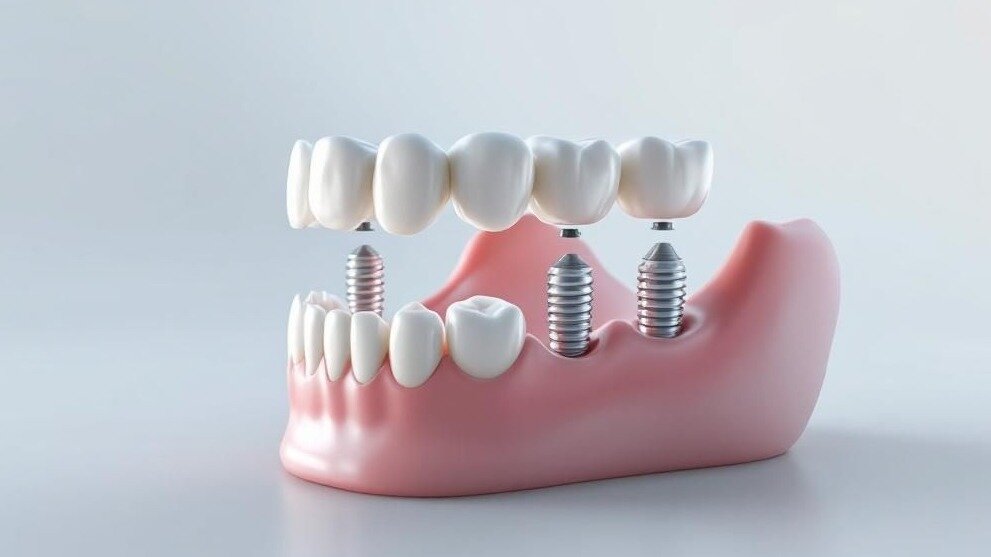
Losing all teeth can affect many parts of your life. It can change how you eat, how you speak, and how confident you feel when smiling. Many people who lose most or all of their teeth start looking for a solution that restores both function and appearance.
Modern dentistry offers several options for full tooth replacement. One of the most advanced methods involves placing dental implants that support a full set of artificial teeth. Some implant techniques even allow patients to receive temporary teeth on the same day as the surgery.
If you are wondering whether it is truly possible to replace all teeth in one day, the answer is that in many cases it is possible. However, the process still involves careful planning, professional evaluation, and several treatment steps. Below are important facts that explain how full mouth dental implants work.
1. Full Mouth Dental Implants Replace All Missing Teeth
Full mouth dental implants are used when a patient has lost all teeth in the upper jaw, the lower jaw, or both. Instead of placing a separate implant for every missing tooth, dentists place a limited number of implants that support a full dental bridge.
In most cases, four to six implants are placed in each jaw. These implants act as stable anchors for a prosthetic structure that replaces all teeth.
Once the implants are securely positioned in the bone, artificial teeth can be attached to them. These prosthetic teeth are designed to look and function like natural teeth.
This method allows patients to regain chewing ability and restore the appearance of a full smile.
2. All-on-4 and All-on-6 Are Common Full Mouth Implant Techniques
Two of the most widely used techniques for full arch restoration are known as All-on-4 and All-on-6 implant systems.
The main difference between these two methods is the number of implants used to support the dental bridge. The All-on-4 implants approach uses four implants in each jaw, while the All-on-6 method uses six implants.
Both techniques are designed to support a full set of teeth with a smaller number of implants. This approach reduces the need for a large number of surgical placements while still providing strong support for the prosthetic structure.
These treatment methods are often recommended for patients who have lost many teeth or who currently wear removable dentures but want a more stable option.
3. Some Patients Can Receive Teeth on the Same Day
One of the advantages of modern implant dentistry is the possibility of immediate loading. This means that temporary teeth can be attached to the implants shortly after surgery.
In many cases, a patient may receive a temporary bridge either on the same day or within a few days after implant placement. This allows the patient to leave the dental clinic with functional teeth instead of waiting months without them.
However, the final permanent prosthesis is usually placed later. The implants must first bond with the jawbone through a process called osseointegration. This process typically takes several months.
During this healing period, the temporary prosthesis allows the patient to eat and speak while the implants stabilize.
4. A Detailed Consultation Is Required Before Treatment
Before full mouth implants are placed, the dentist must evaluate your oral health and bone structure. This step is essential for determining whether the procedure is suitable for you.
During the consultation, the implant dentist usually performs several evaluations, including:
- A full examination of the teeth and gums
- Imaging studies such as a CT scan of the jaw
- Assessment of bone volume and bone density
These diagnostic tools allow the dentist to determine whether there is enough bone to support dental implants.
If bone loss is present, additional procedures such as bone grafting may be recommended before or during implant placement.
A personalized treatment plan is created after these evaluations are completed.
5. The Implant Placement Procedure Happens in Several Steps
Although patients may receive temporary teeth quickly, the implant procedure itself follows a structured process.
First, the dentist prepares the surgical area and gently opens the gum tissue to access the jawbone. Small openings are then created in the bone to place the implants.
The implants are inserted carefully into these prepared spaces. Once placed, the dentist attaches special connectors called abutments. These connectors allow the prosthetic teeth to be attached later.
After the implants are secured, the temporary dental bridge may be placed. This allows the patient to leave the clinic with a complete smile while healing continues.
Even though the surgery is completed in one visit, the healing phase is still important for long-term success.
6. Permanent Teeth Are Placed After the Healing Period
If temporary prosthetic teeth are placed immediately, they usually remain in place for several months while the implants integrate with the jawbone.
After about three to four months, the patient returns to the dentist for follow-up evaluation. At this stage, imaging tests are used to confirm that the implants have successfully bonded with the bone.
Once the dentist confirms that healing is complete, the temporary prosthesis is replaced with a permanent dental bridge.
Permanent prosthetic teeth are typically made from durable materials such as:
- Zirconia
- Ceramic fused to metal
- Metal composite materials
These materials are chosen for strength, durability, and natural appearance.
7. Full Mouth Implants Are Not Suitable for Everyone
Although full mouth implants provide excellent results for many patients, there are situations where the procedure may not be recommended.
Certain medical conditions can increase the risk of complications during implant treatment. Examples include:
- Active cancer or malignant tumors
- Severe blood disorders
- Uncontrolled diabetes
- Serious heart or lung disease
- Untreated infections in the mouth
In some situations, the procedure may need to be delayed rather than avoided completely. For example, dentists may recommend postponing implant surgery during pregnancy, breastfeeding, or active infections.
Your dentist will review your medical history carefully before recommending treatment.
Replies