7 Facts About Plastic Surgery That You Should Know About
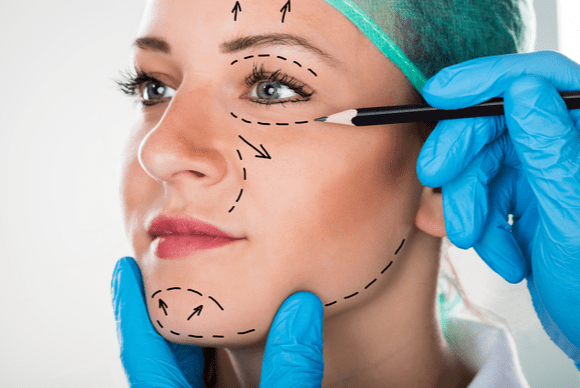
When we think of plastic surgery or cosmetic surgery, we think of aesthetics. However, it is not the only reason for plastic surgery. It is done to address various issues as well as to ensure the patient's well-being and happiness. The number of plastic procedures performed each year is growing as people become more interested in them.
While the reasons for having plastic surgery differ from patient to patient, there may be some hidden realities that you are unaware of. If you are considering plastic surgery for yourself, you may want to learn more about its possibilities. Here is a list of seven facts about plastic surgery that you should know about.
1. Plastic surgery is more than just a cosmetic procedure
Plastic surgery is divided into two types: cosmetic and reconstructive. While we are all familiar with the more popular cosmetic treatments (like rhinoplasty, breast augmentation, liposuction, and so on), we rarely hear about reconstructive surgery.
Reconstructive procedures can be performed on kids born with a cleft top lip and palate; soldiers injured in combat also benefit from reconstructive surgery. Another example is burn sufferers undergoing reconstructive surgery. These are just a few examples of how plastic surgery may help improve one's quality of life.
2. Plastic surgery doesn't mean the use of plastic throughout the process
Silicone, Gore-Tex, and Medpor are among the materials used during surgery, with silicone being the most common. Grafts extracted from the patient's body are also utilized in some circumstances.
3. Breast augmentation is aiming for the top
Breast augmentation is the most common cosmetic surgery. Clients commonly seek treatment to grow their breasts, restore symmetry to uneven breasts, and restore deflated breasts after pregnancy. It helps women seem younger and gives them more confidence. Additionally, silicone breast implants are more common than saline implants due to their more natural appearance. They are pre-filled implants that represent little to no risk if they burst.
4. Men are increasingly demanding plastic surgeries
It is hardly unexpected that women outnumber males when it comes to plastic surgery. However, technological and medical developments have expanded the number of cosmetic procedures available. Liposuction, nose correction, calf enlargement, breast reduction, dental implants, and hair treatments are all common procedures among males.
Moreover, as we become more conscious of how harmful existing masculine standards are, the shame associated with males undergoing surgery is increasingly fading. Another element contributing to the normalizing of male cosmetic treatments is the increasing number of celebrities who openly claim to have undergone plastic surgery.
5. There is such a thing as over-surgery
It's normal to make little changes or eliminate obstinate body fat that doesn't react to exercise and dieting, but if you overdo it, a plastic surgeon may stop treatments. No board-certified surgeon will agree to a sixth rhinoplasty or to raise your breast size beyond what your body can bear.
6. The majority of the job is done by lasers
Prior to the introduction of lasers into plastic surgery, procedures were time-consuming and painful, leaving patients in pain during weeks of rehabilitation. As a result, laser surgery has transformed aesthetic treatments in a variety of ways. Most surgeries are now painless and take only a few minutes in a doctor's office.
Aside from saving time, lasers are safer, more effective, and can reach locations where a blade can't. Additionally, and maybe most importantly, scars after laser are quite minor and insignificant. In short, laser cosmetic procedures are one of the primary reasons that cosmetic surgery is becoming increasingly popular among the population.
7. Silicone breast implants don't increase the risk of breast cancer
Many people believe that silicone breast implants cause breast cancer. There have been studies that show silicone implants don't actually boost the chances of developing breast cancer. However, if you experience any pain or discomfort after getting breast implants, you should contact your doctor.
Replies