7 Common Causes of Tooth Pain You Should Know About
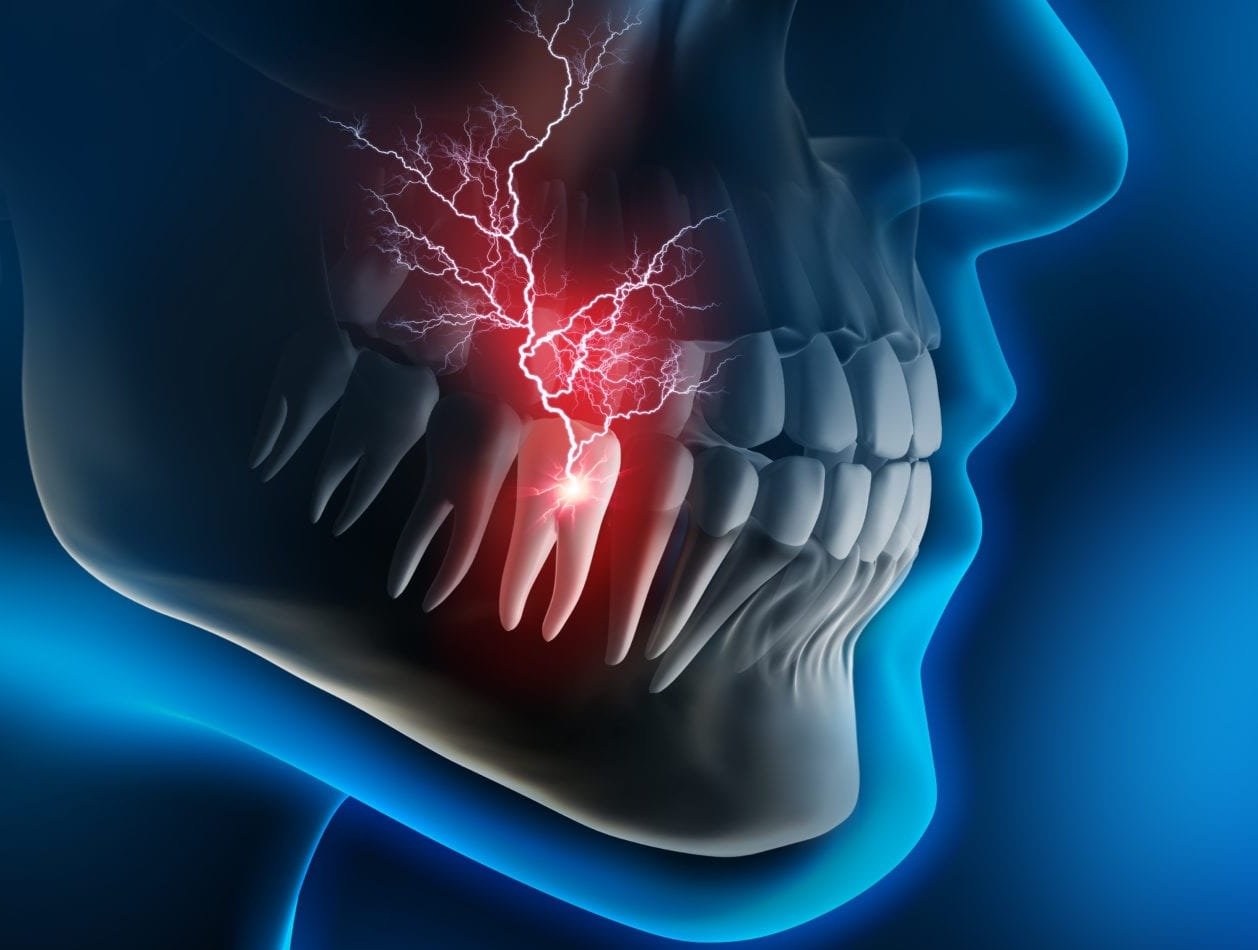
You are not alone if you experience pain in your gums or a sudden toothache. Over 80% of people experience discomfort in their teeth, gums, or jaw once in their life. The most common causes of dental pain are teeth sensitivity, tooth fracture, or underlying disease. Fortunately, your dentist can cure most of the causes of acute tooth pain.
Below are 7 possible causes of tooth pain and everything you need to know about them.
1. Tooth decay
Tooth decay, also called tooth cavities, is the main cause of tooth pain. Cavities are permanently damaged areas of your teeth that cause the development of small gaps or holes. Cavities are caused by harmful bacteria in your mouth. Frequent snacking, drinking sugary drinks, and failing to maintain proper dental hygiene can increase your risk of tooth decay.
Tooth decay is among the most common health issues in the world. They are most prevalent among children, teens, and elderly people. Cavities, however, may affect anybody who has teeth, even newborns.
2. Enamel erosion
Tooth enamel is a hard layer that covers your teeth and protects them from external damage. While your enamel is extremely hard, it isn’t everlasting. Bad daily habits, improper diet, and poor oral hygiene can wreak havoc on your enamel. When the enamel becomes weaker, it exposes the inner layer of your teeth called dentin. Unlike enamel, dentin is porous and sensitive to cold and hot temperatures.
For this reason, people with enamel erosion often experience pain when eating or drinking products of hot or warm temperatures. Eating acidic foods may also irritate your teeth and cause pain.
3. Bruxism
Bruxism is a condition in which you grind, gnash, or clench your teeth. If you have bruxism, you may unconsciously grind your teeth while waking or sleeping. People who grind their teeth during the night's sleep tend to have accompanying sleep problems like snoring or sleep apnea. While mild bruxism doesn’t cause significant symptoms, advanced bruxism can lead to morning headaches, teeth pain, and jaw disorders.
4. Abscess
A tooth abscess is a pus-filled pocket in your gum tissue. An abscess is caused by a bacterial infection. This condition can cause throbbing pain, fever, swelling of the mouth or throat, heat, and cold sensitivity, and trouble swallowing or chewing. If you suddenly feel a rush of foul-smelling fluid followed by unexpected pain relief, the abscess has almost probably ruptured.
If you have any of these symptoms, you should see a trained dentist as soon as possible. An abscess won’t go away without treatment and can lead to serious complications. The infection from the abscess can infect the whole jaw and even spread to your head and neck.
5. Gum disease
Gum disease is a gum infection that causes inflammation of the gums. The infection damages the gum tissue and can even destroy the bone that supports your teeth, leading to tooth loss. At an early stage, gum disease rarely causes noticeable symptoms. Your gums may be inflamed and bleed when you brush your teeth. Over time, as the infection progresses, you may start feeling pain when chewing.
It is important to visit a dentist at the first signs of gum disease. Timely treatment can help you prevent severe damage to your dental health.
6. Wisdom teeth
Wisdom teeth are located at the very back of your mouth. They are the last teeth that break through the gums. Wisdom teeth usually start emerging between the ages of 17 and 21. When wisdom teeth start breaking the gum, this can cause gum swelling and pain. Besides, the jaw of an adult person often lacks room for new teeth, since the jaw has already developed. In this case, wisdom teeth come through at an angle and cause discomfort.
7. Sinus infection
If you've ever had a sinus infection, you probably know that it might result in a toothache. This is extremely common since the sinuses are located near the roots of your upper teeth. When you have sinusitis, the tissues in those areas become inflamed and swollen. This can produce the accompanying discomfort and pressure along your upper jaw arch. Other symptoms of Sinus infection include nasal discharge, headaches, throat irritation, and nasal congestion.
Just like any infection, sinusitis requires medical help. Untreated sinusitis can put you at risk of serious health problems like meningitis, brain abscess, or infection of the bone.
Replies