7 Common Causes Of Female Infertility You Should Be Aware of
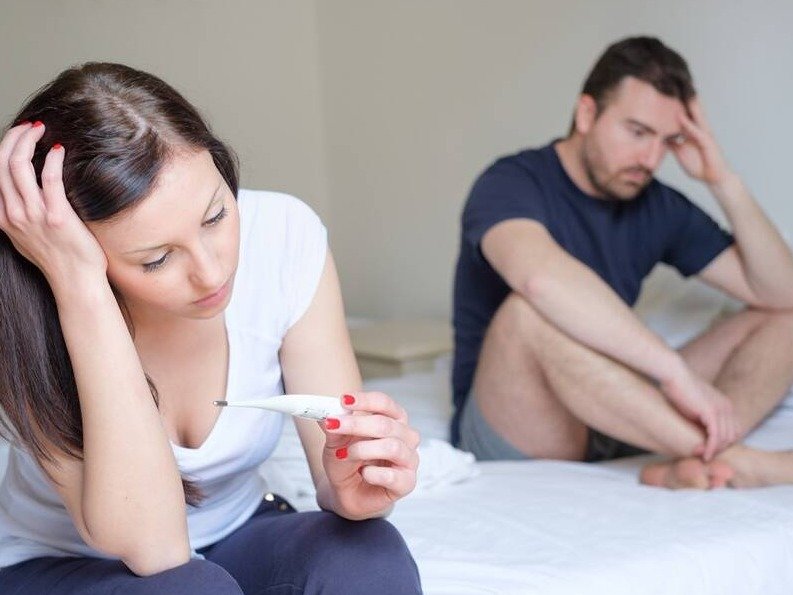
Problems with getting pregnant are quite common for many women all over the world. The point is that there are a lot of conditions that can affect the female reproductive system. In some cases, infertility can be easily cured while in others, treatment can only help manage the symptoms of the condition. In this article, we have gathered seven common causes of female infertility you should be aware of.
1. Stress
It is important to understand that prolonged exposure to stress can significantly affect your ability to get pregnant. Stress makes your body think that it is not a proper time to conceive. That’s why you may stop ovulating and menstruating. If you are going to have a child in the near future, you need to cope with stress and learn how to relax. In most cases, your reproductive functions restore in a few months.
2. Thyroid malfunctions
A thyroid gland is a gland that is located in your neck. It produces hormones that regulate many functions in your body including your menstrual cycle. For example, if your thyroid gland is underactive (doesn’t produce enough hormones), it leads to hypothyroidism. This condition manifests itself through weight gain, heavy periods, fatigue, elevated blood cholesterol levels, etc. Low thyroid hormone levels can interfere with ovulation, which affects fertility.
3. Endometriosis
Endometriosis is a condition that occurs when the endometrium (tissue that outlines the inside of the uterus) spreads on the pelvic organs. This endometrial tissue can grow on the ovaries and fallopian tubes that can result in problems with conception. Some women can have no symptoms of endometriosis while others can experience heavy and painful periods, spotting, lower back pain, and pain during sex.
4. Pelvic inflammatory disease
Pelvic inflammatory disease is a condition that occurs when pelvic organs become inflamed as a result of untreated infection (like gonorrhea, chlamydia, and bacterial vaginosis). The most common symptoms of pelvic inflammatory disease include:
- Fever
- Chronic pelvic pain
- Pain during sex
- Spotting
- Abnormal vaginal discharge with a strong smell
- Irregular periods
If you have had unprotected sex or have symptoms of bacterial vaginosis or STDs, contact a general doctor and undergo STD testing to prevent the development of pelvic inflammatory disease.
5. Polycystic ovary syndrome
Polycystic ovary syndrome is a condition that develops in women with increased levels of male hormones. It usually manifests itself through multiple cysts on the ovaries, male-pattern baldness, acne, irregular or missed periods, and weight gain. Cysts that develop on the ovaries interfere with egg release and this can result in infertility. Unfortunately, there is no cure for polycystic ovary syndrome but you can undergo treatment to ease your symptoms.
6. Premature ovarian failure
Premature ovarian failure, also known as primary ovarian insufficiency, is a condition in which the ovaries stop producing eggs before the age of 40. The point is that ovaries usually stop functioning normally during menopause (after age 45). Women with premature ovarian failure can experience symptoms of menopause like:
- Hot flashes
- Irregular or missed periods
- Poor sleep
- Mood swings
- Vaginal dryness
- Infertility
Even though testament options for primary ovarian insufficiency can’t restore your fertility, they can help improve your well-being.
7. Uterine fibroids and polyps
Uterine fibroids and polyps are tumors that develop in the uterus. Uterine fibroids are noncancerous while uterine polyps can turn cancerous in five percent of cases. Both fibroids and polyps can cause pain during sex, heavy periods, and fertility problems. If fibroid or polyps grow too close to the fallopian tube, they can block it and interfere with egg fertilization. That’s why it is better to remove fibroids and/or polyps.
Replies