7 Best Fermented Foods for Your Health
You probably know that eating foods rich in good bacteria, also called probiotics, is extremely healthy for the digestive system. However, these beneficial microbes have been associated with so much more than just good digestion.
Increasing levels of probiotics in your gut can also help improve your mood, enhance energy levels, decrease inflammation, maintain a healthy immune system, and boost your dental health.
In fact, fermented foods are rich in both probiotic bacteria and prebiotic fibers that feed the mouth flora. Bacteria contained in fermented foods have the ability to convert sugars into lactic acid that protects teeth from the overgrowth of harmful bacteria linked to cavities and gum disease. This means that you can avoid tooth decay and dental implants by eating these magic foods.
Of course, you can use supplements but the best way to get probiotics is to eat fermented foods. Moreover, when you consume these fermented foods, a number of other beneficial nutrients often go along with them.
However, before you read this article, you should understand that if you haven't had fermented foods already, you need to introduce them slowly since they can provoke some GI distress.
1. Kefir
Kefir is usually made by fermenting milk using kefir grains which are cultures of bacteria and yeast held together by a polysaccharide produced by Lactobacillus higarii.
Kefir is able to support healthy digestion and a balanced microbiome. Additionally, It contains vitamin K2, B vitamins, and tryptophan. Tryptophan is an essential amino acid responsible for serotonin production.
Natural kefir has a strong tart taste that’s why many brands add a lot of sugar preventing the product from providing health benefits.
2. Tempeh
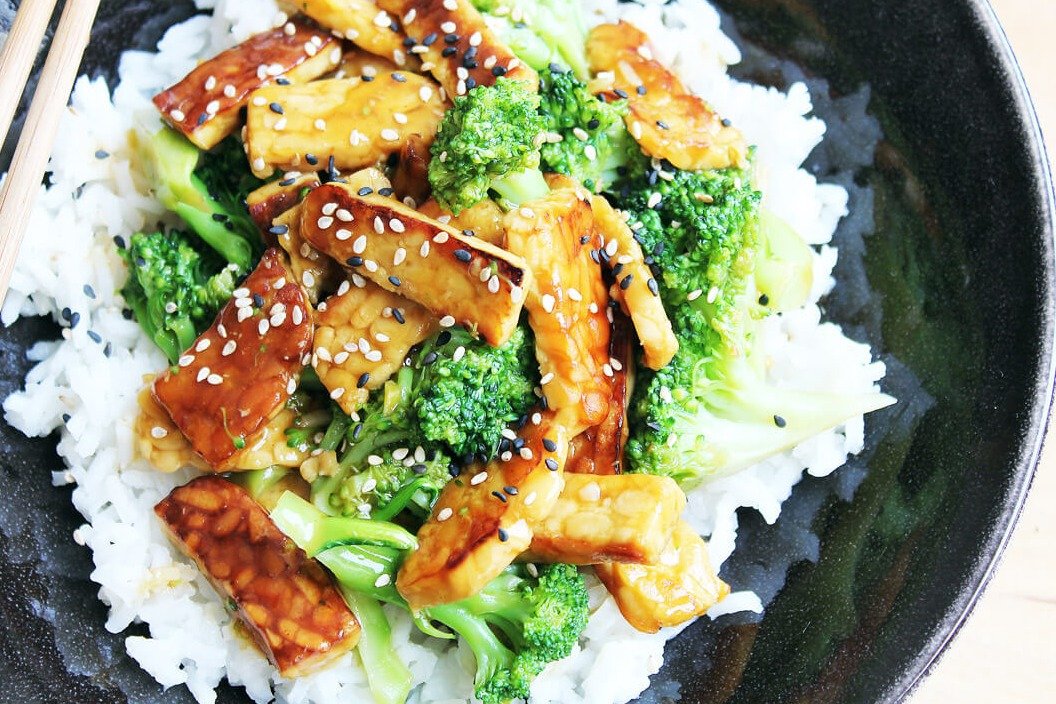
Tempeh is a soy product made from fermented soybeans. This product if full of protein which makes it a great option for vegans and vegetarians.It is essential for maintaining muscle growth and repair. Tempeh may also increase bone strength, decrease inflammation, and reduce bad cholesterol. Moreover, tempeh is rich in omega-3 fatty acids that can lower the risk of cardiovascular disease and promote brain health.
3. Kimchi
Kimchi is the most popular product in South Korea which is full of probiotics and can help improve overall gut health. Kimchi is made by fermenting veggies, especially cabbage, with probiotic lactic acid bacteria.
Eating kimchi regularly may promote healthy weight loss, reduce the risk of metabolic syndrome, lower chronic inflammation, and even prevent cancer growth.
4. Kombucha
Kombucha is made from a SCOBY (symbiotic colony of bacteria and yeast) mixed with sweetened black or green tea. These bacteria and yeast eat away at the sugars in the tea and thus produce natural organic acids, B vitamins, and probiotic bacteria.
According to some research, components of kombucha like the polyphenols are associated with many health benefits, including lowered cholesterol levels, reduced blood sugar levels, possible decreased risk of some types of cancer, and improved liver and gastrointestinal functions. This drink is also rich in glucaric acid that improves detox pathways.
5. Sauerkraut
Sauerkraut is an excellent source of fiber that actually feeds beneficial bacteria in your gut, vitamin C, and vitamin K. Keep in mind that it’s better to eat freshly made sauerkraut labeled "raw and unpasteurized" but not canned varieties since this process kills off beneficial bacteria.
6. Yogurt
Like kefir, yogurt is fermented with lactic acid bacteria that also makes it an excellent gut-friendly choice. According to research, yogurt can enhance the number of good bacteria strains in the gut. Moreover, several studies found that having fewer strains of good bacteria may increase the risk of diseases like type 2 diabetes, obesity, irritable bowel syndrome, and chronic inflammatory diseases. Yogurt is also a good source of protein and calcium that will help you promote bone health.
7. Miso
Miso is a paste made from fermented soybeans. It’s full of iron, calcium, potassium, B vitamins, and high-quality protein. It’s fermented and contains lots of beneficial probiotic bacteria. However, you need to be careful about how you cook it. When cooking with miso, add it to hot recipes toward the end of the cooking process so you don't boil off all beneficial bacteria.
Replies