6 Consequences of Poor Oral Hygiene You Should Be Aware Of
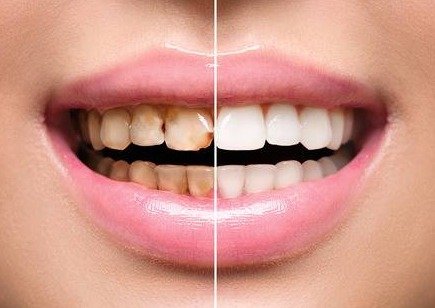
Many people think that tooth brushing once a day is enough to keep their teeth clean. But the reality is that proper oral hygiene includes tooth brushing twice a day, daily flossing, and regular teeth cleaning procedures. It is essential to understand that insufficient oral hygiene can lead to various complications. In this article, we have gathered six consequences of poor oral hygiene you should be aware of.
1. Bad breath
Bad breath, also known as halitosis, is a quite common issue that affects many people all over the world. There are a lot of factors that can contribute to bad breath. The most common of them are poor oral hygiene, problems with the digestive system, and oral conditions. People who don't maintain proper oral hygiene let the food particles, dental plaque, and bacteria linger in the mouth that leads to the development of an unpleasant smell.
2. Teeth discoloration
Many foods and drinks you consume every day contain pigments that can stain your tooth enamel. For example, tannins (in tea, wine, and many other foods and beverages) can attach to your teeth and make them look darker. That's why it is important to remove tannins regularly to prevent their accumulation. Additionally, it is better to brush your teeth or at least rinse your mouth after the consumption of high-pigmented foods and drinks.
3. Tartar accumulation
Tartar is a hard deposit that occurs between the teeth and near the gum line. It develops when the dental plaque wasn't removed thoroughly. Tartar accumulation contributes to bacteria overgrowth, gum inflammation. Additionally, it can significantly worsen the look of your smile. Proper tooth brushing and flossing can help prevent the development of tartar accumulation but only professional teeth cleaning can remove tartar. During this procedure, a dental hygienist removes tartar with the help of special tools.
4. Gum disease
Gum disease is a condition in which gums become inflamed. It develops because of bacteria overgrowth. The most common cause of gum disease is poor oral hygiene. Symptoms of this condition include:
- Bad breath
- Red, swollen, and tender gums
- Gum bleeding
- Gum recession
- Toothache
- Loose teeth
Without timely and efficient treatment, gum disease can lead to teeth loss and other severe complications. If you have noticed at least some of the aforementioned symptoms, it is better to contact a dental clinic for a thorough examination and treatment.
5. Tooth decay
Tooth decay, also called caries and cavities, is one of the most common health issues. It develops when bacteria in your mouth multiply activity and produce acids. These acids soften and eat away your tooth enamel. In the initial stages, tooth decay may not cause any symptoms. But when the cavity reaches the inner layers of the tooth (like the pulp that contains blood vessels and nerve endings), you may experience severe pain. Therefore, proper oral hygiene can prevent bacteria overgrowth and tooth decay.
6. Teeth sensitivity
Teeth sensitivity is a condition in which your teeth respond with pain to hot or cold foods, drinks, and air. Some people can also experience tooth sensitivity when they eat sweets or sour foods. As mentioned above, acids produced by bacteria can wear out your tooth enamel. If the enamel is damaged, you may experience teeth sensitivity. In this case, you may need to undergo dental bonding or get dental crowns to cover the damaged teeth.
The bottom line
It is important to understand that maintaining proper oral hygiene is not so difficult. But it can help prevent the development of the aforementioned complications and improve the look of your teeth and gums.
Replies