6 Common Myths About Dental Implants Debunked
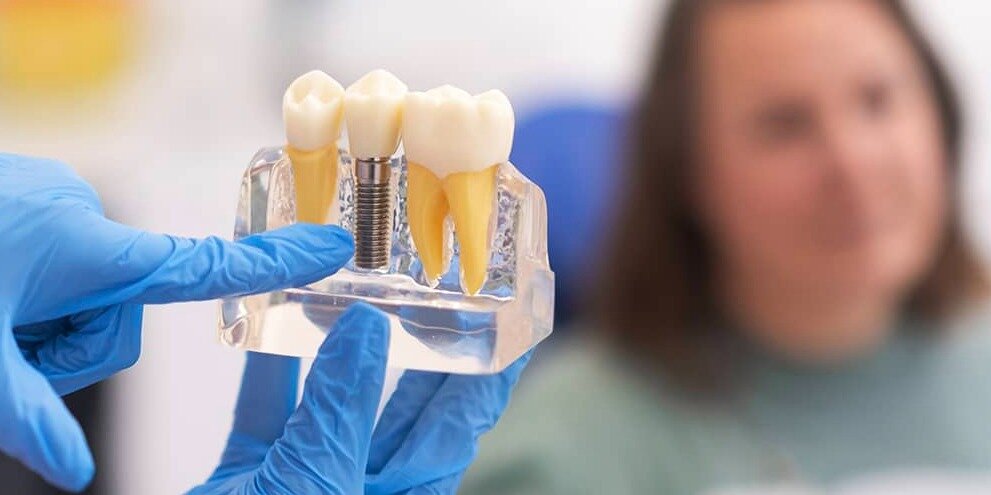
Dental implants have transformed restorative dentistry by giving individuals with missing teeth a reliable and lasting solution. They provide a stable foundation for prosthetic teeth, enhancing both appearance and self-confidence while promoting better oral health overall. However, various misconceptions surrounding dental implants can discourage people from considering this exceptional tooth-replacement option. Let’s address some common myths and misunderstandings about dental implants to help you separate fact from fiction.
1. Dental implants are too expensive
A widespread myth about dental implants is that they are prohibitively expensive. While the initial cost may seem high, the long-term benefits make them a valuable investment in oral health. The total expense depends on factors like the number of implants required, the complexity of the procedure, and any additional treatments needed. Solutions such as all-on-four dental implants or implant-supported bridges can provide more cost-effective alternatives, challenging the notion that implants are unaffordable. Additionally, many dental insurance plans and financing options are available to make the process more accessible and manageable.
2. Dental implants are painful and require lengthy recovery
A common misunderstanding is that dental implant surgery is extremely painful and requires a lengthy recovery period. In reality, advancements in dental technology and techniques have significantly reduced discomfort and shortened recovery times. For example, computer-guided implant placement and minimally invasive procedures help minimize post-surgery pain and swelling. Consulting an experienced implant dentist who provides personalized care and thorough postoperative support can further ensure a smooth and comfortable experience for patients.
3. Dental implants require excessive maintenance
Unlike dentures, dental implants don't require excessive maintenance. They are designed to be cared for just like your natural teeth. Regular brushing, flossing, and routine dental check-ups are key to ensuring their long-term success. Your dentist may also suggest supplementary care measures, such as using an antimicrobial mouthwash or a water flosser, to maintain optimal oral hygiene. By sticking to a consistent oral care routine and attending regular dental visits, you can enhance the durability and health of your dental implants and teeth. With proper care, implants can last for many years, and in many cases, even a lifetime.
4. Dental implants cause health issues
Some people worry that dental implants could lead to health issues. However, when placed by skilled professionals and paired with proper oral care, dental implants are a safe and reliable option with minimal risks. One potential issue, inflammation of the tissues around the implant, known as peri-implantitis, is rare and can almost always be prevented through good oral hygiene and routine dental checkups. If you have concerns, discussing them with your dentist can help you determine if implants are the right choice for you and clarify any associated risks.
5. Dental implants look and feel unnatural
This is one of the most common myths about dental implants. In reality, implants are carefully designed to mimic the look and function of natural teeth, resulting in a smooth, natural-looking smile. Advances in implant materials and techniques have significantly enhanced their aesthetics and comfort. Countless patients share success stories about the transformative impact dental implants have had on their appearance and quality of life. Many even say the implants feel so natural that they forget they're there. With proper placement and care, dental implants seamlessly integrate, restoring your smile and boosting your oral health.
6. Dental implants are only about aesthetics
While dental implants provide an attractive and natural smile, their benefits go far beyond aesthetics. They restore nearly full functionality to your teeth, allowing you to bite, chew, and speak with ease. By filling the gaps left by missing teeth, implants prevent bone atrophy and help preserve the facial structure, avoiding the sunken appearance that often accompanies tooth loss. Additionally, dental implants eliminate the need for removable dentures, significantly enhancing both comfort and confidence. In essence, dental implants are not just about improving appearance—they play a vital role in maintaining oral health and overall functionality.
Replies