5 Symptoms That Can Indicate Eye Problems
Keeping your eyes healthy may have a big impact on your overall health and well-being. Maintaining eye health and monitoring any changes with comprehensive eye exams can significantly lower your risks of vision loss. Most eye disorders like slight myopia, are quite harmless. But diseases like cataracts, glaucoma, and age-related macular degeneration, on the other hand, can cause blindness.
Knowing the symptoms that can indicate eye disease can help you get timely medical help and prevent serious problems. Keep reading to discover 5 symptoms that can indicate that you have eye problems that should be examined by an ophthalmologist.
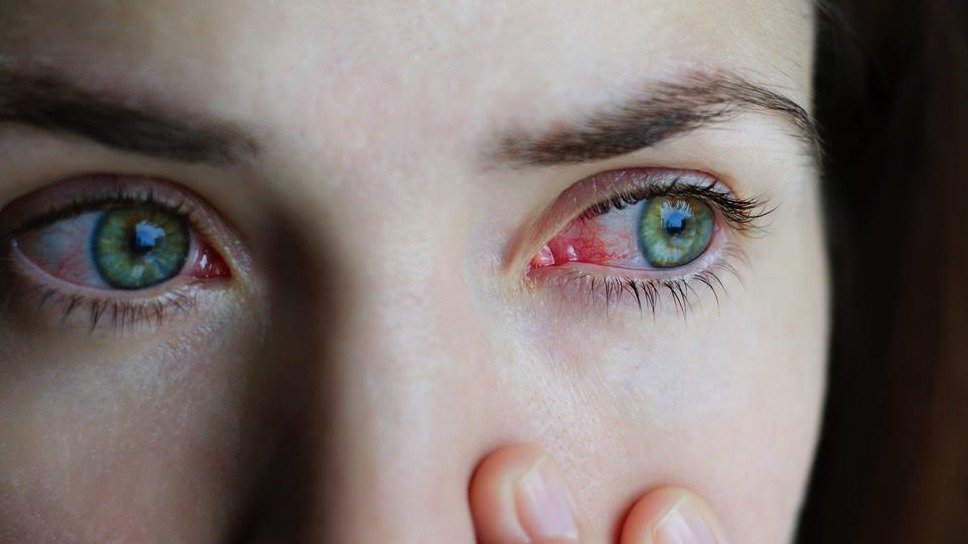
1. Eyes redness
Many different eye diseases can cause eye redness. These conditions can also cause irritation, swelling, and vision loss. Typically, the little blood vessels in the eyes become inflamed, causing the whites of the eyes to appear pink or red. Red eyes are also a sign that your eyes are inflamed. It might be a symptom of major ocular problems. Some eye diseases that can cause eye redness include:
- Blepharitis
- Conjunctivitis (Pink Eye)
- Eye Allergies
- Uveitis
If your eyes are red for a long period of time, be sure to see an ophthalmologist for an eye exam.
2. Light sensitivity
Light sensitivity, also known as photophobia, is a condition that makes bright light uncomfortable. Photophobia can make you squint in a brightly lit room or while outside. As photophobia aggravates, exposure to bright light may cause severe pain.
Eye diseases that can cause photophobia include cataracts, corneal abrasion, allergies, keratoconus, and strabismus. Some conditions that cause sensitivity to light are considered medical emergencies. If you experience persistent sensitivity to light that causes discomfort or even pain, be sure to contact your eye doctor as soon as possible.
3. Floaters
Floaters are specks, spots, and lines that appear in your range of vision. They appear in front of your eye but are actually floating inside the vitreous. The shadows created on the retina by microscopic groupings of cells are what you see. Floaters are normally safe in small amounts, as they fade and disappear over time. They are most noticeable when you are staring at something clear, like a blank wall or sky.
Severe floaters can be caused by a large number of health problems including diabetic retinopathy, eye lymphoma, retina detachment, posterior vitreous detachment, and uveitis. If you suspect you have one of these conditions, contact your eye doctor immediately to prevent serious complications.
4. Poor night vision
Night blindness, also called nyctalopia, is a type of visual impairment. People who suffer from night blindness have impaired vision at night or in areas with poor light. The phrase "night blindness" doesn’t mean that you cannot see at night. This indicates that you may just have difficulty seeing or driving in the dark. While some types of night blindness aren’t treatable, others can be successfully treated if diagnosed early enough.
Some of the common causes of night blindness include nearsightedness, cataracts, retinitis pigmentosa, and Usher syndrome. Sometimes, the deficiency of vitamin A may also cause poor night vision.
5. Frequent headaches
A headache is a feeling of discomfort in the head, neck, and face. Emotional or physical strain, such as stress or high blood pressure, are common causes of headaches. Depending on the source, headaches can affect different parts of the head. If over-the-counter medicine doesn’t relieve your headache or if the pain lasts for an extended period of time, you should see a doctor.
Headaches may have different origins. Sometimes, headaches can be associated with various eye problems, some of which are considered eye emergencies. Eye conditions that can cause headaches include angle-closure glaucoma, refractive error, and photokeratitis.
Replies