5 Important Things to Know Before Undergo Gum Contouring
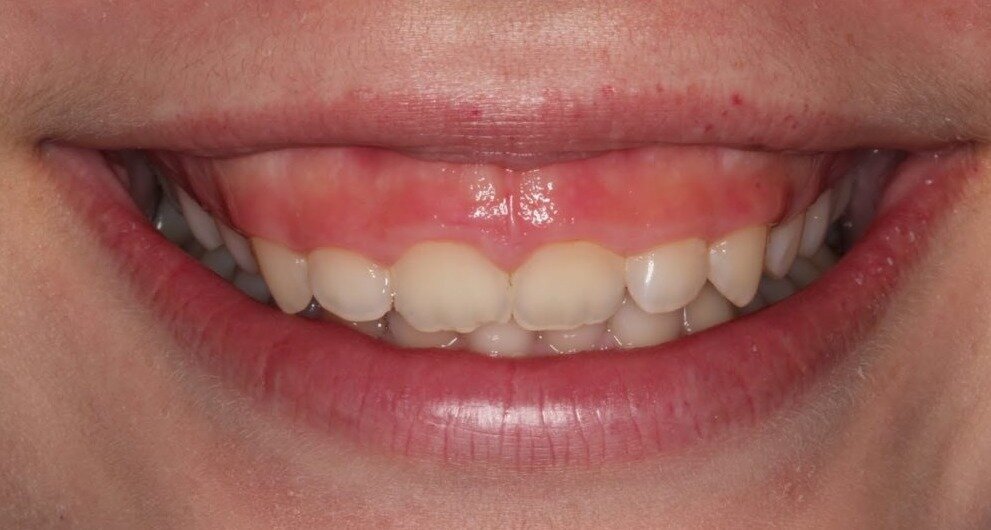
Gum reduction surgery is sometimes referred to as gum reshaping or contouring. Some people's gums may conceal an excessive amount of their teeth. This might make their teeth appear more petite and prevent them from smiling. If you have a gummy smile and wish to change it, this procedure may be for you.
1. Causes of uneven gums
Many reasons can cause gums to be too low or too high. If your gums conceal too much of your teeth, they may appear small. Much of this might be attributed to genetics or health conditions, but it can also impact specific prescription drugs for others.
Too-low gums make your teeth appear longer and more noticeable. Gum recession occurs when the gum tissue pulls back and exposes more of the tooth's root. Left untreated, it can lead to severe dental issues such as tooth loss. Periodontal disease can also cause gum recession.
2. Gum reduction surgery
Most gum contouring operations are merely aesthetic. Others use them to help with periodontitis therapy and prepare for additional dental treatments.
Your dentists will give you a visual estimate of how much of your gums they will remove during your consultation. Afterward, your dentist will schedule you for surgery once you've both agreed on the optimum shape for your gums.
This surgery may include the use of a scalpel, a laser, or radiosurgery. A local anesthetic is also required for gum reduction surgery. Your dentist will analyze the problem region and determine the best treatment method.
3. Risks of gum contouring surgery
There are always risks with surgery, but there are usually only two in the case of a gum reduction. These include an adverse reaction to the anesthesia and gum tissue recurrence. This indicates that your gums may grow back after the procedure. If this occurs, do not hesitate to contact your dentist.
4. Recovery and aftercare of gum reduction
It is best to minimize your activities after surgery to focus on recovering. Your dentist will guide you through the healing process.
Your dentist may recommend taking over-the-counter pain relievers such as Tylenol or Advil for pain relief. Aspirin should be avoided while your gums heal since it can cause bleeding.
You may consume soft, delicious foods such as ice cream, yogurt, or pudding. You can also eat soft fruits and vegetables for the first several days. Eat nothing hot or with a lot of seeds until your gums have completely healed. You should also avoid eating crunchy foods that could become trapped in your teeth or gums.
It could take a few days to a few weeks for your gums to heal fully. Call your dentist immediately if you observe severe bleeding, pain, or swelling.
5. Benefits of gum contouring
Gum contouring has numerous aesthetic advantages. Here are a few of them:
1. It removes excess gum tissue
Gum contouring is a treatment option for those with excessive gum tissue reaching their teeth. Your dentist exposes more of the surfaces of your teeth by carefully removing this gum tissue, making them appear longer and more proportional to your smile and other characteristics of your face. Excess gum tissue can make your teeth appear dirty, so reducing it with gum contouring may be your best option.
2. It can be used to create a more even gum line
People with jagged, uneven gum lines might consider gum contouring to achieve more uniform gum lines. Uneven gum lines make your teeth look unhealthy or crooked, which can impact your smile. Your dentist can improve the appearance of your smile by reshaping your gums through gum contouring.
3. Results are permanent
Excess gum tissue does not regrow once it has been removed. When patients have gum contouring done, they can expect the effects to be permanent. On the other hand, patients who have had gum contouring must commit to keeping their gums clean and healthy to avoid further gum tissue loss due to periodontal disease.
4. It is a highly safe procedure
Gum contouring is a process that is considered to be one of the safest types of surgery. Any surgery has certain risks, but gum contouring has a very minimal risk of bleeding or infection. Before undergoing gum contouring surgery, patients must be free of gum disease. However, if they are in good dental health before surgery and ready to follow all post-surgical instructions, the recovery period should be quick and uneventful.
Replies