5 Frequently Asked Questions About Bunions
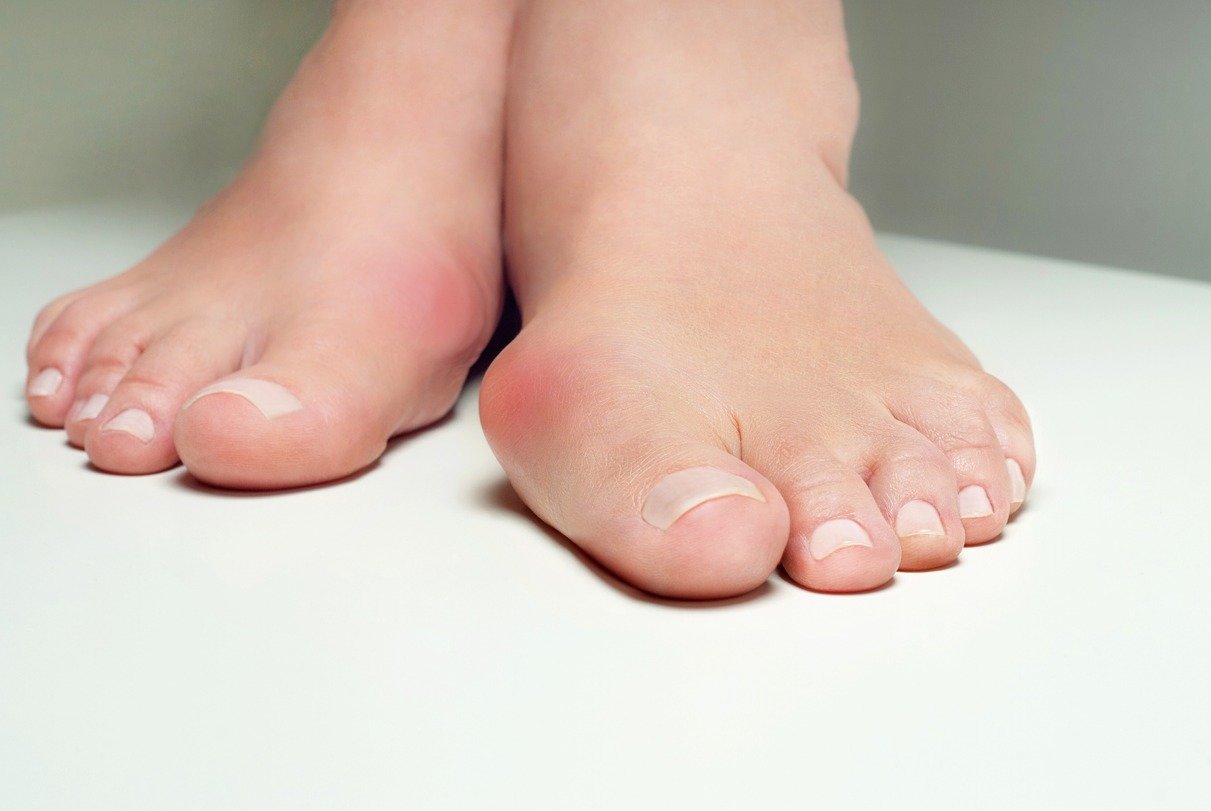
Foot conditions can cause a lot of discomfort, limit your mobility, and cause significant pain. This decreases the quality of our life significantly. One of the most common feet conditions is bunions. This is a foot condition that causes a formation of a bump on the joint at the base of your big toe. As a result, the big toe pulls toward the smaller toes, causing both physical and aesthetical discomfort.
Bunions are a widespread condition. For this reason, people have a lot of questions that often remain unanswered. Below you can find answers to 5 frequently asked questions about bunions to enhance your knowledge about this condition.
1. What are bunions?
Bunions are common foot conditions that cause the deformity of the joint in the base of your big toe. Because of the deformation, a bump forms on the inside of the foot as part of the big toe joint. The degree of the deformation can vary from mild to severe when the deformation accuses an imbalance of the foot muscles. A severe form of bunions may also cause difficulty fitting the shoes and increase your risk of corn.
2. Do bunions run in the family?
The bunions themselves aren’t hereditary conditions. This means that if you have bunions, you won’t pass it to your children the way the color of the hair. But you can pass the particular structure of the foot that makes both you and your child more prone to the development of bunions. For this reason, if your relatives have bunions, you need to be more careful about your feet’ health, because you can be prone to this condition as well.
3. What are the symptoms of bunions?
The symptoms of bunions usually develop gradually. In the beginning, you may experience just mild deformation and a little discomfort. When the deformation progresses, the symptoms like swelling, redness, or soreness around your big toe joint. The pain caused by bunions can be ongoing or comes and goes. Over time, the mobility of the big toe joint decreases significantly, resulting in an immobile big toe.
Because of deformation, you may frequently develop corns and calluses, even at an early stage when bunions don’t cause significant discomfort. If you have noticed that in recent times corns and calluses often appear on your feet while you haven’t changed your shoes, this can be a warning symptom of the early stage of the bunion.
4. What are the risk factors for bunions?
As already was mentioned, bunions have a certain level of heredity. For this reason, if your relatives have bunions, you are probably also at risk of this condition. Other risk factors include previous foot injuries or birth defects of the foot(flat feet). Having an inflammatory condition like rheumatoid arthritis can make you more likely to develop bunions.
Your lifestyle choices are another major risk factor for bunions. Wearing ill-fitting shoes and stilettos cause uneven weight distribution within the foot and increase the risk of bunions.
5. What are the bunions’ treatment options?
In most cases, conservative treatment options are enough to treat bunions. The treatment depends on the degree of the deformation. The doctor can recommend you change your shoes and use special shoe padding or inserts. Medications and ice compresses can help relieve inflammation and pain from bunions.
If you have a severe deformation or bions don’t respond to conservative treatment options, surgery can be an option for you. The surgery can be done to remove the swollen tissue around your big toe joint. Besides, the doctor can recommend removing part of the big toe bone or realigning one or more bones in your foot.
Replies