5 Facts Everyone Should Know About Abortion
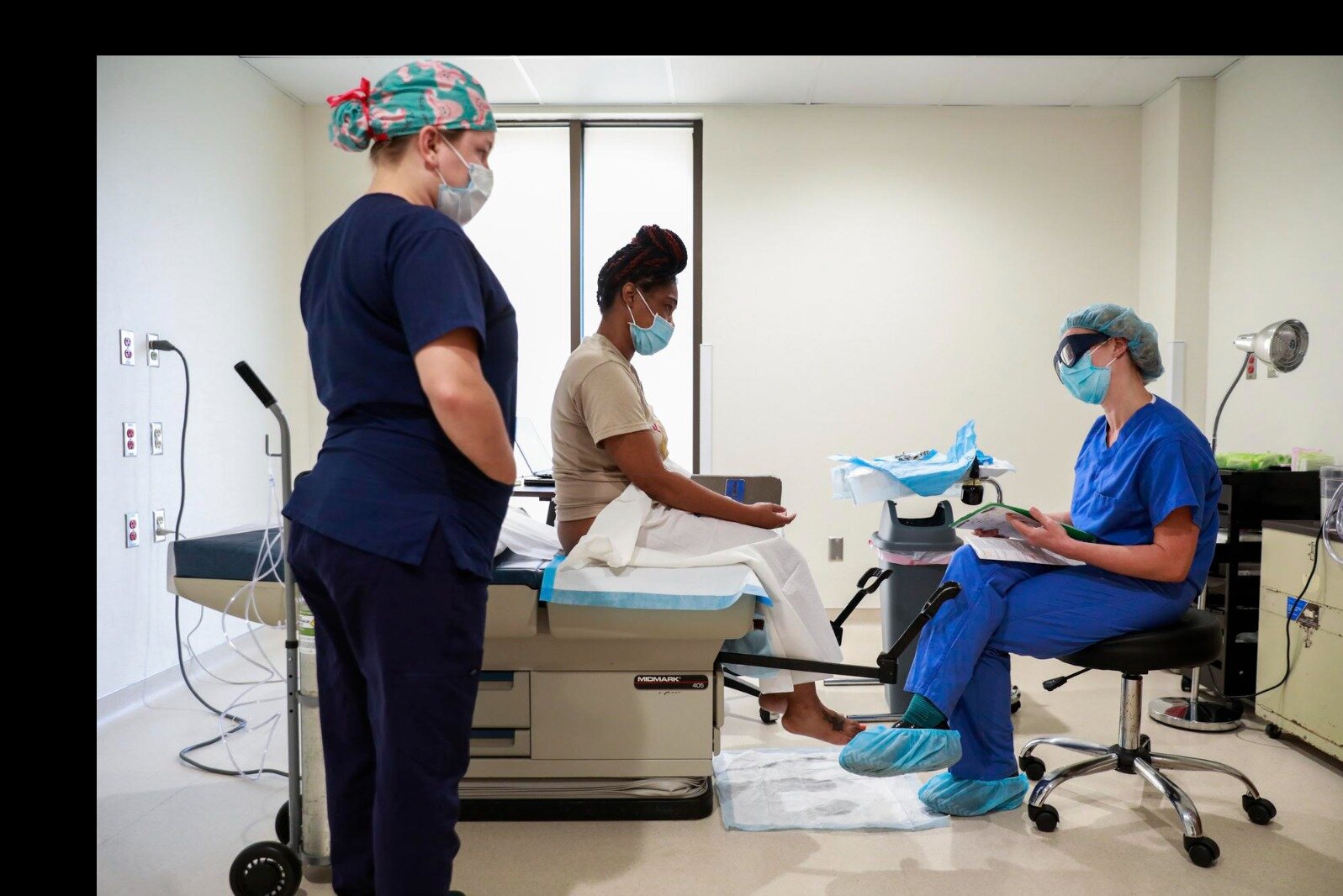
Do you know what happens during an abortion? Probably not. Most people have no idea what’s hidden behind closed doors. It’s not common knowledge and this topic is usually stigmatized and discussed in hushed tones. Abortion is a highly debated issue that can often put people on opposite sides. Even those who are pro-choice may be hesitant to talk about it with friends or family members for fear of being judged or misunderstood, but that’s something worth overcoming for the sake of progressive life.
Continue reading to discover the five facts everyone should know about abortion.
1. What is an abortion?
An abortion is the termination of a pregnancy, which can happen in two ways: induced (with drugs or surgery) or spontaneous. The most common type of induced abortion is vacuum aspiration, which is typically done in the first trimester. With spontaneous abortions, on the other hand, there’s no intervention involved and they occur at random during any point in a woman’s pregnancy. What are the risks? There are many risks associated with abortion, but it is important to note that these risks are not consistent across all types of abortions or for every person. The most common risk associated with abortion is that it doesn’t always work as expected. There’s a chance that abortion may fail to terminate the pregnancy successfully and the fetus may continue to grow inside the mother. Another risk factor is infection from unsanitary conditions during the procedure or from using outdated equipment.
2. Types of abortion
The main types of abortion are surgical abortion, medical abortion, and induced abortion. Surgical abortions can be done in the form of a dilation and curettage (D&C) or a vacuum aspiration. Medical abortions typically involve taking two sets of special pills. Induced abortions involve taking a drug or using misoprostol, an ulcer-healing medicine that induces uterine contractions that cause the embryo or fetus to pass out of the body.
3. How safe is an abortion?
The World Health Organization estimates that one in every hundred women will undergo an unsafe abortion. The WHO also reports that at least 47,000 women die from unsafe abortions every year. It’s important to note that the risks of unsafe abortion are not the same for everyone. It varies depending on how far along a woman is in her pregnancy and which type of procedure she chooses. However, abortions are generally safe for most people who go through them. This is because they are typically performed by an experienced medical professional in a clinic or hospital setting with sterile conditions and proper equipment to take care of any possible complications. To make sure your abortion is safe and effective, it’s important to go to a good abortion clinic with the best specialists.
4. Cost of abortion
It’s not surprising that abortion costs so much considering the procedure is highly invasive. Some people think it should cost less because of how many women have abortions each year. The cost of a first-trimester abortion varies depending on the clinic and the state you live in. Prices range from $350 or less to over $1,000 or more. It's important to know that many factors can change the price of an abortion, such as whether insurance is accepted or if it will be billed on your credit card. Abortion is often covered by health insurance, though your clinic may require a pre-authorization process before services are provided.
5. Risk of complication
In the United States, one of the major concerns with abortion is its risk of complications. According to the Centers for Disease Control and Prevention (CDC), complication rates are highest during abortions performed in the first trimester (the first three months). Complications include uterine perforation, cervical laceration, bleeding or infection, and ectopic pregnancy; all of which require additional care by doctors.
Replies