5 Common Causes of Rapid Heartbeat
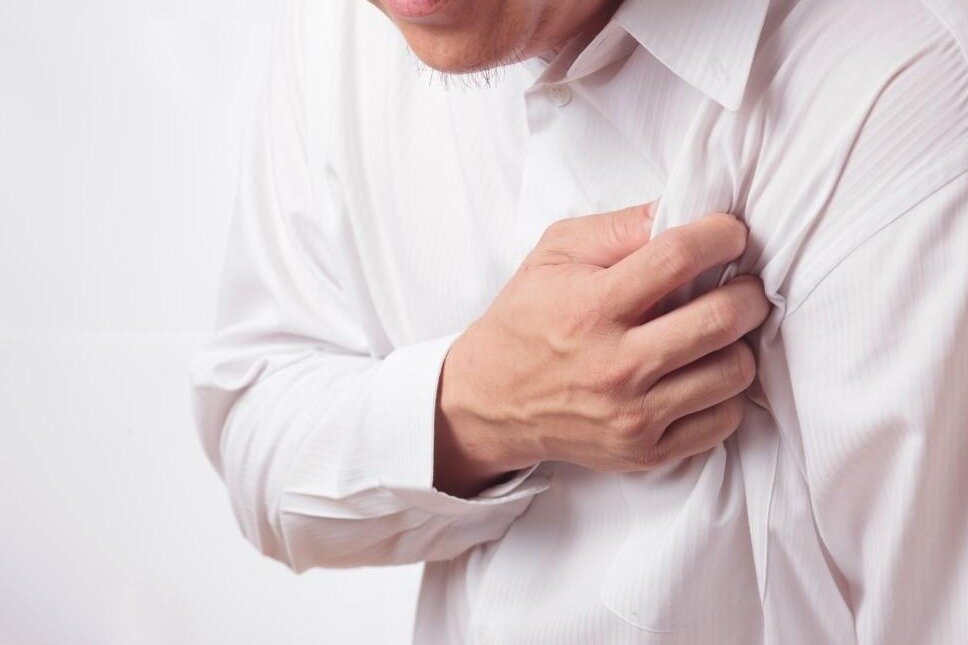
A racing heart, or tachycardia, can be an unsettling sensation. It occurs when the heart beats faster than the normal resting rate of 60 to 100 beats per minute. While it is not usually linked to serious heart disease, a rapid heartbeat can be influenced by emotional state or physical exertion. Regardless of the cause, understanding why your heart rate is elevated is important, especially if it happens frequently or is accompanied by other concerning symptoms. Seeking medical evaluation can help ensure proper diagnosis and treatment. Here are the top five common causes of a rapid heartbeat:
1. Stress and anxiety
Emotional stress and anxiety can have a noticeable impact on heart rate. When the body reacts to stress, it releases adrenaline, a hormone that prepares it for a "fight or flight" response. This surge of adrenaline can cause the heart to beat faster, a condition known as tachycardia. Anxiety often stems from situations that trigger fear or uncertainty, usually in the short term. During these episodes, a person may experience heart palpitations—a sensation of a racing, pounding, or fluttering heartbeat, sometimes even feeling as if the heart is skipping beats. These palpitations are typically harmless and reversible when not linked to a heart rhythm disorder or arrhythmia. Taking time to practice relaxation techniques such as deep breathing, meditation, or yoga can be beneficial in managing stress and preventing recurrent rapid heartbeat.
2. Caffeine and stimulants
Caffeine and other stimulants, including energy drinks and certain medications, can have noticeable effects on heart rate and overall health. These substances stimulate the central nervous system, causing the heart to beat faster and, in some cases, leading to irregular rhythms such as atrial fibrillation, especially in young individuals who consume energy drinks with extremely high caffeine levels. If you notice any changes in your heart rate or rhythm after consuming caffeinated beverages, it may be wise to cut back. If symptoms persist despite reducing caffeine intake, cardiac testing is recommended. A skilled cardiologist can assess underlying issues and provide appropriate care to ensure your heart health and well-being.
3. Dehydration
Dehydration can negatively affect the heart, circulatory system, and other organs. When the body lacks sufficient fluids, blood circulation decreases, which can lead to low blood pressure, dizziness, and even fainting. In response, the heart may beat faster (tachycardia) to maintain blood flow, often causing noticeable palpitations—a pounding or racing sensation in the chest. Dehydration can also thicken the blood, increasing the risk of blood clots and, in severe cases, heart attacks.
Common causes of dehydration include excessive sweating, inadequate fluid intake, or illness, with its effects often worsening in hot weather or during intense exercise. To reduce the risk of tachycardia and other complications, it’s essential to stay well-hydrated by drinking enough water throughout the day, especially when active or in high temperatures. Recognizing early signs of dehydration, such as dry mouth, fatigue, and dizziness, can help address the issue before it escalates.
4. Medical conditions
Several medical conditions can contribute to a fast heart rate, including thyroid disorders, anemia, and cardiac issues such as arrhythmias. For example, hyperthyroidism occurs when the thyroid gland produces excess thyroid hormone, which can cause the heart to beat faster. Similarly, anemia—a deficiency of red blood cells—forces the heart to work harder to supply oxygen, potentially leading to tachycardia. If a rapid heartbeat persists or is accompanied by other symptoms, it is important to consult a medical professional for proper evaluation and care.
5. Physical activity
Engaging in strenuous physical activity or exercise is one of the most common and natural causes of a rapid heartbeat. During exercise, the heart pumps faster to deliver oxygen-rich blood to the muscles, meeting their increased energy demands. This temporary rise in heart rate is a normal physiological response that enhances endurance and performance. As the body recovers, the heart rate gradually returns to its resting state. Regular exercise, combined with proper warm-ups and cool-downs, not only strengthens the heart’s ability to handle stress but also promotes long-term cardiovascular health.
Replies