5 Common Causes of Painful Urination
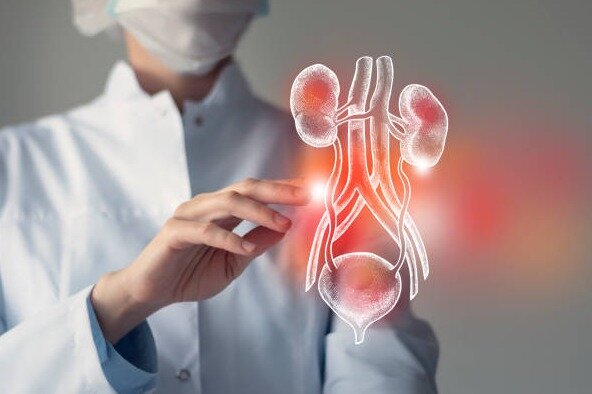
Various health issues can cause painful urination (dysuria). Infections, kidney stones, cysts, and other disorders affecting the bladder or adjacent sections of the body can make peeing painful. However, many of them are treatable.
Patients who have dysuria should notify their urology specialist if they are experiencing any other symptoms. If these symptoms are related to painful urination, they can assist doctors in making a diagnosis and recommending suitable treatment.
The following are the five most likely causes of painful urination, as well as additional symptoms that may go with it.
1. Urinary tract infection
A urinary tract infection (UTI) occurs when bacteria accumulate in the urinary tract. This portion of the anatomy connects the kidneys to the bladder and then to the urethra, which transports urine outside the body.
Other symptoms:
- frequent urination
- passing blood-tinged or dark urine
- fever
- bad-smelling urine
- back and side pain
2. Sexually transmitted infection
Sexually transmitted infections (STIs) that damage the urinary tract and cause pain when peeing include chlamydia, gonorrhea, and herpes.
Symptoms differ depending on the type of STI. Herpes, for example, usually creates blister-like lesions on the genitals.
3. Prostate infection
A short-term bacterial infection can cause a prostate infection, often known as prostatitis. Prostatitis can be caused by chronic inflammation caused by another illness, such as an STI.
A prostate infection may also cause:
- needing to urinate frequently, especially at night
- difficulty ejaculating and painful ejaculation
- difficulty urinating
- pain in the bladder, testicles, and penis
4. Vaginal infection or irritation
A vaginal infection, also known as vaginitis or vaginosis, can occur as a result of bacterial or yeast overgrowth.
Trichomoniasis, one of many STIs, can also cause vaginal infections.
In addition to painful urination, you may experience any of the following symptoms:
- pain during intercourse
- foul-smelling or unusual vaginal discharge
- vaginal bleeding, which is usually mild
- vaginal irritation
5. Kidney stones
Kidney stones are collections of elements that pile up and harden in and around the kidneys, such as calcium or uric acid.
Kidney stones can sometimes become lodged near the place where urine enters the bladder. This can result in painful urinating.
Kidney stones can also cause:
- vomiting
- back and side pain
- cloudy urine
- pink- or brown-tinted urine
- fever
- nausea
- chills
- pain that changes in intensity
- urinating only small amounts frequently
When to see a doctor
Everyone has uncomfortable urination from time to time. You should go to the urologist if the pain is persistent or you have any of the following symptoms:
- fever
- pain in the side or back
- blood in the urine, which will usually appear pink, brown, or red
- unusual discharge from the penis or vagina
- pain that lasts longer than 24 hours
If you have a fever higher than 103°F, you should seek emergency medical attention.
You should not disregard pain when urinating. Your doctor can help in identifying the cause and prescribe pain-relieving medicines.
Potential treatment options
The underlying cause determines the treatment options for uncomfortable urination. Here are a few examples:
- Antibiotics are used to treat UTIs. Severe UTIs affecting the kidneys may necessitate intravenous antibiotics.
- Antibiotics are used to treat prostatitis. If you have chronic bacterial prostatitis, you can take them for up to 12 weeks. Over-the-counter (OTC) anti-inflammatories, prostatic massage, hot baths, and drugs called alpha-blockers, which relax the muscles around the prostate, are all viable prostatitis therapies.
- Avoiding the use of harsh soaps or other chemical products around the genitals, which may irritate them. When chemical irritation is the underlying reason, a person's symptoms usually resolve swiftly.
Taking OTC anti-inflammatory drugs, such as ibuprofen, as part of at-home therapy for painful urination is common.
A doctor may frequently advise a patient to drink extra water because this dilutes urine and makes it easier to pass. Most symptoms can be relieved by resting and taking medications as indicated.
Replies