5 Alarming Signs That You Should Visit Your Dentist Right Now
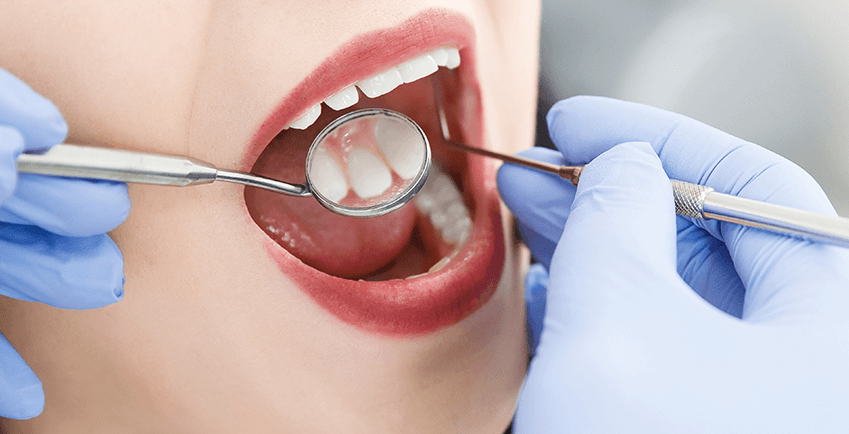
If you want to maintain proper oral health, you need to visit a dentist twice a year. However, If you experience some unpleasant symptoms, there is no reason to delay your dental appointment. You should understand that timely and accurate treatment is usually more successful. In this article, we have gathered five alarming signs that you should visit your dentist right now.
1. You experience a severe toothache
A toothache is a quite common symptom that can manifest through various oral issues. For example, your teeth may hurt because of a cavity, dental abscess, gum recession, or tooth fracture. These conditions should be evaluated and treated by a dentist.
You should understand that the use of home remedies and painkillers can ease your toothache, but it doesn’t help treat the underlying condition. Indeed, you can use them if you can’t visit your dentist immediately but only timely and proper treatment can help treat your oral issues.
2. You broke a tooth
Even though children and people who play contact sports are more likely to break their teeth, such an accident can happen to everyone. For example, you can hit the ground or gnaw some hard objects. Additionally, many people get tooth fractures when they use their teeth as a tool.
Whether you have chipped a small piece of the tooth or have broken a tooth completely, you should take this piece and visit a dentist right now. In many cases, a dentist can reattach and save the broken tooth. If it is impossible, you still need to restore the broken tooth.
3. You have swollen, red, and bleeding gums
Many people think that gum bleeding that occurs during tooth brushing is harmless and doesn’t mean anything serious. But the reality is that gum bleeding, (especially if it is accompanied by swelling and redness) is deemed the most common symptom of gingivitis (early stage of gum disease). It can also cause receding gums, toothache, and bad breath.
Without timely treatment, gingivitis can aggravate and turn into periodontitis. Periodontal disease usually causes severe symptoms like gum bleeding, bad breath, pus between the teeth, loose teeth, and tooth loss.
4. You have worn-out tooth enamel
Worn-out tooth enamel can manifest itself through a toothache, increased teeth sensitivity, yellow teeth, and chipped tooth enamel. It is important to understand that tooth enamel can wear out with age or due to various factors like:
- Increased consumption of sweet and acidic foods and drinks
- Teeth grinding
- Poor oral hygiene
- Aggressive tooth brushing
- Oral piercing
- Acid reflux
- Eating disorders
Fortunately, modern dentistry provides a few options that can help restore the worn-out tooth enamel. For example, you can undergo dental bonding or get a dental crown to save the tooth and ease your symptoms.
5. You have lost a tooth
There are many factors that can make you lose a tooth. For example, advanced gum disease can reduce gum and even the jaw bone, so the tooth may fall out. Other factors include accidents, teeth grinding, and tooth extractions.
If you have lost a tooth, you need to replace it as soon as possible, since the neighboring teeth can shift. You can get a dental bridge, implant, or denture to fill the gap, replace the missing tooth, and improve the look of your smile.
The bottom line
It is important to understand that many oral issues can develop asymptomatically or cause mild even unnoticeable symptoms. To prevent their aggravation, you need to visit a dentist often and not only when you already have some symptoms. On average, dental check-ups twice a year can help avoid many serious oral issues.
Replies