4 Uncurable STDs You Should Know About
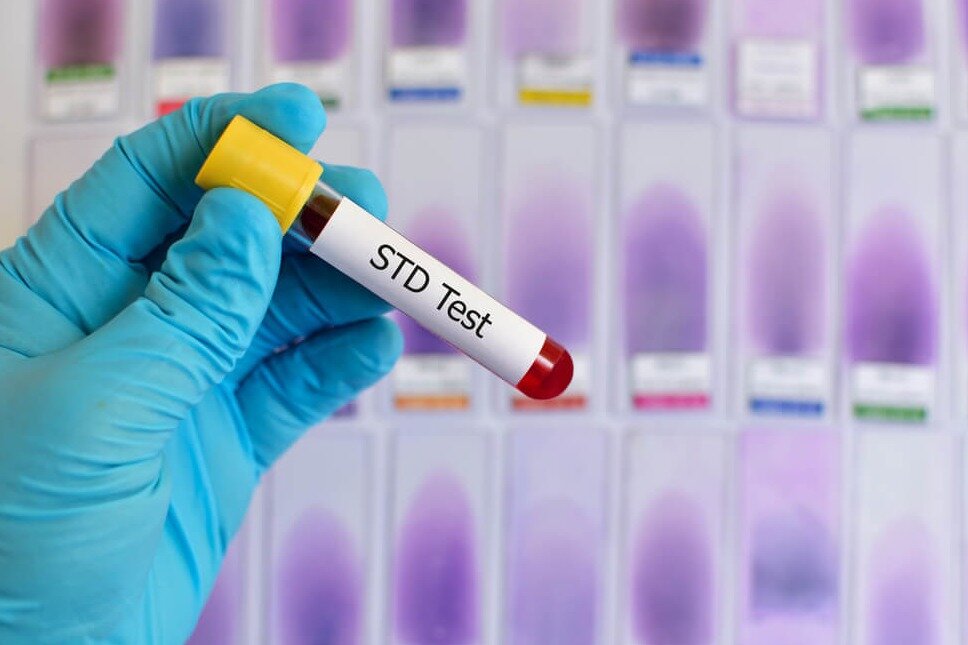
Sexually transmitted diseases (STDs) are spread from person to person via vaginal, anal, or oral contact. These diseases are extremely common — about 20 million new cases are reported in the United States each year, with half of these affecting people aged 15 to 24.
The good news is that most STDs are curable. Still, some of them aren't. But don’t panic; they can be effectively managed or limited with proper medication.
Read on to find out about the uncurable STDs and what to do about them.
1. Hepatitis B
One of the primary causes of liver cancer is hepatitis B. Babies are normally immunized against this virus at birth, but many adults born before 1991 may not have been immunized. It is caused by contact with HBV in body fluids, such as blood, vaginal secretions, or semen.
If you have a chronic form of hepatitis, such as hepatitis B or C, you may not have symptoms until the damage impacts liver function. People with acute hepatitis, on the other hand, might show symptoms soon after contracting the hepatitis virus.
Common symptoms:
- fatigue
- dark urine
- flu-like symptoms
- loss of appetite
- pale stool
- unexplained weight loss
- abdominal pain
- yellow skin and eyes, which may be signs of jaundice
If you have hepatitis B, your best bet is to consult with your doctor about testing your liver and pharmaceutical alternatives to alleviate symptoms. Antiviral drugs and immune system modulators can help delay the virus's harm to your liver.
2. Herpes
Herpes simplex virus can cause vaginal and oral herpes. It is very common — over 500 million people are estimated to have herpes worldwide.
The herpes simplex virus is classified into two types: HSV-1 and HSV-2.
- HSV-1 is the most common cause of oral herpes, which is characterized by cold sores or fever blisters around the mouth or on the face.
- HSV-2 is the cause of genital herpes, which produces sores on or around your genitals, anus, buttocks, and inner thighs.
Because the virus is easily transferred through oral-to-genital contact, many persons who have genital herpes have HSV-1.
Herpes is spread through skin-to-skin contact. During outbreaks, some people may develop sores, while others may not show any signs or know they have the infection.
Primary HSV symptoms:
- fever
- swollen lymph nodes
- body aches and pains, including headache
- unusual tiredness or fatigue
- lack of appetite
- shooting pain at the site of the infection
Before small, painful blisters emerge, you may experience tingling, burning, or itching at the location of the infection. It could be a single blister or a tiny cluster. Before they begin to heal, these blisters will burst and crust over.
Fortunately, herpes can be managed with antiviral drugs that reduce outbreaks and transmission risk. If you have herpes and are experiencing symptoms, consult your doctor about the best antiviral drugs for you.
3. HIV
HIV is a virus that causes immune system harm. Untreated HIV damages and kills CD4 cells, a kind of immune cell known as a T cell. As HIV kills more CD4 cells, the body becomes more susceptible to numerous diseases and malignancies.
The virus is transmitted through bodily fluids like blood, semen, vaginal and rectal fluids, or breast milk. It is not spread through the air, water, or casual contact.
During the first few weeks after you contract HIV, you may have no symptoms. However, many people suffer symptoms within the first month or two after contracting the virus, but they frequently are unaware that HIV is the cause of those symptoms.
Early symptoms of HIV may include:
- sore throat
- fever
- headache
- swollen lymph nodes
- chills
- general aches and pains
- nausea
- skin rash
- upset stomach
HIV, even without symptoms, can still be transmitted to another person. However, a person won’t know they have HIV unless they do the STD testing.
Treatment should begin as soon as feasible following an HIV diagnosis, regardless of viral load.
Antiretroviral therapy, a combination of daily drugs that prevent the virus from reproducing, is the primary treatment for HIV. The therapy slows the progression of HIV to AIDS. It also reduces the risk of HIV transmission to others.
4. HPV
Human papillomavirus is an extremely common sexually transmitted disease. Almost 80 million Americans currently have HPV, and about 14 million contract the virus each year.
About 90 percent of these infections go away within two years of detection. However, HPV is still incurable.
If you've been infected with HPV, knowing what type you have will help your doctor decide what steps to take next. Some kinds of HPV resolve on their own. Other forms may result in cervical or oral cancer. Your doctor will monitor your condition to spot cancer cells as soon as they appear.
Many children are immunized against several types of HPV. Pap smears for women are done every few years to check for HPV. Creams, liquid nitrogen, acid, and minor surgery can all be used to eliminate genital warts.
Replies