4 Commonly Asked Questions About Spinal Stenosis
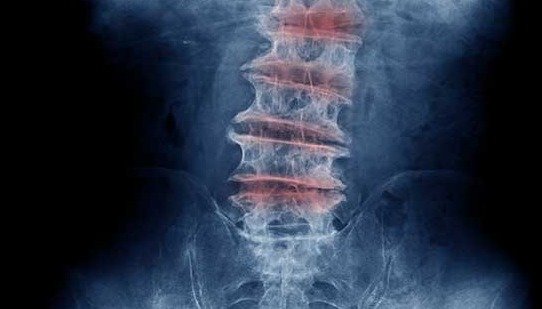
Spinal stenosis is a debilitating health condition. It occurs when the spaces within your spine become narrowed. This can put pressure on the nerves in your spinal canal and cause a variety of unpleasant symptoms. Knowing how this condition occurs and how to treat it can help you ensure overall well-being and your spine health.
Keep reading to discover the answers to 4 common questions about spinal stenosis.
1. What are the types of spinal stenosis and their symptoms?
There are two main types of spinal stenosis, depending on the locations where stenosis occurs. While most people have just one type of stenosis, it isn’t impossible to have both of them. The two types of stenosis include cervical and lumbar.
Cervical stenosis is a narrowing of the spinal spaces in the neck. People with cervical stenosis usually experience numbness, weakness, and tingling in the hand, arm, foot, or leg. Because of narrowing spaces within your upper back, you may have problems with balance and difficulty walking. In severe cases, cervical spinal stenosis can result in bowel and bladder dysfunction.
Lumbar spinal stenosis occurs in the lower back. This type of stenosis is more common than cervical one. People with lumbar spinal stenosis have numbness and weakness in the foot and leg. When standing or walking for long periods, you can experience pain and cramping in one or both legs. Back pain is also a common symptom of lumbar spinal stenosis.
2. What causes and risk factors for spinal stenosis?
Spinal stenosis usually affects people over the age of 50. This happens because of age-related degenerative processes in the spine. But people whose lifestyle is associated with severe wear and tear of the spine may get spinal stenosis at a younger age. Other common causes and risk factors for spinal stenosis include:
- Spine injuries like vertebrae dislocation or fracture can increase your risk of spinal stenosis significantly. The dislocated part of your vertebrae can damage or press the spinal canal, causing the spinal stenosis
- Bone overgrowth often develops because of wear and tear of the spine or degenerative conditions like osteoarthritis. Because of this condition, your spine bones become prone to the development of bone spurs. When bone spurs grow into the spinal canal, they can narrow the spaces within your spine and cause spinal stenosis
- Herniated disk is a condition in which discs that cushion bones in your spine dry out or break down. When the disc cracks, a part of the inner soft material can leak and press the spinal cord, resulting in stenosis
- Tumors are rare but a possible cause of spinal stenosis. The tumor in your spine can press and narrow the spinal canal and cause the spinal stenosis
3. What complications may cause spinal stenosis?
In some cases, untreated spinal stenosis can progress and cause serious complications. This can result in worsening overall well-being. An advanced form of spinal stenosis can contribute to permanent weakness and numbness in both the lower and upper extremities. Urinary and fecal incontinence also isn’t uncommon complications of spinal stenosis. In severe cases, spinal stenosis can cause paralysis.
4. What treatment options are available for spinal stenosis?
The treatment of mild spinal stenosis usually includes medications and physical therapy. The doctor can prescribe you pain relievers, antidepressants, and antiseizure drugs. If pain is severe, opioid pain relievers may be an option for you. Physical therapy helps strengthen the spine muscles that can result in less pain. Besides, physical therapy helps maintain flexibility of the back muscles and improve balance.
Other conservative and minimally invasive treatment options for spinal stenosis include steroid injections and decompression procedures. Steroid injections can calm inflamed nerve roots and temporarily relieve the pain. But steroid injections are a one-tie solution for pain rather than a long-term. Long-term use of steroids can weaken the surrounding soft and hard tissues of the spine. In decompression procedures, the doctor, using the needle-like instrument, removes a part of a thickened ligament in the spinal column to increase space in the spinal canal.
If conservative and minimally invasive treatments have failed to help improve your symptoms, your doctor may recommend surgery. In spinal stenosis surgery, the spine surgeon removes a portion of the spine that narrows the spinal canal to resolve symptoms of spinal stenosis.
Replies