4 Common Types of Headache
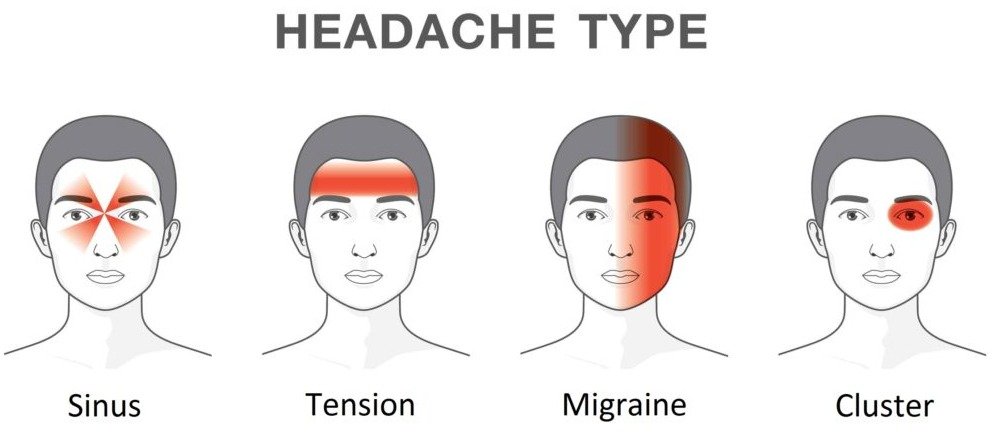
Headaches can be different and have different symptoms. This is a widespread problem, and it occurs among people of all ages. Probably all people have experienced a headache at least once in their life. The main symptom is a pain in your head or even your face. Different types of headaches cause different types of pain. Headaches can be treated by different methods, but the most common is medication and stress management. Sometimes headaches may cause different symptoms, like vomitings, rashes, neck stiffness, and many others. Such types of headaches may require medical help. Keep reading and learn what types of headaches exist.
1. Tension headache
Tension headaches are the most common type of headaches. It may cause different types of pain, from mild to intense. Tension headaches can be chronic or episodic, it changes from person to person. Some researchers found that tension headaches affect around 3 percent of the United States population. In addition, that research also found that this type of headache occurs in women more frequently than men. Symptoms may include dull pain, pressure around the forehead, and tenderness around the forehead and scalp. Tension headaches can be triggered by several factors:
- Alcohol
- Eyestrain
- Fatigue
- Dry eyes
- A sinus infection,
- Caffeine poor posture
- Other factors
Each person has different triggers, and this is why everyone should find personal triggers and try to avoid them. If it’s impossible to avoid those triggers, try to minimize them. To help yourself identify triggers, you should have a daily diary. Over time you will be able to identify triggers. If you have a headache, you should have professional help. You can contact a pain treatment clinic.
2. Cluster headache
Cluster headaches are one of the most common types of headaches, and it implies that a person is experiencing a very painful headache that occurs in cycles. A cycle can last for several months or even up to a year. People who have cluster headaches explained that these headaches can be exceedingly severe. In most cases, this type of headache occurs among people who are in middle age, but there are cases when adult people have this type of headache, that is why any person at any age can get this headache. Symptoms of cluster headaches include:
- An aura (visual disturbances before the headache),
- Pain around the eyes
- Pain in the forehead
- Pain in the temples
- Pain in the teeth
- Eye redness
- Nausea
- Agitation
- And many other symptoms
There is different research, and they have found that men are more likely to have cluster headaches. This type of headache is caused by the dilation of vessels that provide blood to the brain and the face. Nowadays, doctors have no clue why these blood vessels are widening. To prevent this type of headache, try to avoid tobacco, alcohol, cocaine, high altitudes, hot baths, hot weather, and other triggers. If you have cluster headaches you should get professional help and learn your triggers.
3. Migraine headache
Migraine is a strong headache that implies a pulsation from deep in the head. Migraine affects life and causes problems with your routine. This headache can last for several days. Migraine as a cluster headache can be preceded by visual disturbances. Visual disturbances are called an aura, and these visual disturbances may include stars, zigzag lines, blind spots, shimmering lights, and flashing lights. Also, migraine headaches have similar symptoms to insult, like tingling on one side of the face or arm, and troubles with speaking. Migraine headaches are different and may have various symptoms:
- Prodrome (sensitivity to light, sound, or even smell, fatigue, mood changes, bloating, diarrhea, etc)
- Aura (mentioned above)
- Attack (severe dull ache that grows into throbbing pain, vomit, skin paleness, faint feeling)
- Postdrome (tiredness, muscle pain, lack of appetite, etc)
There is some research, and they have found women are more likely to have migraines. Different factors may increase the chances for migraine headaches: post-traumatic stress disorder, disruption, dehydration, skipping meals, several foods, and other personal triggers. If a person has migraines, he or she should have a personal pain diary. Exactly this may help your doctor to find the right treatment.
4. Sinus headaches
This type of headache implies pain inside the forehead, cheekbones, and nose. In most cases, this type of headache occurs due to an allergy. When an allergy occurs, channels that drain that part of the body get blocked. Sinus headache is caused by strong pressure of the build-up. Symptoms of a sinus headache include:
- Fever
- Face swellings
- A runny nose
- The feeling of fullness in the ears
If a person has this type of headache it’s significant to have an appointment with a doctor, because there are different types of headaches that involve similar symptoms. Without proper treatment, other headaches may affect people’s routines.
The bottom line
To sum up, people with long-lasting headaches should have professional help. A doctor will help you relieve the pain and get rid of discomfort. Don’t neglect headaches, because they can be a sign of much more serious health conditions.
Replies