4 Back Pain Conditions That Mainly Affect Women
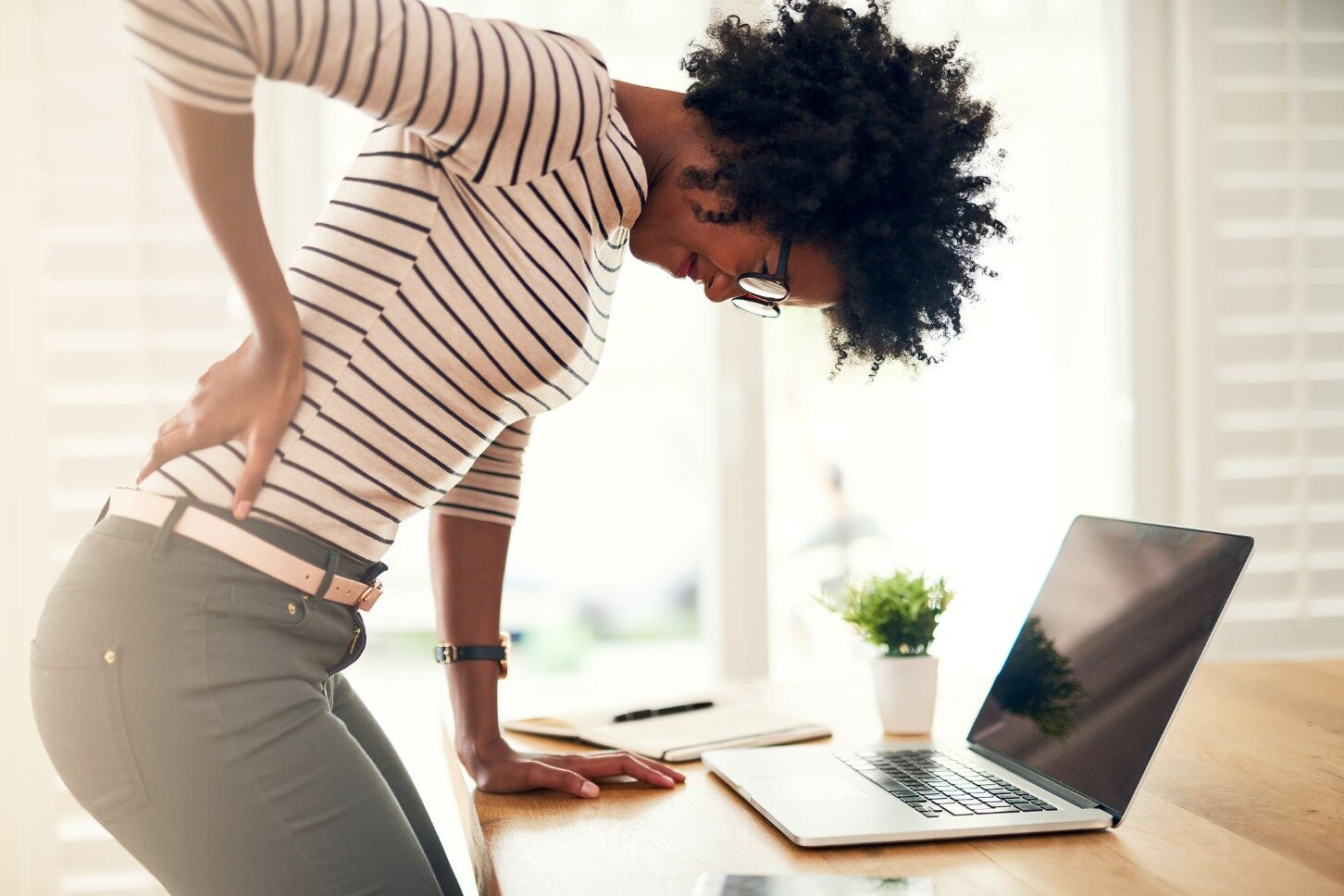
Both men and women can be impacted when it comes to chronic pain. Women, on the other hand, are more prone to suffer from a variety of back pain issues, forcing them to live with chronic pain for the rest of their lives.
Below are 4 back pain conditions that often affect women.
1. Spinal osteoarthritis
Arthritis is a common cause of lower back pain, which affects both men and women after the age of 50. Men are more likely than women to develop spinal osteoarthritis when they are less than 45 years old. However, among people over the age of 45, females are more likely than males to develop spinal osteoarthritis.
Spinal osteoarthritis is a degenerative joint condition that frequently results in the production of bone spurs. These new bone spurs can be quite painful because they press against the nerves and nerve roots.
Aside from back discomfort, you may experience numbness and tingling in the legs or arms and muscle weakness. However, the symptoms can differ from woman to woman. Some people have no symptoms other than occasional discomfort, but others have significant signs and symptoms, chronic pain, and finally become seriously incapacitated, making it hard for them to live a regular life and perform everyday tasks.
Pain relievers, both over-the-counter and prescription, can help deal with the pain associated with spinal osteoarthritis. The goal of the treatment is to increase the woman’s ability to lead a healthy and normal life as much as possible.
2. Fibromyalgia
Fibromyalgia is a chronic pain syndrome that affects both men and women, even though women are more prone to get it. According to the National Institutes of Health, women account for almost 80% of all fibromyalgia sufferers. The reason why women are more prone than males to acquire fibromyalgia is unknown, while hormones, DNA, and immune systems are thought to have a role.
Women with fibromyalgia suffer more painful menstrual periods, unpleasant bowel motions, increased bladder discomfort while peeing, migraines, restless legs syndrome, memory or concentration problems, painful sexual intercourse, and so on. Fibromyalgia is incurable, but treatment is available to help relieve the symptoms and live an active and pain-free life as much as possible.
3. Piriformis syndrome
Piriformis syndrome is a neuromuscular condition caused by the piriformis muscle compressing the sciatic nerve. This muscle is found around the hip joint in the buttocks. The piriformis muscle has two functions: it stabilizes the hip joint and lifts and rotates the thigh away from the trunk.
Pain, numbness, and tingling in the buttocks are common symptoms of piriformis syndrome. These symptoms usually get worse when you sit for an extended amount of time. The pain is usually felt in the lower back and buttocks, but it can also progress down the length of the sciatic nerve.
Piriformis syndrome is treated using over-the-counter pain relievers, prescription pain relievers, and other conservative treatment approaches such as acupuncture, cold and heat therapy, and so on. When none of the aforementioned approaches work to alleviate the symptoms of piriformis syndrome, and the signs and symptoms are severe, surgical treatment may be necessary.
4. Compression fractures
Compression fractures often result due to osteoporosis, a condition that affects mainly women after menopause. Osteoporosis is a disorder characterized by porous, fragile, and brittle bones. Compression fractures occur when the vertebrae become brittle and can no longer support your spine. These fractures can occur even without an injury, such as while coughing or sneezing. Compression fractures can result in severe disability and persistent pain. For this reason, osteoporosis is a big concern for women all over the world. If you suspect you have an osteoporosis or compression fracture, be sure to visit a spine doctor as soon as possible.
Replies