3 Main Ways to Treat Schizophrenia
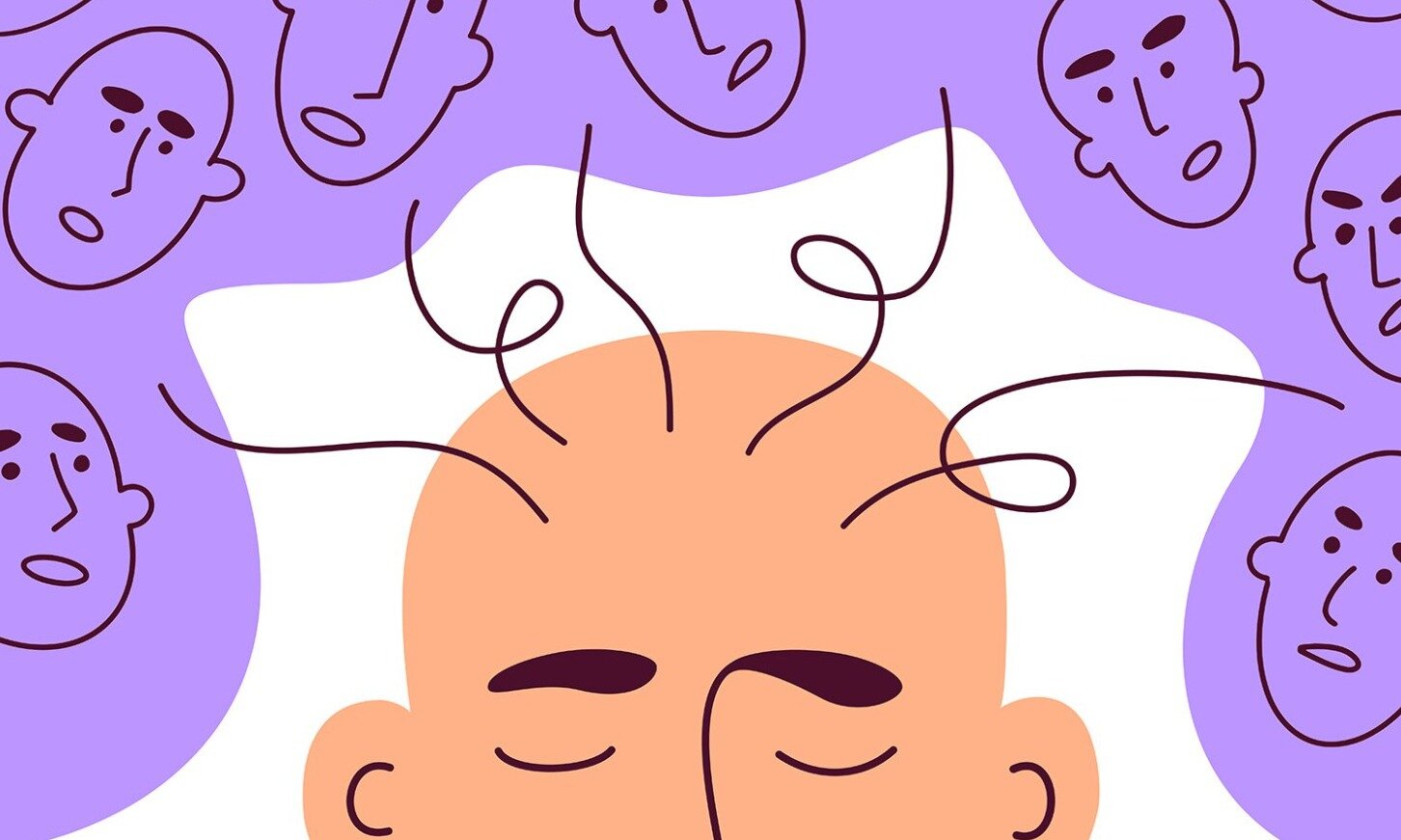
Schizophrenia is a complex, lifelong problem that requires specialized, long-term treatment—and it's one of the most difficult mental illnesses to treat.
People with schizophrenia also have higher executive function problems, which influence social interactions in particular, including caregiver relationships. Most effective schizophrenia treatments include a combination of medication, counseling, and social and family support.
Repeated episodes of psychosis appear to be damaging, according to the research. The more episodes you have, the longer it takes to recover and the more difficult it is to control your symptoms, therefore, preventing acute episodes is a top priority. The following are the most important aspects of schizophrenia treatment.
1. Psychotherapy
This is when different sorts of treatment come into play. The first is therapy. Individual, family, or group psychotherapy, as well as supportive psychotherapy, cognitive enhancement treatment (CET), and cognitive behavioral therapy are all options (CBT).
The purpose of schizophrenia therapy is to assist the patient in coping with symptoms and moving on with their lives in terms of social interactions, education, and employment. It also makes it easier for patients to stick to their prescription schedules. Because of adverse effects, denial about their symptoms, or other reasons related to the disease, up to three-quarters of patients with schizophrenia do not take their medications as prescribed.
2. Medications
Antipsychotic drugs are used to treat the majority of patients with schizophrenia. Although no one understands what causes the disease, medicines can help with symptoms such as hallucinations, delusions, and agitation. Antipsychotics are divided into two categories: older first-generation medications and newer second-generation treatments.
Newer medications including aripiprazole (Abilify), olanzapine (Zyprexa), quetiapine (Seroquel), and risperidone (Risperdal) are frequently the first to be tried.
They all operate in a similar manner. The key difference between them is their side-effect profile.
Haloperidol (Haldol) and chlorpromazine (Thorazine), two older antipsychotics, can cause Parkinson's-like movement symptoms that aren't always reversible. Weight gain and even diabetes may be a side effect of the newer medications, but lifestyle adjustments may help to decrease this risk.
Long-acting injectables, which only need to be given once or twice a month and can make it easier for patients to remain with schizophrenia treatment, can also be given as daily pills or liquids.
Mood stabilizers such as lithium, antidepressants, and anti-anxiety drugs can also help some people. Doctors may use electroconvulsive treatment if patients do not respond to medications or if they have depression (ECT).
3. Other psychological treatment options
Along with various types of therapy, assistance in learning how to communicate with others, as well as job training and housing support, persons with schizophrenia can live successful lives in their communities.
There are a number of models that incorporate these various parts of treatment and have demonstrated to be effective. Assertive community treatment (ACT), for example, involves professionals working one-on-one with patients in various treatment domains. Similarly, coordinated specialty care (CSC) covers a wide range of services, including medicine, counseling, education, and career assistance, as well as case management.
They emphasize education and attempting to engage the patient in their own recovery, with a special emphasis on reintegration into the community through social connections as well as work or school participation.
This type of program's evidence has been around for a long time. In the 1980s, research looked at patients with severe schizophrenia who had completed a rigorous rehabilitation program more than 20 years before and found that many of them had been able to remain in the community.
The Bottom Line
Given that schizophrenia is a chronic disease, it’s best to work with a psychiatrist on a regular basis to manage the condition effectively. Choosing the best treatment options might take a lot of time, but it will help you live a happy life.
Replies