11 Oral Cancer Signs You Shouldn't Ignore
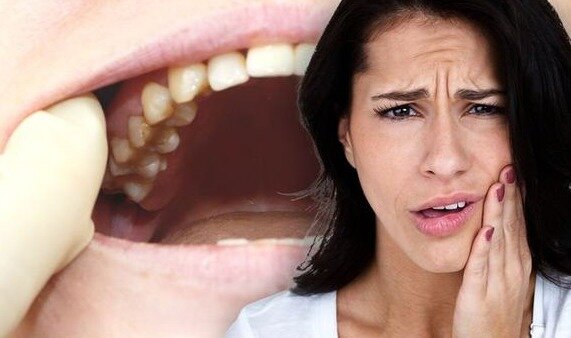
As oral cancer continues to affect more individuals daily, understanding its symptoms becomes crucial for early detection and treatment. With the rise in smoking and tobacco use, oral cancer has become increasingly prevalent, making it essential to recognize its signs and seek medical attention promptly. Here are eleven common symptoms of oral cancer that you should be aware of:
1. Dental inflammation
Dental inflammation, characterized by redness, swelling, and pain, can signal underlying issues. It may result from medication side effects, oral diseases like lupus erythematosus, or injuries. Conditions such as lichen planus or periodontal disease can also lead to inflamed gums, emphasizing the need for professional evaluation.
2. Soreness or sensitivity in the mouth
Oral cancer may manifest as soreness or sensitivity in the mouth, affecting daily activities like eating and drinking. This discomfort may accompany conditions such as oral thrush or periodontitis. Any changes in mouth sensation, including dryness or unusual taste, warrant a dental clinic visit for further assessment.
3. Pain when eating
Persistent pain while eating can indicate oral cancer or other oral health issues like gingivitis or tooth decay. Inflammation or infection within the mouth can cause discomfort, highlighting the importance of addressing any prolonged pain promptly.
4. Change in eating habits
A shift in eating habits, such as avoiding certain foods or experiencing reduced appetite, may signify underlying oral conditions or medication side effects. This change could indicate discomfort or difficulty eating due to oral inflammation or disease.
5. Discomfort when touching the mouth or nose
Sensitivity or discomfort when touching the mouth or nose might indicate oral cancer or systemic diseases. Additionally, it could be a symptom of oral thrush or fungal infections, necessitating professional evaluation for proper diagnosis and treatment.
6. Bloating and swelling
Bloating and swelling in the mouth could signal oral cancer or other conditions like fungal infections or medication side effects. Any noticeable swelling should prompt a visit to the dentist for further examination and appropriate management.
7. Unexplained bleeding
Any unexplained bleeding in the mouth, such as from the gums or oral tissues, should be taken seriously. It could indicate gum disease, oral trauma, or more severe conditions like oral cancer. Regular bleeding during brushing or flossing warrants immediate dental evaluation.
8. Persistent mouth sores
Mouth sores that do not heal within two weeks or recur frequently should be evaluated by a dentist. While many mouth sores are harmless, persistent ones could indicate underlying issues such as oral cancer or viral infections like herpes.
9. Difficulty swallowing or speaking
Difficulty swallowing, also known as dysphagia, or changes in speech patterns may indicate oral cancer affecting the throat or tongue. These symptoms should be promptly addressed to assess their underlying cause and initiate appropriate treatment.
10. Ear pain or chronic sore throat
Oral cancer can sometimes cause referred pain to the ears or present as a chronic sore throat. If you experience persistent ear pain or a sore throat unrelated to cold or flu symptoms, it's essential to have a dental examination to rule out oral cancer or other oral health concerns.
11. Loose teeth or jaw pain
Oral cancer can sometimes cause changes in the structure of the jawbone, leading to loose teeth or persistent jaw pain. If you notice looseness in your teeth or experience ongoing discomfort in your jaw area without any apparent cause, it's essential to consult a dentist for a thorough evaluation. These symptoms could indicate underlying issues that require prompt attention to prevent further complications.
The bottom line
Your oral health plays a crucial role in your overall well-being, impacting digestion, speech, and immune function. Regular dental check-ups are essential for early detection of oral cancer and other conditions. If you experience any of these symptoms, do not hesitate to consult your dentist promptly. Early intervention can significantly improve treatment outcomes and overall oral health.
Replies